latest News
Xero Labs: Inside the Xero Shoes Prio, Our Iconic Barefoot Shoe
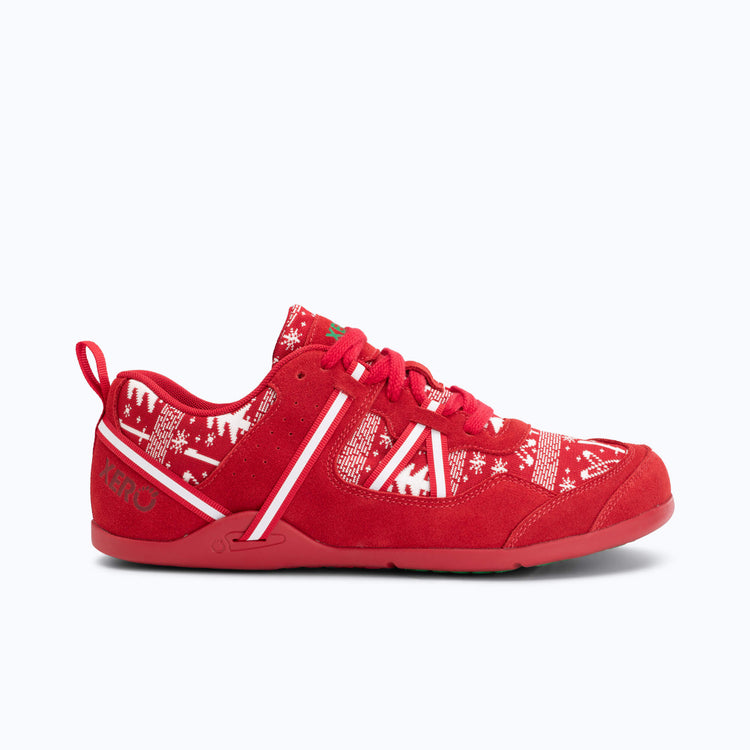
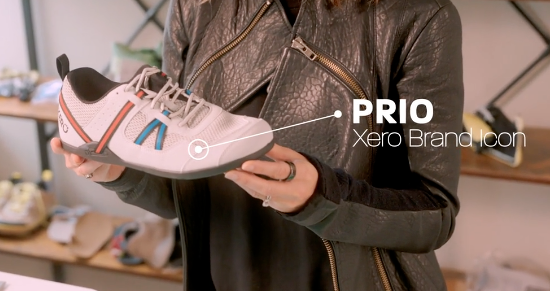
Every brand has one shoe that explains all the others. For Xero Shoes, it’s the Prio. Here’s where it came from, how it’s built, and why our design team still pulls one off the shelf every time they start a new shoe. What is Xero Shoes’ Prio? Xero Shoes Prio is our lightweight, do-everything barefoot sneaker with a wide toe box, a zero-drop sole, and a thin, flexible outsole. It launched in spring 2017 as Xero Shoes’ first performance shoe. It remains the brand’s bestselling shoe with more than 15,545 reviews. We’ve had customers wear the Prio for running marathons, workouts, CrossFit, casual wear, travel, hiking, and even Parkour. “So far incredible! I am about a month or so into owning the Prio, and have been using them as my main shoe. So far I have run (outside and treadmill), played basketball, simple hiking, parkour, gym/weight lifting, and many more activities. The versatility is exceptional.” “Love them! Wear them every day for factory work and marathon training!!” From Sandals to Prio Xero Shoes started with a DIY sandal kit: a slab of rubber, some cord and instructions. People wore those sandals for everything, including running. Then they started asking for barefoot shoes. After all, sandals in cold weather weren't practical. Or some gyms wouldn’t allow sandals. The Prio was the answer. It kept everything people loved about the sandals, like the thin sole, the ground feel and the freedom to move, and put it in a shoe you could wear in January. Look closely and you can still see the sandal in it (more on that in the X-Lock section below). “The Prio is the true ethos of our brand,” says our Design Director Kristina Funck. “We tap into it every season. It’s distinctive, it’s authentic, it’s minimal to the max.” The aesthetic has been refined with updated color palettes and the Prio franchise has grown to new styles designed with new materials (Prio Leather), more workout-specific uppers (Prio Neo), and even a hands-free option (Prio Coast). But one thing remains the same, the Prio’s fundamental design and its place as the shoe that people know when they think of Xero. “Love my Prios! This is my third pair of Prios. Super comfortable and versatile. I own several different pairs of Xero shoes, but Prios are my favorite.” Why Is It Called the Prio? Prio is derived from the term “proprioception”, our body’s sense of where it is and how it’s moving. It’s sometimes called your sixth sense, and it’s why you can walk down stairs without staring at your feet. Slip on the Prio and you’ll still feel the ground you’re standing on. “The Prio is our brand's original blueprint,” says Kristina. She emphasizes the key characteristics of a barefoot shoe should allow your foot to bend and flex naturally with an anatomical fit: wider to allow toes to spread, and narrower to fit securely around the heel and midfoot. “A good barefoot shoe should feel like you’re not wearing shoes. That’s why we say Xero Shoes get out of the way and let your feet do their job.” Xero’s Prio is a perfect visual to see the characteristics of barefoot shoes in action. Wide toe box: The toe box is wider than the rest of the shoe, allowing your toes to spread out. This allows them to act as extra stabilizers when standing and moving. Zero-drop: A design that’s flat from heel to toe. Lightweight and flexible: A shoe that can bend in half with a flexible sole and upper materials. Watch Xero Labs: Behind the Icon Learn more about the Prio in our new video series, Xero Labs, where we chat with Design Director Kristina Funck about how the product team uses the Prio as the icon to design any of our new shoes. Your browser doesn't support video playback. About Xero Labs Xero Labs is a behind-the-scenes video series from Xero Shoes. In under a minute, the people who design our shoes walk you through our most iconic styles: what makes them barefoot, why they’re built the way they are, and the details you’d never notice on your own. What Is the X-Lock System? See the straps that wrap around both sides of the Prio? That’s the X-Lock system, and it follows the same cording as our Genesis sandal. This cording follows one of the oldest footwear designs: huarache sandals. It’s a tensioning system that secures the heel and top of the foot in place. It feels like the sandals are one with your foot, and that’s the point. While the X-Lock is a feature in every Xero style, the Prio is the closed-toe shoe that shows it most visually. When you pull the laces to tie your Prio, it locks down the midfoot and heel to hold the shoe securely in place. We want our barefoot shoes to feel like they’re barely there. The Prio Collection: Which Prio is for You? Prio Prio Neo Prio Leather Prio Coast Upper Polyester mesh Knit Full-grain leather Nylon or polyester mesh (varies by colorway) Special features The original, do-a-little-of-everything design More breathable, abrasion-resistant and durable upper Premium full-grain leather for a refined look and more durability Stiff collar for hands-free step-in Best for Workouts and casual wear Workouts Casual wear Casual wear Price $100 $110 $120 $100 Discover why you’ll love the Prio. Shop now. FAQs Is the Prio really a do-everything shoe? Yes, if you’re looking for an affordable barefoot shoe, the Prio is a lightweight, versatile shoe with a foot-shaped design. The thin, low-to-the-ground sole gives a balance of ground feel and protection, while the wide toe box allows your toes to spread. This is the type of barefoot shoe that feels good on your feet all day, whether you’re working out, walking, or hanging around. “I’m thrilled with these shoes! They are amazingly versatile - whether I’m taking my dogs on a walk in the neighborhood or hiking rugged trails in the mountains, I can feel the texture of the ground while having just enough coverage on my feet not to get abrasions or get too hot or cold 3 seasons a year ;) Everything I expected from a multi-use Xero shoe, I couldn’t be happier!” “Love my Prio’s. 10/10 versatile minimalist barefoot inspired. they look sharp and feel natural around my foot. I love the Prio and use them for just about everything - hiking walking gym dog park errands.” Is the Prio a durable shoe? Yes, the Prio, like all Xero’s, is backed by our 5,000 mile sole warranty, which protects the sole. If the soles of your Xero Shoes wear down to less than 1mm thick, we’ll provide a 60% discount on a new pair of the same style at full retail price (MSRP). The Prio’s polyester upper holds strong over time. For more abrasion-resistance in your workouts, try the Prio Neo. For a more durable and refined option for casual wear, try the Prio Leather. “This is my third pair of the Prio shoes. They are durable and fit me well.” “I’ve owned about 5 pairs of these since they were first introduced. Here’s the deal on durability in my experience of daily use with periods of distance running interspersed. Every pair I’ve owned has been used daily for 3 seasons (Summer is for the Genesis sandle) and they always last 2 years. The caveat is that once exposed to rock salt, they will break down much quicker. Take rock salt out of the equation and you have a 2 year sneaker. The best sneaker ever. They keep your feet engaged as you traverse the terrain at any speed. As a bonus, for all you “performance” drivers out there, that wide toe box makes heel/toeing a dream.” Is the Prio a wide shoe? The Prio is built on Xero’s widest last (the foot-shaped mold of the shoe). The Prio has a wide toe box, but it isn’t a wide shoe. Its midfoot and heel taper in for a secure fit, so if your whole foot is wide, not just your forefoot, you may need a wide shoe, labeled E or EE. Xero currently does not offer wide shoe sizing. Should I size up in the Prio? With thousands of customers trying the Prio, most say that the Prio fits true to size. Keep in mind that sometimes sizing can vary between shoe brands. Check out Xero’s sizing guidance for the best advice on finding a pair that fits for you. Is the Prio good if I’m new to barefoot shoes? Yes, customers find the Prio a great first-pick for barefoot shoes because it’s affordable and represents the core DNA of barefoot shoes. You’ll experience a thin, flexible shoe that lets your foot move naturally. If you’re new to barefoot shoes, it’s best to ease into wearing them, especially if you plan to walk or run. Start by wearing your shoes for just 10 minutes at a time and add 5 minutes as you adjust. It’s common to feel a little sore in your feet and calves, especially if you’ve never worn zero-drop shoes. Learn more about transitioning to barefoot shoes. "They were my first barefoot shoes. And I own 6 pairs of Xeros now. I’m on my second pair of prios. I wore the first pair everywhere including days at Disney." “My first pair of barefoot shoes. Took me a couple of weeks to get really used to them. But have been doing the 10K steps/day since I got them and love them. Now I don’t know what to do with all my old shoes.” Can I wear the Prio without the insole? Yes, some customers like to get an even closer to barefoot feel. The removable insole adds 3.5mm, so Prio’s stack height without the insole is 7.5mm. For reference, our thinnest Genesis sandal is 5mm.
Barefoot Boots for Cold Weather: How to Choose the Right Pair
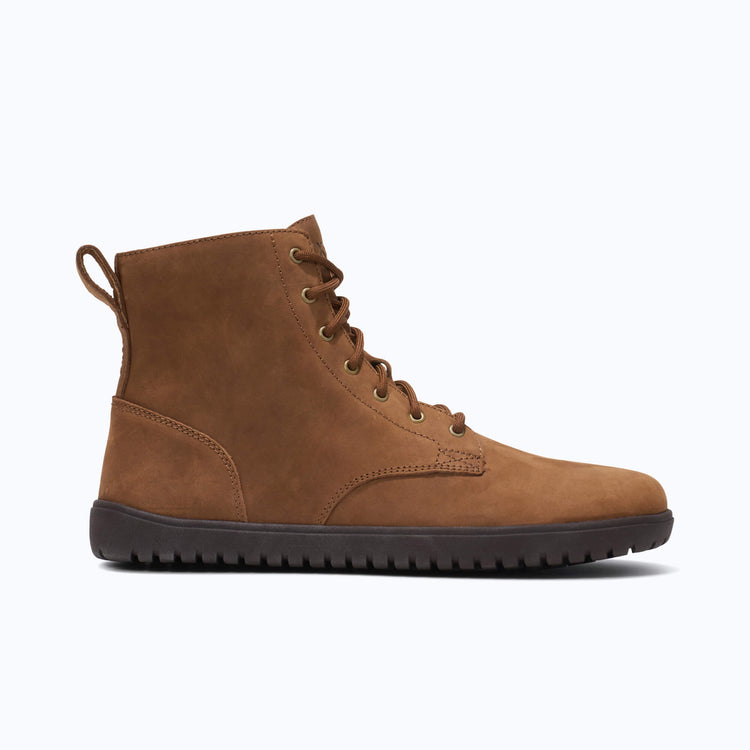
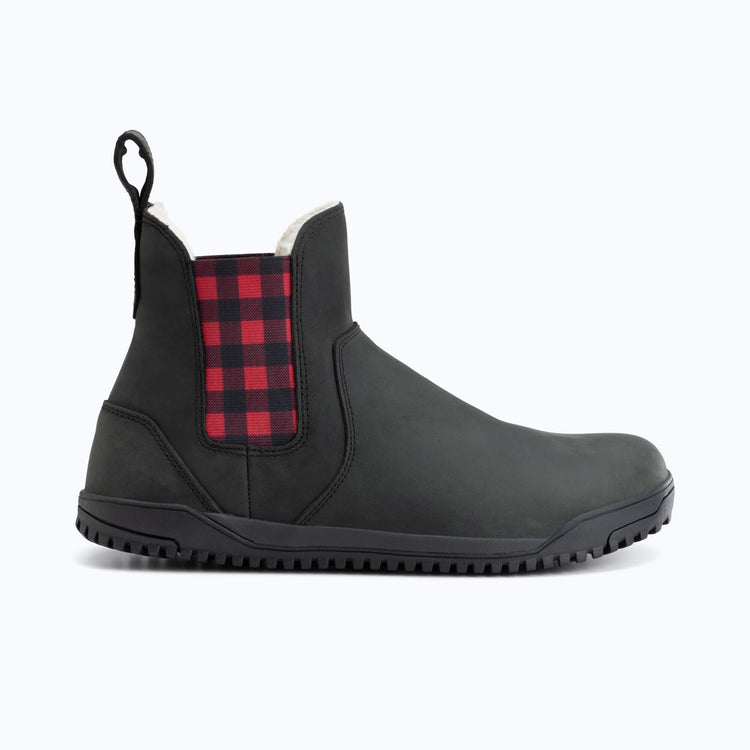
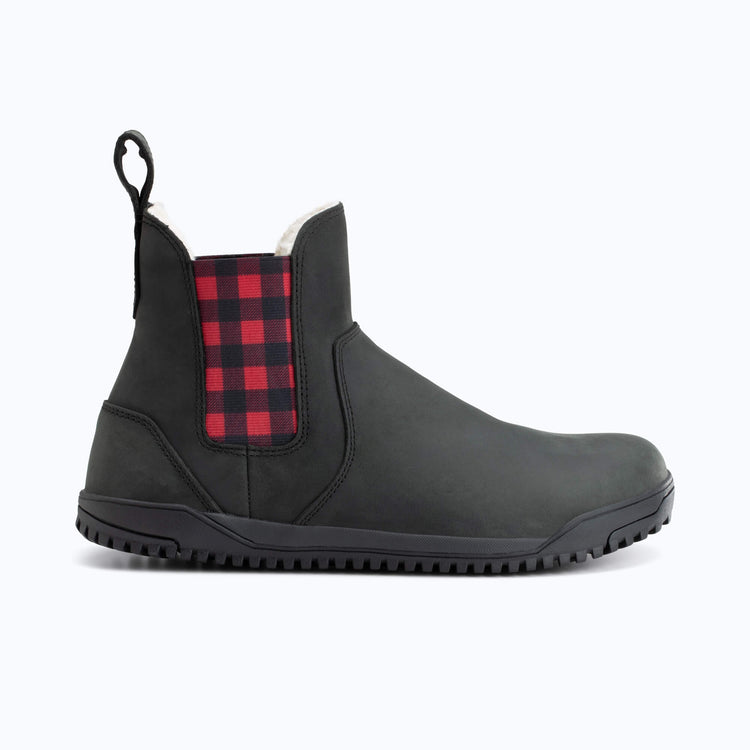
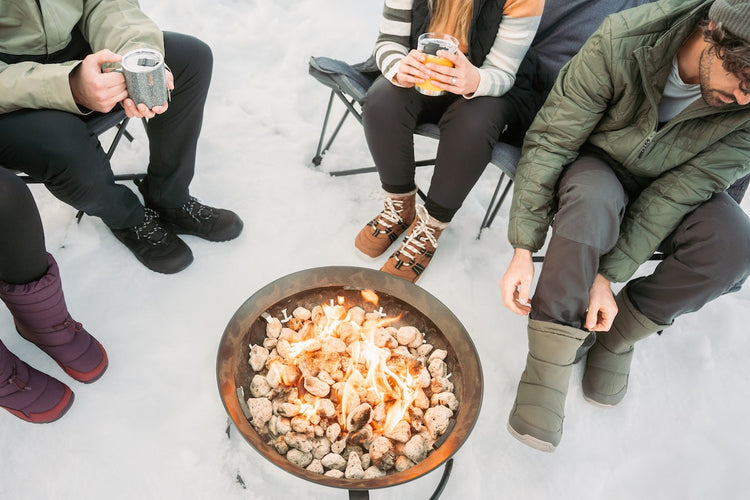
If you love the feeling of being barefoot and free in warm weather, you may be dreading the thought of wearing bulky, stiff winter boots. But going barefoot, or wearing lightweight barefoot shoes and sandals, isn't always realistic once the temperatures drop (at least not if you want to keep your toes happy). The good news: you don't have to choose between staying comfortable and letting your feet move. Barefoot boots give you a foot-shaped fit, a flexible sole and room for your toes to spread, plus the coverage you need for cold, wet and snowy days. Here's how to choose the right pair. Can You Wear Barefoot Shoes in Winter? Yes, but in cold, wet or snowy weather, barefoot boots are usually the better choice. They give your feet the same room to move as barefoot shoes, with more coverage from the elements. Traditional winter boots are bulky, stiff and heavy, designed to add as much materials, cushioning and protection from the elements. The downside is that your feet get stuck in these more rigid molds and don’t have the ability to bend and flex. While barefoot shoes give your feet the benefits of natural movement, they may not have the protection for colder weather. And shoes, unlike boots, hit below the ankle, so in areas with snow, it’s easy for ice or snow to permeate the inside of your shoes. That's where barefoot boots come in: a higher shaft, weather-ready materials and the same foot-shaped design. If you live in the Southern United States where winters are mild, temps rarely dip below freezing and you don’t get snow, leather or suede shoes may be all you need for the change in season. What Are Barefoot Boots? Barefoot and cold weather may seem contradictory. But there are barefoot boots out there, designed around the natural shape of your foot. They share three key features: A wide, foot-shaped toe box so your toes can spread out instead of being squeezed together. A thin, flexible sole that bends with your foot and lets you feel the ground beneath you. A zero-drop platform, meaning your heel and forefoot sit at the same height, flat from heel to toe, just like standing barefoot. One of the best features of barefoot winter boots is that they are often lighter than traditional winter boots because there is no arch support or added cushioning. Start With Where You’ll Wear Them Before picking a pair of barefoot boots, think about your climate, where you'll wear your boots most and what you'll be doing in them. Everyday Cold If you're mostly heading to and from the car, the office or the grocery store, heavy insulation usually isn't necessary. Style and versatility tend to matter more, so leather, faux leather or suede boots are good options Wet and Cold Days When you’re in the elements, waterproofing is key. Look for a pair of waterproof boots that have an internal membrane that will keep your feet dry and warm. Winter Hikes and Snowshoeing If you’re hitting the trails in winter, ensuring your feet stay warm for the entire hike is key. Look for boots with grippy traction. In deeper snow or for snowshoeing, pick boots with a lining for added warmth. You can learn more about how to pick hiking boots here. Leather, Suede or Performance: Which Material Is Right for You? The upper material is the most visible and exposed to the elements. It shows how your boots look, how they handle weather and how much care they need. Leather boots are a great choice when style is priority. Minimal leather boots look polished enough for the office or a night out, and a thin, flexible leather upper keeps them lightweight. The most premium type of leather is full-grain leather, which retains the highest strength and remains untouched. Xero’s leather boots including Ridgeway Chelsea, Denver II and Breckenridge features responsibly-sourced leather from Leather Working Group. Suede has a softer, more casual look and often feels flexible from the first wear. However, suede is more sensitive to water, salt and stains, so it's best for dry, cold days or with a protective spray. Performance materials like nylon and polyester are built for active days. For cold weather, skip open, breathable mesh, which lets in cold air and moisture, and look for tightly woven or coated synthetics instead, or mesh backed by a waterproof membrane. These materials tend to be lighter than leather or suede, dry faster and are easier to care for. If you're hiking in your boots, look for abrasion-resistant uppers or ripstop webbing, a weave reinforced with a grid of thicker threads that keeps small tears from spreading. These add durability where boots take the most wear and are made to handle scuffs from rocks and roots. How to care for your leather boots: Wipe dirt off with a damp cloth. Use mild soap and water sparingly. Wipe clean with a dry microfiber cloth (don’t soak). Stuff inside with paper towels (or paper bags). Let air dry. Apply leather conditioner with a microfiber cloth once dry. Conditioning helps restore natural oils and keeps leather supple and strong. How to care for suede boots: Let dirt dry completely first. Use a suede brush to lift dirt. Use a suede eraser for small stains. For tougher spots, lightly dab with white vinegar. Brush again after drying to restore texture. If you’re wearing boots for cold weather hiking, you’ll also want to look for abrasion resistant uppers, where materials are more durable to handle scuffs from rocks and roots. Lined vs. Insulated Boots: How to Stay Warm Without Bulk A lining adds comfort and some warmth, while insulation adds a dedicated layer that holds in heat. Which you need depends on how cold it gets and how long you'll be outside. Lined boots have a soft layer inside the upper, such as wool, fleece, calf skin leather or faux shearling. Xero uses faux shearling in the Ridgeway Chelsea Lined for added warmth, whereas the original Ridgeway Chelsea has a calf skin leather lining. Linings feel cozy, add a bit of warmth and make boots comfortable to wear with lighter socks. They're a good fit for cold commutes and everyday wear. Insulated boots add a layer of synthetic insulation to trap heat, and are often a good pick for snow. Xero's Alpine, for example, has 200g of insulation and an added polyester fleece lining, which you need on a snowy day. More insulation means more material between your foot and the ground. One of the benefits of barefoot boots is the flexible sole, even with added lining and insulation. For barefoot boots, the goal is enough warmth for your conditions without so much bulk that the boot stops bending with your foot. If you run cold or spend hours outside, go warmer. If you're mostly in and out of the car, a light lining may be plenty. Do You Need Waterproof Boots in Winter? Waterproof boots feature an internal membrane that acts as a barrier to prevent water from reaching the foot. When it comes to winter weather, a waterproof boot is a good pick for snow, cold and wet conditions, or for those who are prone to colder feet. Xero Shoes uses a patented XeroTex® waterproofing, featuring a seam-sealed inner bootie and waterproof membrane. For certain lace-up boots like Xero’s Scrambler Trail Mid and Ridgeway, the gusseted tongue is the waterline barrier. This attaches the tongue to the upper of the boot so water can’t sneak in. Keep in mind if snow or water hits above that point, water can seep into your boots. A waterproof membrane traps more heat and breathes less, so those who are prone to colder feet appreciate the added warmth. If your feet tend to stay warm or sweat easily, you may want to prioritize a more breathable non-waterproof option. You'll also see boots labeled water-resistant or water-repellent. These don't have a membrane. Instead, their materials or treatments help shed light rain and snow. They breathe better, but they won't keep your feet dry in a deep puddle or wet snow. Does Sole Thickness Change How Cold Your Feet Feel? A thinner sole means less material between your foot and the ground, but that doesn’t necessarily mean your feet will be cold. If you wear a boot with quality upper materials and a warm lining, a thinner sole isn’t a dealbreaker. Most of Xero’s boots have a slightly taller stack height than our shoes, but are still much more minimal than traditional boots. For example, an average stack height can be anywhere from 30-45mm, whereas Xero’s boots cap out around 14mm (Ridgeway). Warmer insoles: Wool and sheepskin insoles add warmth. Heat-reflective insoles: These use a reflective layer that bounces radiant heat back toward your foot while adding a barrier against cold ground. The Alpine comes with one, and Xero also offers heat-reflective replacement insoles. Protective midsole layers: Xero's hiking boots like Scrambler Trail Mid and Ridgeway include a TrailFoam™ layer that adds protection from rocks and roots and still keeps the sole flexible. Warm socks: Wool socks add warmth and help manage moisture. Because barefoot boots have a roomy toe box, you can wear thicker socks without squeezing your toes. And keep moving. You'll feel warmer walking than standing in place, whatever boots you're wearing. What Kind of Traction Do You Need for Snow and Ice? For snow, look for deep, widely spaced lugs that grip packed snow and shed it as you walk. For ice, pair your boots with a traction device like microspikes, since a rubber outsole alone can only do so much. What to look for in an outsole: Lug depth and spacing: Deeper lugs grip snow and mud, and wider spacing helps keep them from clogging. Tread that matches your terrain: Low-profile soles work well on cleared sidewalks. Trails and packed snow call for more aggressive tread, like the Michelin® outsole on the Scrambler Mid II WP. If you've ever tried to walk on ice, you know it's a challenge in any footwear. Microspikes or slip-on traction cleats have small metal spikes that dig into the ice. They slip over your boots when you need them and come off when you don't. A bonus with barefoot boots: the thin, flexible sole lets you feel the surface underfoot as it changes. How Should Winter Boots Fit? Barefoot boots should feel secure through the heel and midfoot, with enough room for your toes to spread and wiggle. Your foot shouldn't slide around, and you shouldn't feel rubbing, pressure points or hot spots. Sizing is personal, so the best guide is how your feet feel: comfortable, secure and able to move naturally. Toe Room: If you’ve ever shopped for footwear in-person, you may have been told to use your thumb to measure extra length in the toes. That added space is necessary for traditional footwear with narrow toe boxes because you’re adding room to keep your toes from getting squeezed. With Xero Shoes’ foot-shaped toe box, you may not need as much extra space in front Socks: Some people wear thicker socks in cold weather, so consider sizing up half a size if that’s the case. Lacing: Rubbing or pressure points can mean your boots are too tight in spots. For lace-up boots, loosen the laces, then retighten from the bottom up, adjusting each section as you go. Xero's boots also have an internal huarache-inspired lockdown that helps secure the heel and midfoot. If you’re unsure your US vs EU vs UK size, you can reference Xero’s sizing guidance. How to Make Barefoot Boots Warmer Anya Jensen, the barefoot shoe queen, of Anya’s Reviews recommends a few ways to make your barefoot shoes and boots feel warmer in winter. Apply waterproofing spray, wax or oil to shoes for more protection. Swap the shoe’s standard insoles with a warmer option designed with felted wool, sheepskin or faux fur. She also recommends wearing thicker socks, and sizing up half a size for boots you’ll wear in the colder months. Read her full tips about winterproofing barefoot shoes. Why barefoot boots can actually be warmer When you wear barefoot boots, your feet are able to bend and flex naturally. This movement helps keep blood flow moving to the feet. Think about when your hands are cold. What do you do? You shake them or swing your arms to increase circulation. With every step your foot can move through a wider range of movement, keeping the stabilizer muscles more activated. The wider toe box also gives your toes ample room for a little wiggle if they start to feel cold. You’re often able to wear thicker socks with that extra room too. Which Winter Boot Fits Your Routine? Your winter routine What matters most What to look for Boots to try Cold days: commutes, errands and quick trips to the car Style and easy on/off Leather or suede upper; insulation optional Ridgeway Chelsea, Breckenridge, Denver II Wet days: rain, slush and puddle-filled commutes Staying dry Waterproof upper with an internal membrane Ridgeway for a polished look; Scrambler Trail Mid WP for outdoor work Snowy trails: cold hikes and light snow Traction and dry feet Waterproof construction and a lugged outsole Scrambler Mid II WP, Deep snow: snowshoeing and long days out Warmth and a secure fit Warm lining and full lacing Alpine Winter Boot FAQs Are barefoot boots warm enough for cold weather? Yes, for most cold-weather routines. How warm they feel depends on the lining or insulation, your socks and how active you are. For colder days in snow, choose an insulated boot like the Alpine and pair it with wool socks. Are waterproof boots warmer than non-waterproof boots? Waterproof boots feature a waterproof membrane designed to keep water out. That means it traps more heat and breathes less, so they will feel warmer than non-waterproof boots. What’s the difference between waterproof and water-resistant boots? A waterproof membrane keeps your feet driest with full protection from water. A water-resistant upper will repel light rain or wetness and breath better but not protect if your foot is submerged in water or snow. Should I size up in winter boots for thicker socks? If you regularly wear thicker socks, sizing up half to a full size will give your feet and toes more room. Xero’s boots are foot-shaped and designed with men’s and women’s specific lasts (the mold of the foot), so the heel and midfoot should feel secure. Your foot should not slide around the boot when you size up. Won't my feet be cold with such a thin sole? A thin sole puts less material between you and the ground, but you can add warmth without losing flexibility. Try a wool, sheepskin or heat-reflective insole, wear warm socks and keep moving. How do heat-reflective insoles work? The heat-reflective insole can be found in Xero’s Alpine boots. This removable insole features a reflective layer that bounces radiant heat back toward your foot and adds a barrier from cold ground. How cold can you actually wear them? Xero’s boots don’t have specific temperature ratings. A good rule of thumb: if your feet and toes start to feel cold or numb, it’s too cold. Are barefoot boots slippery on ice? Ice is slippery in any footwear. Lugged outsoles help on packed snow, but for icy sidewalks and trails, add microspikes or slip-on traction cleats over your boots. How do you keep leather boots looking clean? Wipe off any dirt with a damp cloth, using soap and water sparingly. Apply a leather conditioner with a microfiber towel and let air dry.
Best Travel Shoes: How to Pick, Pack and Walk Light on Any Trip
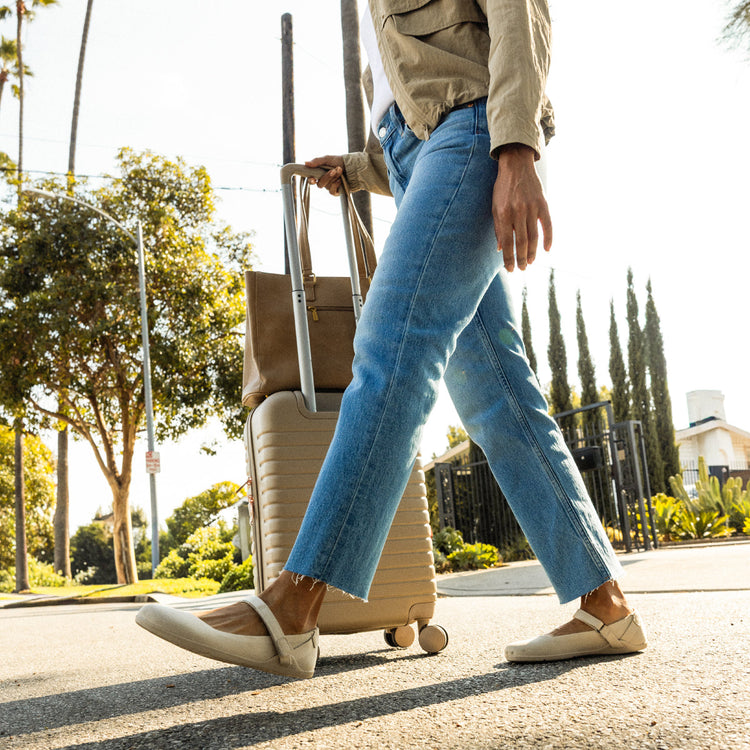
Shoes are usually one of the heaviest, bulkiest things in a suitcase. A lot of travelers pack one pair per activity "just in case," take up the precious space and weight, only to wear one pair the entire trip. There's a lighter way to do it. Shoes with thin, flexible soles and soft uppers can fold or roll into the corners of a carry-on, and a versatile one or two pairs can cover a hike, sightseeing and dinner out. You cheat sheet for travel shoes: pack one versatile, lightweight pair you've already walked in and know feels comfortable, plus a second pair only if the weather or a specific activity demands it. Choose by climate, then by activity, then by weight, packability and fit. In this guide, learn how to choose travel shoes by climate and activity, our picks by trip type, how digital nomad traveler Nora Dunn packs light, and how to fit shoes into a carry-on. How to Choose Travel Shoes Start by checking the weather where you're going so you know the climate and temperatures, then consider what you'll actually be doing there. Pack a few versatile pairs that cover both, rather than a shoe for every activity. What shoes should I pack for the climate? Match the upper (the part of the shoe above the sole) to the weather, because that's what keeps feet cool, dry or warm. Destination Look for Keep in mind Warm and mostly dry Sneakers with breathable mesh uppers and moisture-wicking ; sandals for water activities. Mesh dries fast but lets in sand and dust. Rainy and wet Waterproof shoes or boots with a waterproof membrane keeps your feet driest. A water-resistant upper will repel light rain or wetness and breath better but not protect if the shoe is submerged. Waterproof shoes take longer to dry and are less breathable, so your feet may get hot. Cold weather Leather, waterproof materials, or linings like fleece or synthetic wool will keep feet warmest. Opt for boots or at the very least, leather shoes. Snowy or icy conditions will require warmer linings and you’ll want grippier tread. What activities are you packing for? Going on a sightseeing trip in the city or a nature-focused outdoor adventure? A trip with one big hike needs trail-ready tread for that day; a city trip with 20,000-step days needs a shoe you already love walking in. If your plans are a mix and you’ll be going from trail to town, look for a shoe or boot that handles both: grippy enough for the trails but looks good to wear to dinner. Criteria for the most packable shoes: Weight and packability. Check the shoe’s weight and see how small the pair can get. Can you put the soles together and they pack down like a slim package? Shoes with thinner, more flexible soles fold and roll into less space. Shoes with less cushioning are lighter. A roomy toe box and secure heel. Your toes should have room to spread out while the rest of your foot, like your heel and midfoot, shouldn’t slip. A foot-shaped shoe will feel more comfortable all day long. Flexibility and ground feel. A flexible sole lets your foot bend and move as it would barefoot. Traveling is a chance to feel free, and what better way than to feel the ground beneath you? Barefoot shoes have a balance of ground feel and protection. Familiarity. Bring a pair you've already walked in for hours. A trip is a bad time to break in new shoes. The Best Xero Shoes for Travel, by Trip Type For most trips, one everyday shoe covers sightseeing, transit and dinner; add a second pair only for hiking, beach time or winter weather. Trip type Our pick Why it packs well City trips and everyday sightseeing Prio Coast Flexible, low-profile, works with shorts or jeans. Plus the step-in option makes it great for getting out the door quick. Hiking trips to warmer climates Mesa Summit Grippy trail runner that’s protective for varying terrain Adventure travel, trail to town Ridgeway Waterproof and grippy tread, but looks good off the trails Beach, lake and hot-weather hiking Z-Trail EV The ultimate sport sandal, weighing in at about 5.4 oz each Snowy or cold destinations Alpine Pull On A packable winter that you can wear for snowy walk or looks just as good for apres ski Hotel, cabin or campsite Pagosa collection This is a cozy slipper that you can wear inside and out, with a rubber sole that holds up outside. Everyday travel shoe: Prio If you pack one pair, make it this kind of shoe. The Prio is versatile: you can wear it for your morning workout or run, wear to a museum or day of sightseeing, and for a casual dinner. It’s flexible enough to roll into a bag, and tough enough that career traveler Nora Dunn, has worn hers up a mountain (more from her below). How to Pack Light: Tips from a Digital Nomad Nora Dunn, known online as The Professional Hobo, traveled full-time for 12 years, two of them with nothing but carry-on luggage. Her one rule comes down to one word: packable. For every bulky item on your list, ask whether there's a lighter, smaller version that does the same job. Why shoes come first Shoes are usually the bulkiest, heaviest thing in a bag, so they're where packable pays off most. Nora's go-to is a barefoot-inspired trail runner like the Mesa Trail II. "I love trail runners... they completely revolutionized how I hike but then also how I travel. They can take you on those outdoor adventures. But they can also be light and rolled up so they pack easily. You can wear them around town. They can double as a casual shoe." Her other favorite is the Prio: "You probably shouldn't take it up a mountain, but I literally have worn them going up a mountain." Nora expected thinner soles to leave her feet tired after long days around town. "Quite the opposite has been true for me," she says. If you're new to barefoot-inspired shoes, give yourself a few weeks of everyday wear before the trip so your feet aren't adjusting on the road. The rest of Nora's packable kit Together, these take up about as much room as a rolled-up pair of jeans: Packable backpack. Squashes down smaller than a loaf of bread for day trips and grocery runs. Collapsible water bottle. Rolls up as you drink, so it takes less space by the end of the day. Packable down jacket. Packs to about the size of a grapefruit. Packable rain jacket. Layers over the down jacket on cold, wet days. Nora's three packing rules Pack for multiple uses. Every item should do at least two jobs. Her Prios work on trails and in restaurants; her two jackets work as a layering system. "Just in case" has no place. If you're packing it just in case, leave it. You can usually buy it there, or you'll find you didn't need it. Go lighter than you think. Review your list with a critical eye. Less to carry means more energy for the trip itself. About Nora Dunn: Nora has been a career traveler since 2006 and one of the original digital nomads. She now keeps a home base in Canada and still travels for months at a stretch, almost always carry-on only. You can follow Nora on YouTube and Instagram. How to Pack Shoes in a Suitcase or Carry-On Wear the bulkiest pair. Boots or the heaviest shoes are the ones to go on your feet for travel days. Fold or roll flexible shoes. Shoes with soft uppers and flexible soles, like barefoot shoes, can fold in half or roll up; tuck them along the edges of your bag. Fill the empty space. Stuff socks, chargers or underwear inside each shoe. Bag them. A shoe bag keeps trail dirt and street grime off your clothes. Pack wet shoes on their own. Keep a spare bag for damp sandals or muddy boots, and stuff them with newspaper overnight to help them dry. Travel Shoes FAQ What are the best shoes for traveling? The best travel shoes are lightweight, flexible enough to pack small, comfortable for hours of walking, and plain enough to wear to dinner. Barefoot shoes are a great option, because they are lighter weight by design. Choose by climate and activity, and bring a pair you've already broken in. Read more about the Xero Shoes our PR Director, Alexa, packed for her Italy trip. Are barefoot shoes good for travel? Many travelers like barefoot shoes for trips because thin, flexible soles weigh less and fold or roll into small spaces. If you haven't worn them before, start a few weeks ahead so you're used to them before a big walking trip. Learn more about transitioning to barefoot shoes. How many pairs of shoes should I bring on a trip? For most trips, two pairs is plenty: one versatile everyday shoe you wear, and one specialty pair you pack only if the weather or an activity calls for it. Your everyday pair should handle sightseeing, travel days, transit, and eating out. Neutral colors and a slim, low profile go with more outfits. A second pair should do a specific job: hiking, workouts, beach days, snow, or a dressier event. Test before you go. Walk a few miles in the exact shoes and socks you're bringing. If minimalist footwear is new to you, a high-mileage sightseeing trip shouldn't be its first full-time test. Can one pair of shoes work for both hiking and the city? Yes, if it's a trail runner or a rugged everyday shoe with grippy tread and a simple look. Xero Shoes’ Ridgeway is a great option to pack for adventure travel with hiking and time in town. Save dedicated hiking boots for trips where rough or wet trails are the main event. How do I break in new shoes before a trip? Wear them for everyday errands first, then work up to longer walks over a few weeks. Test them with the socks you plan to pack. How do I keep shoes fresh while traveling? Let shoes air out overnight, swap between pairs when you can, and stuff damp shoes with newspaper or a towel. Many sandals and mesh shoes dry quickly after a rinse.
How to Shop for Barefoot Shoes: A Buying Guide for You or as a Gift
You’re ready to make the dive into barefoot shoes but don’t know where to start. You’re in the right place. When shopping for barefoot shoes, look for four things: a foot-shaped toe box, a zero-drop sole, minimal cushioning and a sole that flexes. Then pick a style built for how you’ll wear it. Shopping for someone else? The gift section below covers what to ask. Shoes are harder to buy than most clothes. Instead of small, medium and large, you’re choosing from as many as 16 sizes (at Xero Shoes at least), plus width, fit and how the shoes will be worn. If you’ve never tried barefoot shoes, that can add a few more variables. A few questions about foot shape and how the shoes will be worn make a big difference. And with more than 60 Xero Shoes styles to choose from, there’s a fit for almost every foot and activity. So whether you’re buying your own first pair, shopping for the family member who can’t stop talking about theirs, or you’ve worn barefoot shoes for years and want everyone you know in a pair, here’s what to look for. What Makes a Shoe a True Barefoot Shoe? True barefoot shoes are designed to let your feet move and feel close to the way they do when you’re barefoot. Make sure the shoes you’re shopping for check all these boxes: Foot-shaped: a wide toe box so your toes can spread, with a fitted heel and midfoot. Zero drop: flat from heel to toe, with no built-in arch support. Minimal cushioning: a thin sole that lets you feel the ground. Flexible: a sole that bends as you move. Most fold in half easily. How Much Ground Feel Do You Want? Next, think about experience. If you already wear barefoot shoes, you probably know what you like and may want a sole that’s as close to barefoot as possible. New to barefoot shoes? A slightly thicker sole can make it easier to transition to barefoot shoes. Barefoot shoes all have minimal cushioning, but sole thickness (sometimes called stack height) varies. Some are just a thin layer of rubber. Others, especially hiking styles, add a little more underfoot to balance ground feel and protection. Check for removable insoles, too, since they can change the space and feel inside the shoe. Most of Xero Shoes’ removable insoles are 3.5mm. A few of Xero Shoes’ thicker-soled styles include the Alpine collection, Ridgeway collection, Pacer Lite, and Wynn. And the most minimal include our Genesis sandal and Speed Force II Sneaker. What Size Barefoot Shoes Should You Get? It seems simple to start with your existing shoe size. But sizing differs between brands, and many people aren’t wearing the right size to begin with. A 2018 review of 18 studies in the Journal of Foot and Ankle Research found that 63 to 72% of people wore shoes that didn’t match the width or length of their feet. The most reliable approach is to measure your feet and compare them to the size chart for the specific model you want. Many people size up in running or workout shoes to get more toe room, which can leave the heel loose. Others size up because their feet are wide, which adds length they don’t need. Either way, a shoe that’s too big can rub. A barefoot shoe’s wide toe box feels comfortable when your toes can spread out, and often removes the reason to size up at all. How Should Barefoot Shoes Fit? Your shoes shouldn’t feel uncomfortable during or after activity. The best pair is the one you forget you’re wearing. In a barefoot shoe, your toes should have room to spread while your heel and midfoot feel securely held in place. Xero Shoes are foot-shaped from heel to toe, with a roomy toe box and a snugger midfoot and heel. Men’s and women’s styles are built on different shapes: women’s sizes are slightly lower volume, with a narrower heel and midfoot. Consider foot shape, too. A wide toe box isn’t the same as a wide shoe. If your whole foot is wide, look for a wide-fit model. Xero Shoes’ widest styles are the Prio and Dillon. With less cushioning and more toe room, barefoot shoes can feel roomier than you expect, so some people size down. Don’t assume either way. Check the sizing guidance for that model. How to Choose Barefoot Shoes for Your Activity Everyday wear and performance require different features, so start with how the shoes will be worn. When wearing running, training and hiking footwear, feet likely get sweaty, so look for a breathable upper and a moisture-wicking lining. Mesh and nylon feel cooler than suede and leather. Then check the outsole, the bottom of the shoe that touches the ground. For side-to-side movement like plyometrics or pickleball, look for grippy tread and lateral support. For hiking, look for deeper lugs, the raised treads that grip uneven terrain. Finally, think about the weather. For cold or wet trails, waterproof hiking boots or shoes are usually the better pick. Weather is also a consideration for everyday shoes, too. Someone in Florida won’t get much use out of leather boots in any season, but sandals will always be worn. In colder months, leather boots and shoes are a natural pick. Many of Xero Shoes leather styles are water-resistant or waterproof. Want more detail for a specific activity? Start here: Picking hiking boots vs hiking shoes What to look for in barefoot walking shoes Choosing barefoot weightlifting shoes Barefoot shoes for pickleball and court training The best barefoot shoes for wide feet Tips for Buying Barefoot Shoes as a Gift Gifting barefoot shoes means answering the questions above for someone else. Ask whether they’ve tried barefoot shoes before or have only mentioned being curious, what size they wear in their favorite pair, and what they’d wear the shoes for. Will they actually wear them? Some answers you can find without asking. Peek in their closet: the colors they already wear are a good guide to what they’ll reach for. Then look at the shoes they wear most, and either fill a gap or add to a favorite. Do they live in sneakers? Love an easy slip-on? Need a pair of boots? A pair that fits their wardrobe is a pair that gets worn. Before You Buy: Try On, Returns and the Shoe Finder Try barefoot shoes on in person If barefoot shoes are new to you, trying a pair on in person is a smart first step. Find a Xero Shoes retailer near you, including most REI stores, which carry at least a few models. In Denver? Our store is the only place to try on every style we make. Check the return and exchange policy Sometimes the first pair isn’t the one. Check the return and exchange policy before you buy, especially around holidays and sales, when shipping deadlines, fees and sale exclusions can apply. Xero Shoes returns are hassle-free. Take the shoe finder quiz Once you know the size, how much ground feel you want and the activity, the Xero Shoes shoe finder quiz turns those answers into a few tailored picks. Prefer to talk to a person? Call our Customer Happiness team at 1-800-499-8880. They know every shoe we make and can help you find a good pick. Whether the pair is for you or someone else, a few questions up front make it much easier to land a keeper. When you’re gifting, it’s worth giving up a little surprise to get the right pair. Barefoot Shoe Buying FAQs What should I look for in barefoot shoes? Look for a foot-shaped toe box, a zero-drop sole that’s flat from heel to toe, minimal cushioning and a flexible sole. Then choose a sole thickness and style that match your experience and how you’ll wear the shoes. Should I size up or down in barefoot shoes? Neither by default. Measure your feet and check the sizing guidance for the specific model. The wide toe box often means you don’t need to size up for toe room, and some people find they can size down. What are the best barefoot shoes for beginners? Start with a do-it-all style with a slightly thicker sole, which makes the adjustment easier. Then build up time in them gradually. Can I buy barefoot shoes as a gift without knowing their size? It’s worth asking, or checking the size of a pair they wear often. If you want to keep it a surprise, an e-gift card lets them choose the style and size themselves.

Expert-Recommended Train to Court Workout: 3 Phases for Better Court Movement
In our Train to Court guide, we break down why pickleball, tennis, racquetball, padel, and other court sports demand quick stops, lateral movement, pivots, resets, and ground connection — and what to look for in barefoot court footwear. Xero Shoes 360 Rally was designed specifically to keep up with the demands on the court, making it a great pick to lace up for your workouts. Or you can try one of Xero Shoes' other training shoes. This workout is the practical next step after learning why court sports start at your feet. Start here if you haven't read it: Train from the Ground Up: Why Court Sports Start with Your Feet After learning more about the benefits of barefoot shoes for court sports, pro pickleball trainer and Xero Shoes partner Connor Derrickson shares his three-phase workout designed to help you build awareness, control, and confidence from the ground up. 3 Phase Train to Court Workout Connor’s recommended exercises start with the foundation of every court sport: your feet. Before you focus on speed, power, or quick direction changes, you need to reconnect with how your feet interact with the ground. These movements are designed to help you build awareness, control, and confidence from the ground up — then carry that into more explosive, court-specific training. Move through each phase gradually. Start slow, pay attention to how your body responds, and add intensity only when the movements feel controlled. Want to take the workout with you on the go? Download the free PDF Watch the videos for a step-by-step guide. Subscribe to the YouTube Playlist Connor’s Train to Court workout is broken into three phases: Regain foot awareness and mobilitySimple balance and mobility drills to reconnect with the ground. Build court-ready control and powerStrength-based movements that mimic side-to-side court demands. Improve speed and court reactionFaster drills that help you practice quick transitions, acceleration, and deceleration. Phase 1: Regaining Foot Sensation and Pliability Conventional shoes can limit how much feedback your feet receive from the ground. So before hitting the court, start by waking up your feet with simple movements that challenge balance, mobility, and control. Exercise 1: Single-Leg Balance Why it matters: Single-leg balance teaches you how to use the tripod of your foot - your big toe, pinky toe, and heel - to create a steady base. It also helps connect what is happening at your foot with your hips and core. Reps: 2 rounds of 20 seconds per side. How to do it: Stand tall with no weight. Keep one foot grounded and the other foot lifted slightly off the floor. Feel three points of contact: big toe, pinky toe, and heel. Soften your knee slightly and lift the opposite foot. Use your hips to help steady your body. Hold the balance with control before switching sides. Progressions: Progression 1: Hold for 20 seconds per side. Progression 2: Close your eyes for 20-30 seconds to increase the balance challenge. Progression 3: Hinge your hips back, then return to center, similar to a single-leg Romanian deadlift pattern. Progression 4: Hold a kettlebell and alternate it from hand to hand to change your weight distribution. Exercise 2: Walking Lunges Why it matters: Walking lunges help you get comfortable moving through a deeper range of motion, especially at the ankle and big toe. A flexible shoe allows the foot to bend and move more naturally through each step. Reps: 2-3 sets of 6-10 lunges per side. How to do it: Start standing with enough space to walk forward. Step forward into a lunge position. Keep your front knee bent around 90 degrees and your back knee bent around 90 degrees. Let the back big toe stretch as you lower into the lunge. Keep the front foot grounded and avoid letting the heel pop up. Push through the front foot and step into the next lunge. Progressions: Progression 1: Bodyweight walking lunges. Progression 2: Hold one weight in the goblet position. Progression 3: Hold weights at your sides. Phase 2: Build Power and Foot Strength Once your foot awareness improves, you can start adding more strength-based movements that mimic the demands of court sports. This phase focuses on single-leg control, lateral movement, core rotation, and the ability to push into the ground with intention. You can practice these movements in and out of the 360 Rally, then begin adding short scrimmage sessions as your body adapts. Exercise #1 – Kettlebell Lateral Lunges Why it matters: Court sports demand side-to-side movement. Kettlebell lateral lunges help you practice loading one leg, pushing the ground away, and moving through the lateral plane. Reps: 2-3 sets of 6-8 reps per side. How to do it: Stand tall with your feet under your hips. If your right leg is working and you are using weight, hold the kettlebell in your left hand. Step out to the side with the working leg. Load the working leg while keeping your hip, knee, and toe stacked in the same line. Push the ground away to return to center. Repeat on one side, then switch. Progressions: Progression 1: Bodyweight lateral lunge. Progression 2: Add a kettlebell in the opposite hand from the working leg. Progression 3: Increase load only when you can keep the movement controlled. Exercise #2: Mini Lateral Bounds Why it matters: Mini lateral bounds train side-to-side movement and help you practice absorbing force through your hips. This translates well to quick lateral reactions during real points. Reps: 2-3 rounds of 3-5 bounds per side. How to do it: Start in an athletic stance with a soft knee bend and your hips slightly back. Keep a light medicine ball nearby for later progressions. Jump laterally to the opposite side. Land softly and absorb the force through your hips. Pause and regain control before jumping back. Move side to side for a few controlled reps. Progressions: Progression 1: Pause after each landing and reset your balance. Progression 2: Move continuously, limiting time on the ground. Progression 3: Hold a light medicine ball, around 4-8 pounds, and let it move naturally with you. Phase 3: Improve Speed and Court Reaction Footwork is where training starts to look more like the game. Once you’ve built a foundation of awareness, control, and strength, this phase helps you practice explosive lateral movement, quick transitions, and controlled acceleration and deceleration. These drills are designed to help you feel lighter on your feet and more connected to the court. Exercise #1: Single-Leg Hurdle Progression Why it matters: This drill helps you practice single-leg hopping, landing, and quick ground contact in multiple directions. It is a useful bridge between controlled training and faster court movement. Reps: 2-3 rounds per leg, moving through all hurdles with control. How to do it: Set up three low hurdles or similar markers (shoes can work great to start). Stand on one leg in front of the first hurdle. Hop over the hurdle and land on the same leg. Absorb the landing with a firm, controlled foot. Use your glutes and hips to stay steady. Continue through the hurdles, then switch legs. Progressions: Progression 1: Single hop over each hurdle with a reset between reps. Progression 2: Add a small mini hop between each hurdle. Progression 3: Move continuously and limit time on the ground after each landing. Exercise #2: Pogo Shuffles Why it matters: Pogo shuffles teach you to stay light and reactive on the balls of your feet. The goal is to move laterally without feeling heavy, stuck, or disconnected from the ground. Reps: 3-5 rounds of 10-20 seconds, resting between rounds. How to do it: Start in an athletic stance with feet under hips and knees soft. Hop lightly on the balls of your feet three times. Shuffle three quick steps to one side. Return to center with control. Repeat the pogo hops, then shuffle to the other side. Continue alternating sides. Progressions: Progression 1: Slow pogo hops plus controlled shuffle. Progression 2: Increase shuffle speed while staying light. Progression 3: Add a reaction cue, such as a partner pointing left or right. About the Expert: Connor Derrickson is a trainer to top pickleball pros like Anna Bright and Hayden Patriquin as well as amateurs, helping players train better footwork, court movement, and body control. As a Xero Shoes partner, Connor has extensively tested the 360 Rally and worked together to develop the workout plan. Connect with Connor: Instagram | YouTube | LinkedIn The content of this post is for educational and informational purposes only and does not constitute and is not intended to be a substitute for professional medical advice, diagnosis or treatment. Always seek the advice of a physician or other qualified health provider with any questions or concerns you may have about your health or a medical condition.
Easy Ways to Improve Your Fitness in 2026
We asked fitness experts for achievable tips to elevate your fitness game this year. We're not talking about extreme makeovers; we're talking about small, sustainable changes that can make a big difference. Keep reading for expert tips on walking, running, workouts, and more. Your Fitness Experts Muscle by Maria Karl of LIV Better Fitness Kristina of Fit & Bendy Born To Run Coach, Eric Orton Muscle by Maria "Walking is a simple, yet effective way of improving your overall health. Studies have found that aiming for a daily step count of 7,000 to 10,000 steps can contribute significantly to: Cardiovascular fitness Weight management Mental well-being Cognitive function Prevention of chronic diseases. Additionally, regular walking increases daily NEAT (Non-Exercise Activity Thermogenesis), which plays a significant role in your overall calorie burning and metabolic health." Follow Muscle by Maria for more fitness tips. www.musclebymaria.com Instagram: @musclebymaria Karl of LIV Better Fitness "Are you feeling the effects of aging, such as aches and pains you didn’t have before? As a busy parent, age seems to catch up to you in a hurry. You need to address these things now, rather than later. Everyone focuses on strength training and cardio, but few prioritize mobility and flexibility. All that you need to do is dedicate 10-15 minutes each day to basic stretching and mobility exercises, focusing on quality movement and range of motion. Target your weaknesses, rather than avoid them. Incorporate these into your warmups and cool-downs to save time. Trust me, your ankles, knees, hips, and shoulders will thank you." Follow Karl of LIV Better Fitness for more fitness tips. www.livfitkarl.com Instagram: @LiveFitKarl Kristina of Fit & Bendy "A little bit of exercise is vastly better than no exercise at all. Not every workout has to be a 10 mile uphill sprint! If you are feeling tired, busy, or injured, just do what is available to you even for just a few minutes here and there. Doing clamshells while watching a movie is still exercise, and it’s still worth doing." Follow Kristina Cañizares of Fit & Bendy for more fitness tips. www.fitandbendy.com Youtube: @FitandBendy Born To Run Coach, Eric Orton "How To Start Running Successfully: The biggest mistake beginning runners make is running too hard and doing it for an outcome like weight loss or fitness. So try these steps for success:When first starting, only run at a FUN, enjoyable effort. Include walk breaks to keep the effort easy. Run for as long as it is fun, and then stop and walk. Run less, but more often. Keep it fun, and the fitness will follow." Follow the Born to Run Coach, Eric Orton, for more fitness tips. www.ericorton.com Youtube: @BornToRunCoach Instagram: @borntoruncoach

Why We Made the 360 Rally
Meet the Xero 360 Rally — a lightweight, minimal training shoe built for athletes who move fast, cut hard, and demand control from the ground up. The 360 Rally is designed around the principles of natural movement, delivering unmatched ground feel, stability, and agility so your body can move the way it’s meant to. From strength sessions in the gym to fast-paced rallies on the pickleball court, this shoe keeps you connected, balanced, and ready to react. With a low-to-the-ground feel and flexible design, the 360 Rally supports quick pivots, precise footwork, and explosive movement without sacrificing comfort. It’s grounded enough for strength training, yet agile enough for dynamic, multi-directional play. Natural movement, built for performance — and built for longevity. Train with intent. Compete with confidence.