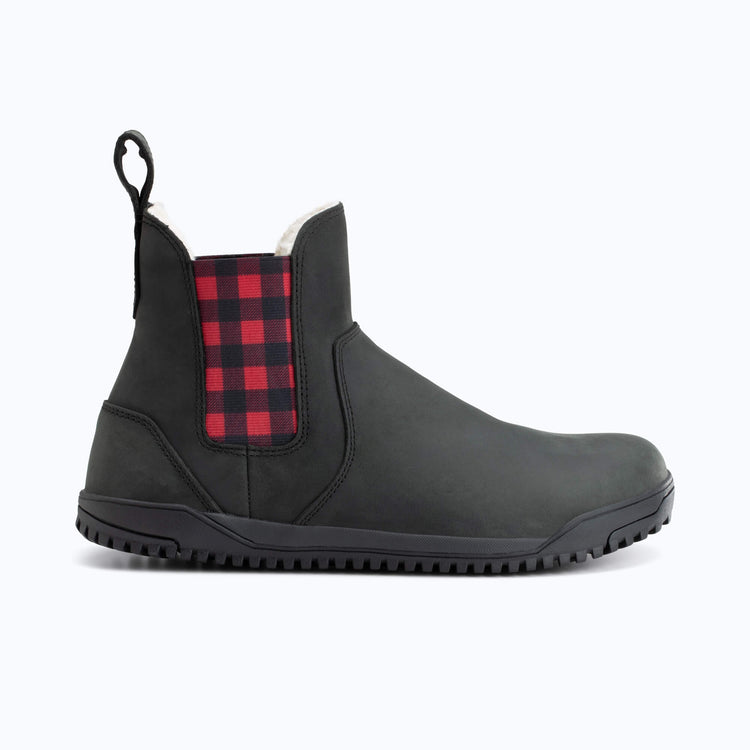
latest News
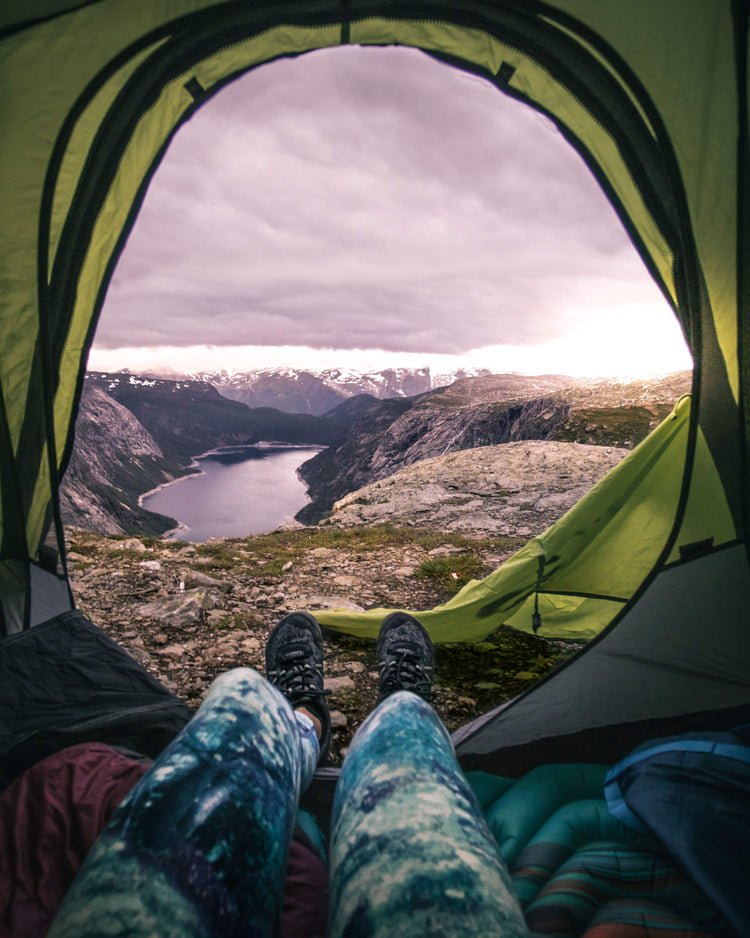
Best Shoes for the Outdoors for 2023
Feel great all day no matter what you're doing in the best shoes, sandals, and boots for spring and summer adventures.Your version of “outdoors” might involve exploring different terrains, hiking a technical mountain, or relaxing by a campfire.Either way, you’ll enjoy it more in lightweight, foot-shaped shoes that bring maximum comfort while still providing needed protection from the elements. Here are shoes that will fit any outdoor adventure you have planned this summer.Sunrise: For Relaxing and Recovery You’ll look forward to slipping into the cozy microfiber upper when you're making your coffee in the morning and getting ready for your adventure. Leave them at the door of your tent or the door of your house, for any easy pair of shoes to slide on quickly.The Sunrise slip-on is the perfect shoe for kicking back and making memories.The Sunrise is perfect for summer travel since it's our lightest shoe at 5.6 oz (M9) and 4.6 oz. (W7). You can slip them in a backpack or clip it onto your bag to wear at the end of the day. Wear it as a slide or a shoe. Just step right on the back of the shoe and slide your foot in.“From the moment I put them on, the most comfortable shoe ever!” - Robyn N“The Sunrise is so comfortable, light & easy to walk around in. I love their flexibility & versatility. I wear them on a quick trip to the store or when traveling.” - Mike S VIEW THE SUNRISE Z-Trail EV: For Ultralight Hiking or Casual Strolls Our most versatile sandal works equally well on land or in water, if you’re out hiking or taking a leisurely walk. Z-Trail EV dials in the perfect combination of lightweight protection and natural flexibility. Enjoy trail-ready traction from a 11mm lugged FeelTrue™ sole with a middle layer of TrailFoam to even out the bumps and the top layer of BareFoam for added comfort, while still allowing you to bend, move and flex your feet. They’re comfortable and protective enough to wear all day, but at a miniscule 5.4 oz (M9) and 4.3 oz (W7), they can also be your perfect “other” footwear for an ultralight thru-hike or a river corssing.If camping for you is something that MUST happen along a lake, river or stream, this is your sandal.“I’m putting them to work. I’m using them as my camp shoes on an AT section hike. They’re working great!” - Gregg A VIEW THE Z-TRAIL EV SCRAMBLER MID: FOR HARD MILES ON AND OFF THE TRAIL The Scrambler Mid is the worlds lightest fully technical hiking boot. At just 11.3 oz. per shoe (M9) and 9.4 oz (W7), a pair weighs less than just one single boot from most other companies.Every hiker knows that feeling at the end of a hike where you simply can’t wait to kick off your heavy, stiff boots. You won't feel that again in the Scrambler Mid. This technical hiking boot is so light and flexible, you’ll forget to take it off once you make it to camp.Scrambler Mid is a collaboration with the car and bike tire company Michelin. If you could see inside the thin Michelin Fiberlite sole, you’d find an embedded textile layer, giving the sole unparalleled strength, flexibility and lightness. In fact, it's so light people even run in the Scrambler Mid.Add a breathable, abrasion-resistant mesh upper, and you have a mountain travel powerhouse that’s just as comfortable once you take the pack off.“These are great! So light but still a strong sole for hiking. Most barefoot shoes let you still feel rocks etc through them, which isn’t fun after 8 hours of hiking.” - Karl T“Wore these for the first time on a long backpack trip fresh out of the box - no break in period needed. GREAT traction - very comfortable. Didn’t feel the need to kick off my shoes at the end of a long hike day. :)) Worth every penny!” - Angela W. VIEW THE SCRAMBLER MID Aqua x Sport: For water and trail Paddle-boarding, canyon camping, river rafting or kayaking… they all require shoes that dry quickly, pack easily, and have grip on wet and dry surfaces. The Aqua X Sport thrives when things get wet. This super-powered water shoe starts with the lightweight, rock-gripping sole of the Mesa Trail II. On top you’ll find a light and breathable mesh upper, non-absorbent tongue, and toe guard drain holes that help you quickly shed water. Coming in at 7.5 oz (M9) and 5.9 oz (W7), it’s barely any heavier wet than dry. The included speed laces with adjustable lace locks mean you can dial in a custom fit in no-time flat, wet or dry. This shoe is your secret weapon for moving naturally through all the elements.“Out of all the water shoes I've owned over the years, these are by far the most comfortable and breathable. No need to change between two pairs of shoes when going to a water related activity.” - Paul R. “Excellent grip on the sole when traversing slick logs across streams and muddy hillsides without slipping one millimeter. LOVE!” - Danielle K. VIEW THE AQUA X SPORT Find The Perfect Outdoor Shoe For YouWhatever your idea of outdoors is, there is a barefoot shoe for every activity imaginable - from backpacking, to river rafting, to relaxing back at camp. Take the shoe finder quiz to see what shoe is best for you.
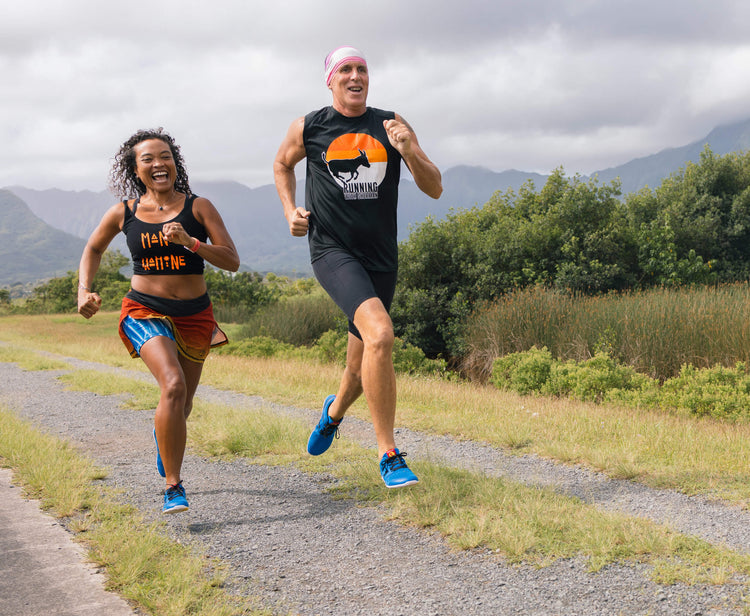
5 Easy Tips For Better Running - Global Running Day 2023
In this 5-minute guide to better running created by “Born to Run Coach” Eric Orton, he takes the concept of running for fitness and rewrites it. When you know how often to run, how fast, and how far, you can turn running from a workout into a joy. Watch Coach Eric’s guide to help you make the most out of every step and avoid common frustrations and injuries. To build a running habit that you look forward to, keep the five things Coach Eric shared at the top of your mind... Don’t compare yourself to other runners. Your running journey is your own. Make it easy. If you want to build a strong, joyful running habit, keep it fun. Turn running into a craft. Explore form and technique and pay attention to how your body moves and feels when you run. Do less more often. A ten-minute run every day will get you further than trying to run for an hour a couple times a week. Focus on your foot core. Running strength and form starts with your feet, so build that foundation. Put Yourself on the Fast Track to Better, More Joyful Running If you want to build your foundation faster, develop better running form, and get more joy from your runs, Xero Shoes can help. Xero Shoes running shoes have foot-shaped, wider toe boxes that let your toes splay and spread. That gives your feet a wider, more natural base when you’re running, which promotes balance and gives you fuller access to your “push-off” power. They also have a zero-drop, non-elevated heel. This puts your foot in its natural position when you’re running and you’ll notice how your posture improves. The thin, flexible soles let your feet move and bend naturally, give you ground feedback which helps with form and technique, and provide just the right amount of protection for your feet. Try Xero Shoes running shoes for better form and a more joyful run.
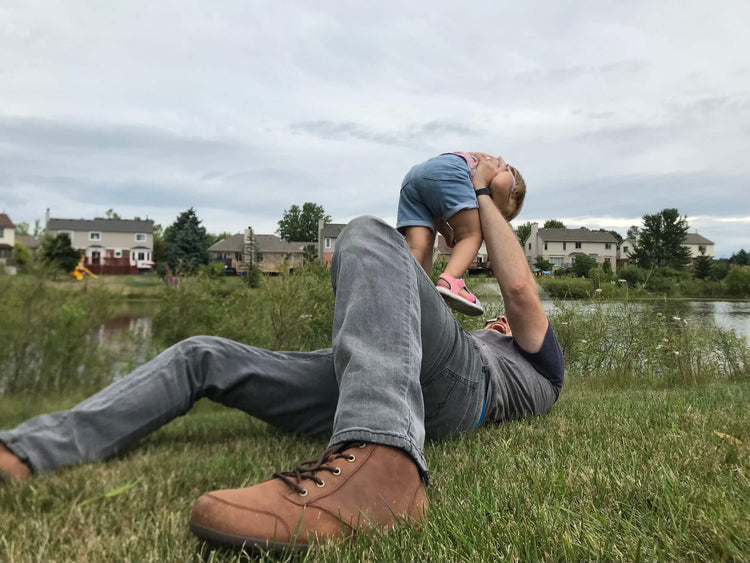
FATHER’S DAY GIFT GUIDE 2023: BEST SHOES FOR DAD
Here are two things we can pretty confidently say about men: They appreciate comfort Once they find something comfortable, they wear it… until it’s worn out A foot-friendly, durable pair of barefoot shoes fits the bill on both counts. No matter what activities he loves doing, naturally comfortable shoes can help him enjoy it even more. And he’ll appreciate his feet feeling as good at the end of the day as they did at the start. Use this guide to match up the dads you care about with the shoes they’ll love. Not sure of someone’s size? Just send him this article, plus a Xero Shoes gift certificate. The Sunrise: For Chilling & Grilling If a perfect “grilling shoe” exists, the Sunrise is it. It’s soft, cozy, and so light it feels like it’s barely there – the ideal vibe for making a dream meal on the patio. But just as importantly, it’s also the easiest shoe to take on and off when heading inside or outside. He can pull the back of the shoe up over his heel like a regular shoe or slipper. Or, just step right on the back and slide in. “I wear them to the store, around the house, in the garage, driving, and everywhere else. May toss out all of my other shoes. Nah, not my Prios and Glenns!” - Thomas C. These are my go to everyday shoes for traveling, walking the dog, grocery shopping. Has helped improve my posture and balance as well! - Nikhil M. “The Sunrise shoe is incredibly comfortable. It's a whole new experience.” - John F. VIEW THE SUNRISE Prio: For Working Out and Living In Prio is the go-to for men who don’t JUST work out in their athletic shoes. They live in them all day, every day. He’ll appreciate the low-to-the-ground build and grip for running or lifting, and the instep straps for lateral stability in any sport. The lightweight design and flexible, foot-shaped sole will help his feet feel as good at the end of the day as they did at the start. And for whatever else he wants or needs to do… there’s a Prio for that. Prio Neo: The Prio’s grip and lateral support in an even lighter, sleeker design. Prio Suede: Leather-accented style ready for the office or a night out. Prio All-Day SR brings slip resistance and full-grain leather to meet service industry standards. "Best shoes ever! I really don’t know why I didn’t purchase these earlier. So much better than commercial runners. Now my other shoes are now in the cupboard. Will definitely buy another pair.” - Richie R. “The most comfortable thing I've ever put on my feet. These things are awesome, and you've got a lifetime customer!” - Todd E. “I wear the prio for the gym, going out, at work, etc. It's the best all around shoe.” - Ryan A VIEW THE PRIO COLLECTION Scrambler Mid: The Ultimate Lightweight Hiking Shoe If getting out in the elements, hiking in the hills, or strapping on a backpack is how he likes to spend his free time, he’ll enjoy every step more in the ultra-light Scrambler Mid. This new collaboration between Xero Shoes and the car and bike tire company Michelin features a Michelin Fiber Lite® sole that brings mountain bike-inspired grip without sacrificing flexibility. The abrasion-resistant mesh upper keeps out trail debris while letting cool air in. He’ll love how light he feels in these. At just 11.3 oz. per shoe (M9), a pair weigh less than just one single boot from most other companies. “The best! I decided to take a chance on the Scrambler Mid and I couldn’t be happier. My first time ever wearing them was a 13-mile round trip hike into the Grand Canyon. No rubbing weird, no blisters, nothing. I barely noticed them on my feet. I highly recommend them.” – Michael D. “Lightweight, incredibly comfortable, and they look awesome!” - Jim “Just finished some backcountry hiking and the boots were great. Very stable tread and the mesh upper drained water quickly so the shoes would dry out.” - Rob J VIEW THE SCRAMBLER MID Naturally comfortable shoes for every season, activity… and every man Don’t see the perfect fit here? Explore our entire selection of men’s barefoot shoes, boots, and sandals available in different styles, colors and sizes to find even more options for the man on your list. Not comfortable picking shoes for him? Just send him this article, plus a Xero Shoes gift certificate.
Are Cushioned Shoes Bad for Your Joints?
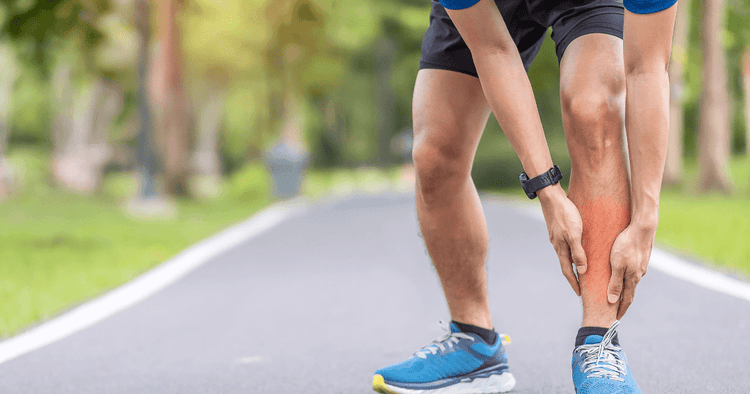
Big shoe companies will try to tell you that all that padding and “motion control” technology is helping to protect you from impact. A new study from Oregon State University found the opposite. You can read all about it in this New York Times article: “Super-Cushioned Running Shoes are All the Rage, But Aren’t Foolproof.” READ THE FULL ARTICLE If you hit the article-limit paywall, here are the big takeaways on why cushioned shoes are bad for your joints: Runners in “maximalist” cushioned running shoes hit the ground harder, and pronate more (roll their ankles inward), than runners in neutral shoes This tendency gets WORSE the more you run in those shoes Super-maximal shoes “tend to be more unstable” than low-to-the-ground barefoot running shoes, even on roads and track Xero Shoes Make Happier, Healthier Runners If there’s a common thread among the tens of thousands of Xero Shoes reviews, it’s this: Nobody started wearing Xero Shoes because of any special technology. They just wanted to move better, and feel better. And guess what: They do! Skeptic turned believer! “I love that I can feel the ground beneath me when I walk, and it has really increased my proprioception so I’m not wobbly or tripping. I usually would kick my shoes off and go barefoot as soon as I got home, but now they don’t come off until I go to bed.” - Timothy C Amazing, life-changing shoes “I bought them because I stand all day. They are perfect. Changed my life in two days! I will buy them again.” - Donna C. Amazingly comfortable “I feel safer walking the trails wearing Xero Shoes - especially navigating rocky areas. I own 5 pairs and love them.” - Linda T OMG Great shoes. They really do make my feet feel good. Thanks! - Shane T
The Perfect Summer Shoes to Go with Every Type of Adventure
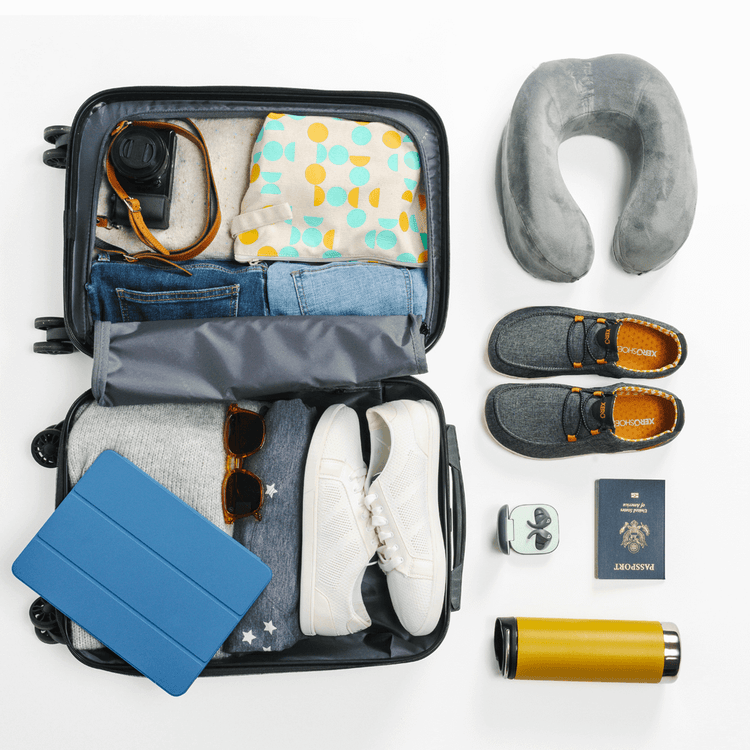
Summer fun is just around the corner. Are you ready for days at the beach? Have you made plans to spend some time on your favorite trails? Or maybe you’re thinking of an urban getaway to a new city? Whatever you’ve got planned, having the right summer shoes to go with your adventures is essential. The right shoes have four key factors: They facilitate your fun. You wouldn’t want to wear a pair of hiking boots to wade in the ocean, and scrambling up a steep mountain trail in a pair of sandals might not be your speed. Pick a shoe that will help you get the most enjoyment from your activity. They leave your feet feeling good. If your feet don’t feel as good at the end of the day as they did at the beginning, then your shoes aren’t doing their job. You like the look of them. They’re easy to pack. Your summer shoes should be light and flexible so they’re easy to take with you anywhere. Whatever adventures the summer has in store for you, Xero Shoes has the right pair of summer shoes to help you maximize your fun. SUMMER SHOES FOR BEACHY FUN - AQUA CLOUD Whether you’re strolling along sandy shores, paddle boarding, or splashing around in the waves, the Aqua Cloud is so lightweight it’s barely there, but — wet or dry — it gives your feet a just-right amount of protection. Grippy rubber sole No thong strap pressure points Easy on and off lacing 3mm BareFoam for added comfort SHOP AQUA CLOUD CONQUERING AN URBAN JUNGLE - DILLON OR NEXUS KNIT Do you love exploring new cities in the summer months, but dread how your feet feel after walking around on concrete or cobblestones all day? There’s a simple solution. Pick a shoe that leaves your feet feeling as good at the end of the day as they did at the beginning... a shoe like the Dillon or the Nexus Knit. Soft, breathable mesh upper All day comfort in a classic sneaker Vegan friendly Super lightweight SHOP DILLONSHOP NEXUS KNIT SPENDING SUMMER DAYS ON YOUR FAVORITE TRAILS - SCRAMBLER MID II Enjoy your time in the mountains more when you’re not weighed down by heavy boots. Confidently tackle challenging terrain in the lightweight, flexible Scrambler Mid II. Rainy, muddy trails? The Scrambler Mid II WP, our waterproof version, means you’ll have fun, rain or shine. Grippy Michelin Fiberlite sole Mid height to keep out debris Mud shedding lugs for confident traction Lightweight comfort with the protection you need SHOP SCRAMBLER MID II TAKING ON A SUMMER RUN - HFS II Summertime isn’t just for traveling or hanging out by the lake. It’s also race season. If you’re gearing up for a competitive or fun summer run, don’t forget about your shoes! The HFS II from Xero Shoes may be the perfect road racing shoe. It’s lightweight, highly flexible, and oh-so-comfortable. So lightweight, you’ll feel like you’re flying Tire tread-inspired outsole Moisture-wicking lining for extra breathability Highly flexible sole SHOP HFS II TRAIL RUNNING... YOUR NEW SUMMER HOBBY? - SCRAMBLER LOW Flying down a trail, navigating the uneven terrain, soaking in the outdoors... what could be better? Doing it all in the most comfortable trail runners imaginable, that’s what. See how good your feet feel when you slip into a pair of Scrambler Lows. And if you need your feet to stay dry when the trails getting muddy, there’s a waterproof version, too. Grippy Michelin Fiberlite sole Breathable mesh upper Lightweight comfort Secure, adjustable fit SHOP SCRAMBLER LOW HAVE MORE FUN WITH HAPPY FEET Whatever adventure you find yourself on, you’ll have more fun when your feet feel good. And that means finding the perfect pair of summer shoes for each of your warm-weather activities. Xero Shoes has barefoot shoes for every summer adventure. Browse all shoes to find your next pair.
Mother’s Day Gift Guide: The Perfect Xero Shoes For Every Woman in Your Life
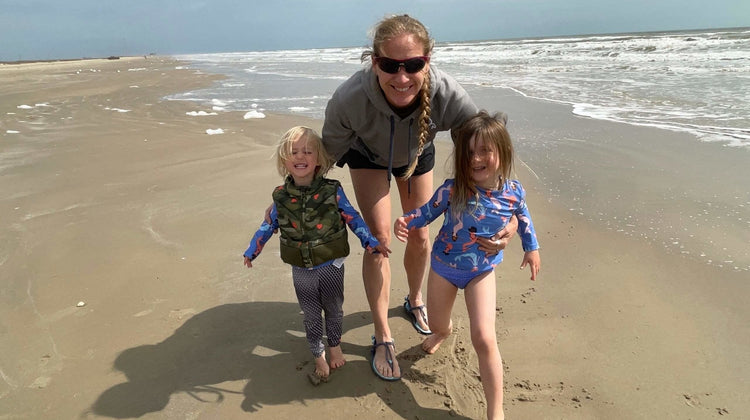
Being a mom is many things, but “easy” generally isn’t one of them. But a truly comfortable pair of barefoot shoes for women make every daily challenge a little more manageable - and every fun activity just a little more enjoyable. Use this tool to match up the moms you care about with the shoes they’ll love. Not sure of someone’s size? Just send her this article, plus a Xero Shoes eGift Card. DILLON: For Style-Conscious WOMEN Light, comfortable, and they go with everything PAGOSA: FOR BUSY JETSETTERS WITH TIRED FEET Perfect for around town or around a campsite. https://www.xeroshoes.eu/wp-content/uploads/2023/05/Pagosa-for-Mothers-Day.mp4 Xero Shoes PR Director (and Mom-to-be!) recommends the Pagosa for any expecting mothers. Prio Neo: For ACTIVE WomeN Fun and agile for the go-getter. SCRAMBLER MID II: For Women Who Get Outdoors If hiking, pushing a stroller down a trail, or carrying a baby backpack to the top of a hill is her idea of “fun,” she’ll enjoy the ultra-light Scrambler Mid II. Phoenix Leather: For Busy Professional Women All-day comfort in an elegant flat.

Tips to Clean Your White Shoes
White shoes look bright and clean until… you do practically anything. A speck of dirt, a coffee drip, a scuff. Everyday life leaves real marks. The good news? Keeping your white Xero Shoes fresh doesn’t require harsh chemicals or a complicated routine — just the right approach for the right material. Read on for tips to keep your white Xero Shoes clean, with special care instructions for knit, mesh, leather, suede and canvas. Let’s start simple. The 3-Step Xero Shoes Cleaning Method For most materials like knit and mesh, we recommend an easy, 3-step method, and you likely already have everything at home. Step 1: Mix a Gentle Solution Combine: 2 cups cold water 1 teaspoon non-bleach laundry detergent Why non-bleach? Bleach can weaken fibers, discolor uppers, and break down materials over time. Step 2: Spot Clean Gently Grab an old toothbrush or soft plastic-bristle brush. Avoid metal, which can tear materials. Lightly scrub dirty areas on the top, side and bottom of your shoes (ie: upper, sidewalls, and soles.) Step 3: Air Dry. Always. Rinse cleaned areas with cold water. Let your shoes air dry completely. We don’t recommend putting shoes in the dryer, using heaters, or any heat method to speed up drying. High heat can warp materials and shorten the life of your shoes. How to Clean Specific Shoe Materials With more than 70 styles of Xero Shoes out there for performance, casual and everything in-between, our shoes are designed with the best materials for the intended use. If you want to get specific with your shoe cleaning, scroll to the material for specific care instructions. Knit Lightweight. Breathable. Flexible. Knit uppers are built to move — but they don’t love being soaked with water. How to clean: Brush off dry dirt first. Use the mild non-bleach laundry detergent and water mix (50/50). Gently scrub with a plastic bristle brush in circular motions. Avoid oversaturating with cleaner or water.Stuff with paper towels while drying to maintain shape. Skip: Machine washing Hot water Knit structures can stretch or lose integrity under high heat or heavy agitation. Keep it gentle. Mesh Mesh is breathable — which means dirt can hide in tiny openings. And with many Xero Shoes performance and hiking footwear made with this material, if you wear them right, you’ll have to clean them often. How to clean: Tap shoes together to knock off loose debris. Dry-brush first with plastic bristle brush. Clean lightly with diluted non-bleach detergent and water solution. Blot stubborn spots with a wet microfiber cloth. Skip: Aggressive scrubbing Chlorine or bleach-based cleaners Too much friction can fray fibers. Controlled pressure works better. Leather Leather is tough — but to keep your leather boots or shoes looking good for years to come, focus on a balance of minimal water and leather conditioning. How to clean: Wipe dirt off with a damp cloth. Use mild soap and water sparingly. Wipe clean with a dry microfiber cloth (don’t soak). Stuff inside with paper towels (or paper bags). Let air dry. Apply leather conditioner with a microfiber cloth once dry. Conditioning helps restore natural oils and keeps leather supple and strong. Skip: Submerging in water Household cleaners Abrasive brushes Suede Suede is leather’s more sensitive cousin. How to clean: Let mud dry completely first. Use a suede brush to lift dirt. Use a suede eraser for small stains. For tougher spots, lightly dab with white vinegar. Brush again after drying to restore texture. Skip: Soaking in water Scrubbing hard Liquid detergent saturation Water can flatten suede’s texture and leave marks. Canvas Durable. Classic. Surprisingly easy to clean. How to clean: Use a plastic bristle dry brush to loosen debris. Use a mild non-bleach detergent/water mix. Scrub gently. Rinse lightly. Air dry. For bright white canvas, a baking soda + water paste can help lift stains. Skip: Bleach (it can yellow over time) Dryer heat Should You Use a Protectant Spray? If your shoes are brand new, applying a protectant spray (like Scotchgard™ or KIWI® Protect-All) can help repel water and stains. Always test a small area first. Think of it as preventative care — not a force field. How Often Should You Clean Your Shoes? The sooner you clean them, the easier because dirt that stays on materials bonds to fibers over time. A quick wipe-down after messy adventures saves you from deep scrubbing later. If you wear your white shoes often: Light wipe weekly Deeper clean as needed Want Care Instructions for a Specific Style? Check the Care tab on each Xero Shoes’ product page. We include material-specific guidance there so you don’t have to guess.
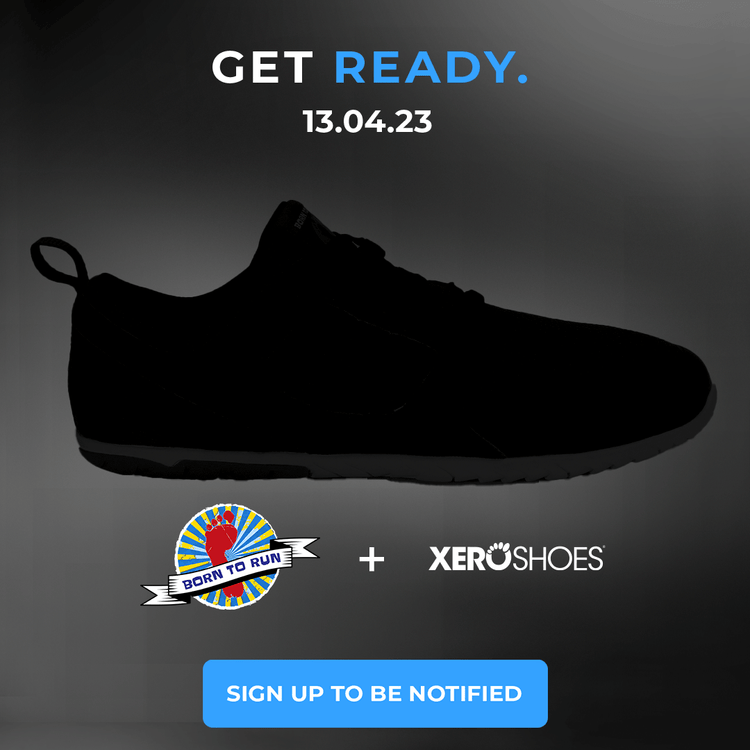
“THE DREAM SHOE”: A PARTNERSHIP WITH XERO SHOES & BORN TO RUN 2 AUTHORS
Fifteen years ago, Christopher McDougall’s iconic book Born to Run changed our ideas of running technique, and running footwear, forever. But McDougall and Eric Orton, his running coach and recent co-author of Born to Run 2: The Ultimate Training Guide, haven’t ever officially partnered with a running shoe company. UNTIL NOW. On April 13th, Xero Shoes will release Born to Run shoes for both trails and roads. Both models will feature: Thin, tough soles that hit the sweet spot of flexibility and rock protection Wider toe boxes and zero heel elevation for natural movement Lightweight designs with breathable, soft uppers Christopher and Eric have been putting these shoes to the test for months, and they’re thrilled with their fit, feel, and overall functionality. “These have everything you need and nothing you don’t. This is the way!” McDougall raves. “If this is Christopher’s dream shoe, and it’s my shoe, this is YOUR dream shoe,” Orton says. We’ll provide additional details, images, and exclusive deals prior to launch. Stay tuned and spread the word in your running community! NOTIFY ME Why did Christopher & Eric Partner with Xero Shoes? Christopher McDougall: “After Born to Run came out, I was approached by a ton of shoe companies who all wanted to partner with some kind of collaboration. I uniformly said no, for two reasons. Number one: I never saw anything I really liked. And number two, I could never be sure they would continue creating the kind of shoe that I believed in. And then I put these Xero Shoes on my feet, and I basically didn’t take them off for the next two months. That’s why I’m so happy now to partner up with Xero Shoes, and I have 100% confidence in recommending them to anybody. If these shoes are on your shelf, you're going to be happy to pick them up.” Eric Orton: "This relationship all starts with the Xero Shoes’ overriding philosophy and focus on natural running and movement. We are in lock-step with this ethos, and it’s very exciting to be partnering with a company that is driven by their mission. Add this to the company’s eclectic staff of shoe industry experts, and you have a powerful combination of business principles and high-end performance shoes. I’m really excited about what Xero Shoes are doing.” Why did Xero Shoes Partner with Chris and Eric? Steven Sashen: “The original Born to Run was a huge inspiration for me when my wife Lena and I started Xero Shoes. And Christopher and Eric have continued to deliver their hard-earned wisdom for foot-friendly training and living ever since. They create happier, healthier runners, not just faster ones. Collaborating with them on a shoe was a personal dream of mine, but also a natural choice for the Xero Shoes brand. The Xero Shoes Born to Run shoes will satisfy the exacting expectations of minimalist diehards. But like all Xero Shoes, they’re also designed to be the most comfortable shoes you own, period. Take them out on your favorite road or trail, and experience the joy of running further, faster with ease – the way you were Born to Run.” Mark April 13th on your calendar, and get ready to feel the difference everywhere you run when you… Live Life Feet First
5 “MOVEMENT SNACKS” TO DO WITH A PARTNER
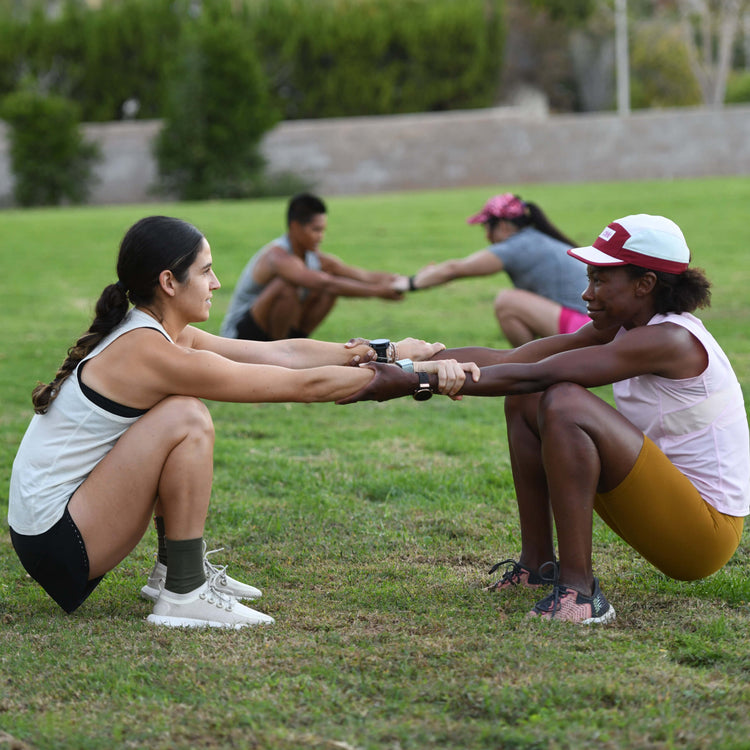
It’s time to rethink what a workout can be! Sure, there’s definitely still a time and place for a dedicated run, yoga class, or lifting session. But the movement in your life doesn’t have to (and shouldn’t) end there. Fill your life with purposeful, stimulating physicality, and it will pay off in ways you expect, and ways you can’t predict. You’ll perform better, think better, and simply feel better all day! The perfect place to start is with “movement snacks.” What are movement snacks? “Movement snacks” are a groundbreaking training concept from Born to Run 2: The Ultimate Training Guide by Chris McDougall and Eric Orton, the follow-up to McDougall’s iconic best-seller Born to Run. These easy-to-learn exercises help engrain crucial human movement patterns on both physiological and neurological levels. Borrowing a page from McDougall’s limitless exercise manifesto Natural Born Heroes: Mastering the Lost Secrets of Strength and Endurance, they also require no equipment and can be done anytime, anywhere. Another great thing about snacks? You can do them on your own, but they’re even better with a partner! Here’s why. For one, adding someone else to your movement practice has been shown in research (and by countless real-life examples) to help all types of workouts be more effective. It helps people stay more motivated to keep coming back. It even enhances exercise's stress-reducing benefits. Basically, adding another person (or two, or a few) instantly makes everything that makes movement great even better! Here are three movement snacks that are group-friendly, fun, and suitable for all fitness levels! These exercises are excerpts with permission from Born to Run 2: The Ultimate Training Guide. Get your own signed copy here, and get 10% off of any Xero Shoes purchase! 1. Braced Deep Squat: Solo or With Partner "How to: Face your partner and grab each other's wrists. Support each other by pulling backward, easing down into a squat at the same time. Pause a few beats, then pull each other back up. How many: 10-12, with a focus on range of motion and controlled technique, rather than speed. Pay special attention to: Focus on getting as deep as you can, with good form, keeping feet facing straight forward. Improve through time. Purpose: Deep Squats can unlock your entire range of motion, everything from your neck to the soles of your feet, while loosening tight hips and Achilles and easing lower back tension" 2. Bear Crawls: Solo or With Partner How to: Start on all fours with your hands under your shoulders, knees under hips, and head in a comfortable position, eyes looking at least 1-2 feet ahead of you, ideally straight ahead. Press evenly onto your palms, tuck your toes under and lift your knees to hover just off the floor. Push onto your left toes and right hand, stepping forward with the left hand and right foot. Continue forward in a nice fluid motion. Keep the hips stable and avoid overly swaying form side to side. Repeat the same opposite arm-opposite leg pattern to move forward. Throughout your movement, keep your focus on easy breathing through the nose. WATCH HOW TO VIDEO How many: 20 steps (each time the right hand makes contact with the ground) to start, and build from there. Pay special attention to: Keeping the knees 2-3 inches off the floor. Work on keeping the hips stable and avoid shifting from side to side. Rest as needed. Purpose: Crawling builds full body strength and connects upper and lower body, as well as developing coordination. It's also a sneaky quad burn!" A movement snack from "Born To Run 2: The Ultimate Training Guide" Make it a fun partner workout by bear crawling towards each other and then shaking your partner's hand. Then proceed to bear crawl backward and repeat. 3. Side Lift: With Partner "How to: Balance barefoot on your right forefoot using a wall or chair or partner to help you stabilize. Keeping your right leg straight, raise your left leg sideways (think of half a pair of scissors opening). Raise your left leg only as high as ou can while maintaining level hips, and then go back to the start position. Note: This is a stabilizing exercise for the stance leg, not a range-of-motion exercise for the moving leg. How many: 15-25 reps, then repeat with the opposite leg. 4. Knee Lift: With Partner How to: Balance barefoot on your right forefoot using a wall or chair or partner to help you stabilize. Keeping your right leg straight, raise your right heel slightly. Now, lift your knee in front of you as high as you can, and then go back to the start position. Keep your movements slow and controlled. The focus is on the stance leg, not the moving leg. Note: This is a stabilizing exercise for the stance leg, not a range-of-motion exercise for the moving leg. How many: 15-25 reps, then repeat with the opposite leg. 5. Quick Feet: With Partner How to: Facing a partner, raise your hands and place your palms against theirs. While maintaining palm-to-palm contact, the "lead" partner then tries to quickly step on the other person's toes. The following partner should dance away, doing everything possible to avoid foot contact while keeping palms connected. Switch How many: Just have fun with it and switch back and forth several times between leaders. Pay special attention to: Never breaking hand contact. Purpose: This is a fun group warm-up to get the heart rate up and simulate the central nervous system with some multidirectional, quick movement with the feet.
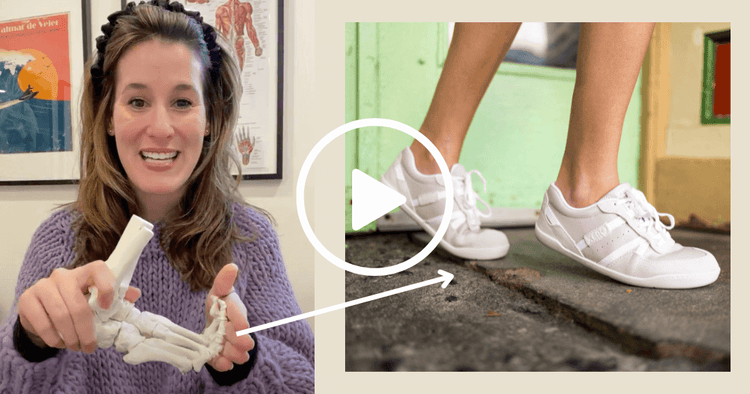
A Podiatrist Explains Why “Every Shoe Is A Walking Shoe”
It’s tempting to treat your shoe rack like a toolbox. For each situation, there’s a product in the $133 billion shoe industry to fit it, from workout shoes to hiking, running, and yes, even walking shoes! But do we need to have a specialized shoe for something as fundamental and human as walking? Massachusetts-based podiatrist Dr. Alissa Kuizinas isn't so sure. “We often have this perception that we need a special category of shoe to wear for walks,” she says. “There’s even a whole segment of footwear called ‘walking shoes,’ and there’s all kinds of technology involved in that. But every shoe can be a walking shoe, as long as it meets certain standards.” It took a long journey for this doctor to reach her current conclusions on walking shoes. Here’s how her personal experience led her to change her mind, and how she guides clients into finding the right shoe for their situation. “I knew there had to be a better solution” Dr. Kuizinas has more than a medical perspective on footwear. She struggled with foot discomfort for years, and found that she was repeatedly jamming her big toe inside her shoes with each step she took – “even with my ‘good shoes’ on,” she recalls. “Traditional medicine would recommend that I wear custom orthotics, limit my activity and wear stiff-soled shoes until the pain became bad enough to require surgery,” she says. “I knew there had to be a better solution.” The deeper this foot doctor delved, the more she found that her feet weren't the problem. It was her shoes! “Even though shoe companies spend millions of dollars on technology and design development, the shoes they produce and sell are doing a major disservice to human feet,” she explains. “From cushioning, to heel-toe drops, stiff soles, to narrow toe boxes, nearly every aspect of a modern shoe has a negative impact on foot movement. It leads to an epidemic of dysfunctional, weak, and malfunctioning feet. And most of us aren’t even aware this is happening!” She finally found her fit once she started wearing anatomically designed, flexible shoes with little to no padding, like Xero Shoes. In a matter of months, she wasn’t just feeling better; she had changed dramatically her perspective on what a shoe should be! Get Out of the Way of Your Feet “The primary purpose of shoes is to protect our feet from the elements and from different surfaces,” Dr. Kuizinas says. “They’re for when we are out in the world walking on a slippery or wet surface. Ultimately, shoes are really there JUST for that purpose. They don’t need to be bulky and restrictive, or supporting our feet. Our feet are designed to support themselves!” So… why not just walk barefoot all the time? Research has actually supported this idea of slight “protection” being beneficial. A study comparing outdoor barefoot walking with minimalist footwear found that the shoes actually improved walking form in both younger and older adults, and reduced risk of falling. To maximize on these benefits, Dr. Kuizinas recommends a ‘as little shoe as possible’ approach to footwear, and instead focusing on building resilient, capable feet. “Rather than building up the shoe to try to externally support the foot and limit motion, minimalist shoes get out of the way of our feet,” she says. “They allow feet to function naturally, to move, and bend. The transition to minimalist shoes involves stripping down the unnecessary and harmful components of modern shoes so that feet can be feet again!” When working with clients today, Dr. Kuizinas shies away from the term “minimalist shoes.” Instead, she likes to call them “functional shoes” or “natural shoes.” “Natural footwear is really on the leading edge of shoe technology,” she says. “By stripping away the unnecessary and downright harmful features of shoes, we allow feet to function effortlessly as they were designed to!” How to Find Your “Functional” Walking Shoe Dr. Kuizinas has a three-point checklist of what she looks for in a functional shoe, which not-so-coincidentally match up with the three major functions of the human foot during walking. “The foot has three jobs: to be a ‘mobile adaptor’ or shock absorber when it first hits the ground, to be a rigid lever during push-off, and to be a sensor of the environment,” she explains. “As long as it can do these three things, it will function well.” Here’s how she says those functions should be reflected in the shoes you wear: Wide Toe Box: “Functional sneakers should have a wide, foot-shaped toe box. They’re broad enough to allow our big toe to sit in a proper alignment.” Flat & Flexible Soles: “Our feet contain 26 bones and 33 joints. And joints are designed to move! A flexible sole allows for natural foot movement. By contrast, stiff and rigid shoes with elevated heels prevent the joints from fully moving through their range of motion and limit the foot.” Minimal cushion and support: “A functional shoe should only be only as cushioned as you really need. Overly cushioned shoes dampen your perception of what's going on with your feet, and your ability to walk well.” If you follow those simple standards, Dr. Kuizinas says, every shoe can be a walking shoe! Be Patient and Build Up to Barefoot Both from her personal experience and in her professional practice, Dr. Kuiz recommends being patient when it comes to transitioning to full-time “functional” footwear. In the early days, she recommends a one-two approach of wearing functional shoes primarily for low-impact activities like walking and running errands, while also going barefoot around the house to help build resilience in the feet and ankles. “As your foot function improves, you’ll be able to tolerate less arch supportive shoes for greater amounts of time,” she explains. Need help finding your perfect pair of shoes? TAKE THE SHOE FINDER QUIZ

Can You Cure Plantar Fasciitis with Barefoot Running?
A new study by Michael Rathleff and his colleagues offer a new approach for treating plantar fasciitis: strength training. More specifically working on foot and calf strength.Click here to read about the research. I can't say I'm surprised by this. It's often the case that gaining strength cures many movement-related problems. But what's most interesting to me is that this research suggests why many barefoot runners report an elimination of plantar fasciitis. Specifically, when you look at the report about the research and read the recommendations for the type of strength training to do, you'll see that the movements are very similar to what you do when you run with a forefoot or midfoot landing. Running this way "pre-loads" your plantar fascia, positioning your foot in a strong position when it contacts the ground, rather than being in the pre-streteched and weak position that you're in when you heel strike, especially in a highly padded shoe. The content of this post does not constitute and is not intended to be a substitute for professional medical advice, diagnosis or treatment. Always seek the advice of a physician or other qualified health provider with any questions or concerns you may have about your health or a medical condition.