latest News
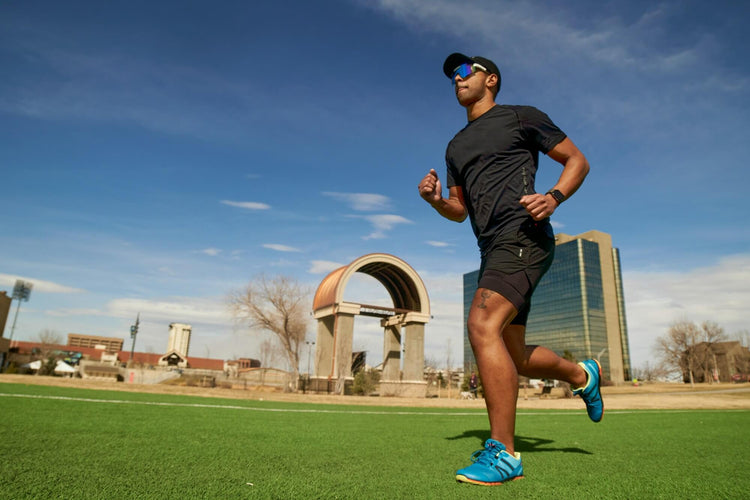
How to Be Lighter on Your Feet While Running
Why You Want to “Run Lighter” Running lighter can have three significant effects on your running: Make running fun Become more efficient Help reduce injury risk How do you run lighter? It just takes a few minor form tweaks that you’ll discover below. Use Sound to Know How “Light” You’re Running The sound your feet make when they hit the ground tells you a lot about your running form. If you hear thuds or slapping noises, you’re “running heavy.” These sounds can indicate that you can improve your running form. Once you address your form, those sounds will not only go away, but you will improve your running efficiency. So, as you explore the tips, below, use the sound of your feet as feedback – your built-in coach. Tips for Running Lighter on Your Feet What changes to your form can help you run lighter? Here are the top tips runners use to improve their form and run lighter on their feet: Make sure your feet land under your body (avoid overstriding) You want to land forefoot or midfoot Let your heels touch the ground Place and lift your foot off the ground as you run Use cues to help avoid plopping your feet Keep your core engaged Pick up your cadence Run barefoot, or in minimalist shoes Let’s dive into each tip. 1) Make sure your feet land “under your body” Landing with your foot too far in front of your body means you’re overstriding. It’s like putting on the brakes each time your foot touches the ground. Why do runners need to overcome this habit? Research shows that overstriding increases forces that go into your joints (rather than letting your muscles, tendons, and ligaments mitigate force). And many researchers believe it's the leading contributing factor for getting injured. When you run, aim to have your feet land under your body, and not out in front. To get a feel for this, we suggest exaggerating this by putting your feet “behind you” when you land. Of course, you won’t actually be able to do this, but if you try, it will highlight what overstriding feels like. 2) Land forefoot or midfoot The type of footstrike is important for running lighter. Ideally, you want a forefoot or midfoot strike instead of a heel strike. When combined with landing under your body, landing mid- or fore-strike means you're using your legs as springs, starting feet first. If you land on your heel, you've lost the first spring in your leg. Do NOT reach out with your foot to land on your forefoot or midfoot - in fact, it’s the exact opposite of what you should be doing. Instead, land with your foot underneath your body (tip #1). When you do this, it's almost impossible not to land on your forefoot or midfoot. 3) Let your heels touch the ground If you're not used to landing on the ball of your foot, it CAN make your calves and Achilles work harder. Some people never let their heels touch the ground (even in shoes!), but there's no inherent benefit for doing that. In fact, if you don't let your heel come down as far as it feels right, you're not fully using your Achilles -- the best spring in your body -- to give you "free energy" when it un-stretches. Once you land on the ball/midfoot, you can let your heel drop if it feels better to do that. It will feel better or worse depending on whether you’re: Going uphill or downhill On a flat surface or an uneven one Moving faster or slower 4) Place and lift your foot off the ground as you run Many runners practically slam their foot onto the ground, especially if they’re overstriding. Instead, think about “placing” your foot on the ground, like how you would place a dish on a table… gently. If you land with your foot under your body (tip #1), and you land midfoot or forefoot (tip #2) this is much easier to do. In fact, it’s almost automatic. To get your foot off the ground, most runners PUSH their toes into the ground. Not surprisingly, this is called “toe-ing off”. And when you toe off, you’re using your calf more than necessary, wasting energy. Instead, think about lifting your foot off the ground by lifting your knee, or pulling your foot off the ground (both of which, technically, happen by flexing your hip). An image I like to use is stepping on a bee – you wouldn’t PUSH your foot to get off the bee, since that would drive the stinger further into your foot. You would reflexively use your hip flexor to LIFT your foot off the ground. Both “placing” and “lifting” can keep you light on your feet. 5) Use a cue to help you “un-plop” your feet This is actually similar to “placing” your foot but with a twist. Many people “plop” their feet on the ground and leave them there for too long. Ideally, to run lighter, you want your feet on the ground for as little time as possible. The actual amount of time your feet are on the ground will change based on your running speed, but this tip will help you find the ideal time, no matter your speed. Coaches use a few different cues to teach runners how to avoid plopping. It helps to pretend that… You’re running on hot coals or eggshells Your feet are wheels, and you want them to touch where the wheel meets the ground The ground is moving below you like a treadmill, and you want to move your feet at the same speed as the treadmill Think about lifting your feet off the ground before they even contact it Whichever analogy you choose, you must find your own way of meeting the ground lighter with your foot and keeping it on the ground for as little time as possible. Remember to listen to the sound you are making as your foot hits the ground and use that sound as a coach. 6) Keep your core engaged Core engagement is important for light running. But it’s not just having strong abs. When you run, think of your body as a spring. If you collapse in your midsection, you’re weakening the spring and making it less efficient and, therefore, making it harder to run. Keeping your core engaged while running is about maintaining a gentle but consistent engagement of your abdominal muscles. Imagine lightly drawing your belly button towards your spine in a gentle, controlled manner that doesn't hinder your breathing. This should feel natural and sustainable throughout your run. 7) Pick up your cadence Your running cadence refers to the total number of steps you take per minute. Most people think there is a target cadence of 180 strides per minute. Contrary to popular belief, there’s no optimal running cadence. Some successful runners do more, some do less. That said, most runners run with a cadence that’s too slow. Moving your feet faster gives you less time to keep your feet on the ground. That’ll help you learn to place/lift, “un-plop” and avoid overstriding while you run. So, on your next run, pick up the cadence just a bit without running faster. It’ll feel odd at first because you’re doing something different. But once you get used to that new cadence, try picking it up a BIT more. You’ll find a sweet spot that keeps you lighter on your feet without feeling awkward. And, yes, if you’re inspired to run with a metronome, it could help ;-) 8) Run barefoot, or in minimalist shoes Taking off your shoes and running barefoot can improve your technique. Of course, this isn’t always possible, so wearing a minimalist shoe can help. You don’t need to switch to a barefoot shoe, or barefoot running full time, but doing some barefoot running can highlight some form flaws that you would never notice in a “normal” shoe. In short, running barefoot with good form feels good, and bad form feels bad. If you just explore the tips above while running barefoot, you may find that last little “hitch in your giddyup”. If you want to run barefoot, use these tips: Run on a smooth, hard surface. This will give you the most feedback. A sidewalk or bike path is good. Grass is not great because it’s sort of like taking the padding from a shoe and covering the world with it. Plus, the ground is rarely even, and you can’t see things you might not want to step on… or in. Start SMALL. Let your first barefoot run be 20-30 seconds. Yes, SECONDS. Then, the next day, see how you feel. If you’re sore like you just went to the gym, that’s good. Rest and repeat until you enjoy those 20-30 seconds… then add 10 seconds every time you feel ready If barefoot isn’t for you here’s how barefoot shoes can help improve running form: Barefoot shoes have a wider toe box that allows toes to splay, and move naturally, which can improve posture and balance. Plus, it feels great to not have your toes all squished. Truly barefoot-style shoes have a non-elevated heel (a “zero-drop”) which naturally encourages runners to land more on their midfoot or forefoot rather than the heel. Normal shoes with a “drop” will shift your center of gravity forward, and adjusting to that can put strain on your back, knees, ankles, and hips. Minimalist and barefoot shoes are lightweight shoes that do not have unnecessary padding. They let you use your muscles, ligaments, and tendons as natural shock absorbers and springs (better than any man-made foam!) They mimic the feeling of running completely barefoot while giving you a layer of protection. Barefoot shoes don’t “support” your arch which, like supporting any joint, makes the surrounding tissues weaker. Research shows that merely walking in a barefoot shoe builds foot strength as much as doing a foot exercise program. So barefoot shoes let you build strength in your feet and legs naturally the more you wear them. When your feet and legs are stronger, you can run longer distances without feeling fatigued. Even if you run in “normal” shoes, barefoot shoes are great for active recovery and that strength-building I just mentioned. So slip them on once you’re done with your “normies.” The content of this post does not constitute and is not intended to be a substitute for professional medical advice, diagnosis or treatment. Always seek the advice of a physician or other qualified health provider with any questions or concerns you may have about your health or a medical condition.
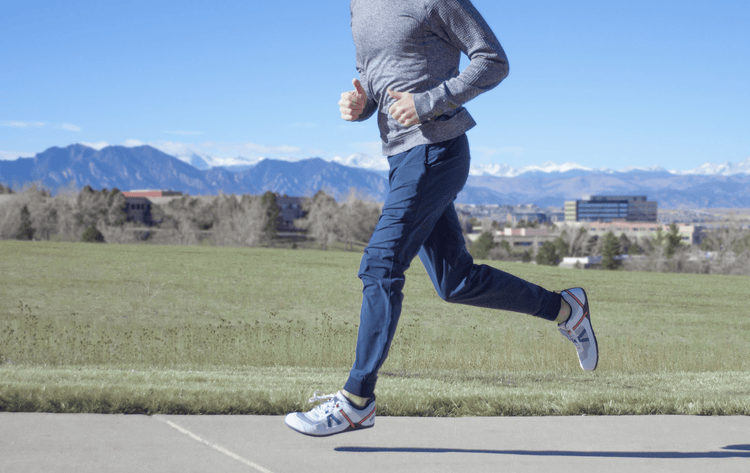
How To Correct Slapping Sounds While Running Barefoot
Experienced barefoot runners find running barefoot light, easy, and fun. If you’re not experiencing the same thing, or if you have various issues like blisters or soreness… you’re doing something different than the people who aren’t having those problems. If you wonder, “What might they be doing differently? What could I change to make this light, easy, and fun?” then you’ll probably figure out the answer (probably without knowing exactly what you figured out!) and find yourself running in the same way. There are tips and ideas we can give you to help in that process, and that’s the point of this series. In this post, I want to talk specifically about barefoot running sandals. Barefoot running sandals, often called huaraches — the term that the Tarahumara use for the sandals they wear — can give you feedback that you don’t get from running barefoot. In other words, just having a little bit of rubber under your foot can give you additional information about your running that, when you attend to it, will improve your running… again, making it faster, easier, lighter and more fun. What’s the specific information I’m referring to? SOUND. When rubber meets the road — literally in this case — you hear something different than when skin meets the road. So, here’s something you should know: When you run in huaraches, you CAN run quietly… Sometimes even silently. That is, A SLAPPING NOISE IS NOT A FEATURE. It’s a pointer to something going on with your form that, once you address, will not only make the sound go away, but should improve your form. Sound is a cue. If you’re not running quietly, the question is: “Knowing that others run in sandals without making slapping noises, what could I do differently to get the same effect?” Slappy story #1 To help you find an answer, let me share a story I got from one Xero Shoes customer, Ron, who was hearing a slapping noise when he walked or ran. I give him my usual suggestions (which you’ll see below), and he called me back a day later. “I noticed something interesting,” Ron said, excited about his discovery. “When I ran up a hill (even a slight one), the noise went away! I’m doing something different with my feet when I go uphill.” “PERFECT!” I responded. “So, the next time you go out for a run, wonder what might be different about your gait when you’re going uphill, and see if you can get that same thing to happen on a flat.” Ron called back the next day even more excited. “I figured it out! I can run quietly now!” I asked what he discovered and, happily, it was everything I recommend to people in this situation: When he went uphill, he put his foot UNDER his body more, rather than reaching out with his foot at all Went he went uphill, he placed his foot on the ground so that it “met the ground”, rather than dropping it onto the ground When he placed his foot, he landed with more of a midfoot strike, almost flat-footed. He didn’t try to land on his foot, but to have his foot moving when it contacted the ground. His “spring” was softer — that is, he flexed his ankle, knee and hip more when he was going uphill, instead of landing with a rigid spring. Here’s the fun part: After noticing these things, Ron didn’t consciously do anything different when he got onto flat surfaces… but the sound had gone away. His body/mind figured out the solution for him. A second slappy story Now, some people need to be a bit more deliberate, and experiment with different ways of moving, but often just wondering and noticing is enough to create change. Here’s another story that highlights the same thing: Jason (definitely not his real name) came to the office to get a pair of Custom-Made Xero Shoes. He told me that he’d been running barefoot for 15-20 miles/week for the last 5 years. “Every now and then, though,” he confessed, “I get some pain in the top of my foot or in the bones near my forefoot.” “Oh,” I said, somewhat offhandedly as I made his shoes, “You overstride.” “No, I’ve been doing this for a long time. I have good form.” “I hear you,” I replied, “but I’m willing to bet you overstride, that with the idea you should land on your forefoot, you’re reaching out with your foot. In fact, I’m willing to bet that as soon as you put these sandals on, you’ll discover the same thing.” “How’s that?” he asked. “You’ll hear a slapping noise when your foot hits the ground.” Sure enough, he put on his shoes and we went for a run and with every one of his steps, you heard “Slap Slap Slap Slap.” He was shocked, but I wasn’t. It’s not uncommon that barefoot runners have some form problems that they don’t notice… just like any runner. In this case the sandals pointed out the problem. “Hey!” Jason said, looking at me as we ran together, “You’re not making any noise.” We stopped and I gave him the cues that I’m about to tell you. Within 5 minutes, his running was totally quiet. But there was another benefit. Looking almost confused, Jason said, “This feels totally different than what I’ve been doing for the last five years!” “How so?” “Easier, lighter, stronger… like I could keep going forever!” BINGO! Me, me, me, me, me I know that the stories above suggest that all slapping noises are caused by form. And, frankly, that’s true 99% of the time. The other 1% is if your sandals are tied WAY too loosely. When you tie Xero Shoes, they should be comfortable. Definitely not tight. And while it’s true that if they’re way too loose, that could increase the chance of making slapping noises, if you walk or run with really good form, even having your sandals practically falling off your feet won’t cause noise. But, if your form isn’t perfect yet, then you may want to try tightening the lace a bit (again, if they feel too tight when you do that, you’ve gone too far). So, assuming too-looseness isn’t the issue… De-slapping So, here are the recommendations for “de-slapping” your running: Simply wonder, “What could people who run quietly be doing that I’m not?” and then experiment with your gait Feet under you — Rather than overstriding, don’t reach out with your foot. Place your foot closer to “under” your body. Exaggerate this for a while if you want to, as if you could place your foot behind you when you land Be soft — think of your lower body as a spring… from the foot, through the ankle, through the knee, into the hip. Catch the ground — rather than “landing” on your foot, imagine that the ground is a treadmill, and you have to “catch” the moving ground under you with a moving foot. So your foot contacts the ground as it’s already moving Try new foot placements — some people land on the ball of their feet. Others land midfoot. Some land flat-footed. Experiment and see which feels right for you. Notice, by the way, that how you land may change depending on whether you’re going up or down hill, accelerating or decelerating. Run uphill — feeling the difference as you run uphill may, like Ron, help you discover how to run quietly Here’s my favorite tip, though: MAKE NOISE! — one way to stop making noise is to deliberately make noise so you understand where the noise comes from. You want to prove to yourself that overstriding causes slapping? Simply run fast and then try to stop quickly — to stop quickly you have to overstride. I bet you hear slapping noises. Want to prove that a “tight spring” could make noise? Pretend you have no knees for a few strides and see what happens when you land almost straight-legged. Get the idea? Let me know what you discover in the comments below.
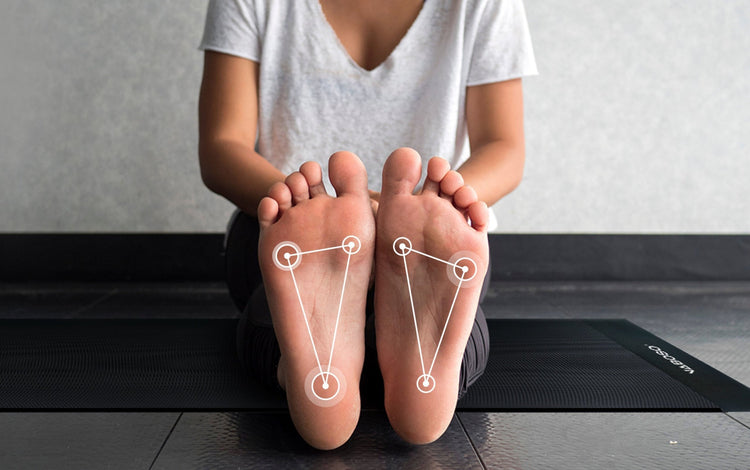
Foot Recovery Tips from a Functional Podiatrist
Dr Emily Splichal - Xero Shoes Partner Our feet carry us through life, supporting our weight and keeping us on the move. They carry us through our day to day, but we often don’t appreciate them until they start to ache or become injured. Research suggests that up to 87% of people will experience foot pain at some point in their lives. This number is so high not only due to the amount of repetitive stress our feet encounter on a daily basis. From overly supportive shoes to a gradual weakening of the foot with age, we need to be proactive in our foot health to prevent this high risk of foot injury. As a functional podiatrist, I strongly believe in the power of daily foot recovery, foot strengthening exercises and smart footwear choices to offset daily repetitive foot stress and to make a lasting impact on foot health and movement longevity. In this blog, we will explore an example of a daily routine to help you take steps towards improved foot health. Morning As you wake up each morning, this is the perfect time to also wake up your feet and align your foot posture, allowing you to better react and respond to each step throughout the day.First, start each day by releasing your feet for just a couple minutes with the Naboso Neuro Ball. This innovative product is unlike any foot release tool in that it is not only a ball but it also splits open to make two domes. In addition, both domes are covered with a patented texture which uniquely stimulates the nerves in the bottom of the feet. To begin, follow this simple 5 point foot release where you stand on specific points on the bottom of your foot for 30 seconds - allowing for pin point acupressure stimulation along the muscles of the feet. After releasing the feet, I like to go directly into an exercise called forward lean. This is a foot posture activation exercise that takes less than 30 seconds to do. Start by standing with the feet shoulder width apart and find the foot tripod under the 1st metatarsal head, 5th metatarsal head and heel. Lift the toes, spread that out as wide as you can, then place them back down onto the floor. Slightly lift the arch of the foot by rotating externally in the hips. Now that your base is stable, stand tall with your arms by your side. Imagine you are stiff as a board. Staying stiff as a board, slightly lean the body forward until you feel the toes push down into the ground. Return to the starting position and relax the feet. Repeat 5 times to sufficiently wake up the foot muscles for your day. During the Day In an ideal world, work would do itself and we would be able to just live our lives as our feet take care of themselves. While this isn’t fully possible, there are tools that make it almost that easy! Stay connected to your feet with no effort at all by wearing minimal footwear and sensory-stimulating insoles or socks. Evidence suggests that our foot muscles respond to sensory stimulation, so by reducing cushion in our shoes it could help strengthen our feet and support our body alignment. A combination of Xero Shoes plus the Naboso Activation insoles creates an environment of maximum sensory stimulation and therefore could help support overall foot health. Evening At the end of a long day, we all just want to kick our feet up and relax. However, just taking pressure off of our feet may not be enough to fully recover the 26 muscles in the bottom of our feet. A great way to passively restore your foot shape and stretch your toes is toe spacers. Toe spacers such as Splay by Naboso, gently realign the toes to their natural position, improving foot function and minimizing arch pain. Whether you want to wear toe spacers while relaxing on the couch or walking around your home, toe spacers are fast becoming one of the fastest-growing foot recovery trends as featured in a recent Wall Street Journal article. To learn more, you can watch a recent lecture I gave about the science of toe spacers. Conclusion There are many options available to help boost your foot recovery and offset foot pain. Remember, the more consistent you can be in your daily foot habits the better the results you will see! By starting with these tools and exercises, you’ll be fast on your way to the results you want. About the Author/Bio: Dr Emily Splichal, Functional Podiatrist and Human Movement Specialist, is the Founder of EBFA Global, Author of Barefoot Strong and CEO/Founder of Naboso Technology. With over 23 years in the fitness industry, Dr Splichal has dedicated her medical career towards studying postural alignment and human movement as it relates to barefoot science, foot to core integration and sensory integration.

A Podiatrist Explains How Shoes Impact Your Foot Health
Massachusetts-based podiatrist Dr. Alissa Kuizinas (and Xero Shoes partner) has more than a medical perspective on footwear. She struggled with foot discomfort for years. With each step she took, her big toe would jam against the inside of her shoes – “even with my ‘good shoes’ on,” she recalls. The $133 billion shoe industry has footwear specialized for every situation. Workout shoes. Hiking boots. Running shoes. Even walking shoes. And the solution to foot problems? The typical suggestion is more cushion, more support, and a more rigid structure to immobilize your foot. But is that the right approach to shoes? Your Foot Issues Might Be a Shoe Problem “Traditional medicine would recommend that I wear custom orthotics, limit my activity and wear stiff-soled shoes until the pain becomes bad enough to require surgery,” Dr. Kuizinas says. “I knew there had to be a better solution.” The deeper this foot doctor delved, the more she found that her feet weren’t the problem. It was her shoes! “Even though shoe companies spend millions of dollars on technology and design development, the shoes they produce and sell are doing a major disservice to human feet,” she explains. “From cushioning to heel-toe drops, stiff soles to narrow toe boxes, nearly every aspect of a modern shoe has a negative impact on foot movement. It leads to an epidemic of dysfunctional, weak, and malfunctioning feet. And most of us aren’t even aware this is happening!” Get Out of the Way of Your Feet “The primary purpose of shoes is to protect our feet from the elements and from different surfaces,” Dr. Kuizinas says. “They’re for when we are out in the world walking on a slippery or wet surface. Ultimately, shoes are really there JUST for that purpose. They don’t need to be bulky and restrictive, or supporting our feet. Our feet are designed to support themselves!” Think of any muscle in your body. If you use it, work it, and challenge it, what happens? It gets stronger. And if you don’t use it, or even worse, immobilize it, it gets weaker. The same is true of the muscles in your feet. Your Feet Are Made to Be Strong Your feet are made to support the entire weight of your body. They’re meant to be strong. For them to maintain that strength, they need to work. And that means your shoes shouldn’t be doing their work for them. So… why not just walk barefoot all the time? Research supports the idea of slight “protection” being beneficial. A study comparing outdoor barefoot walking with minimalist footwear found that the shoes improved walking form in both younger and older adults, and reduced risk of falling. Dr. Kuizinas recommends a ‘as little shoe as possible’ approach to footwear, putting the focus on building resilient, capable feet.“Rather than building up the shoe to try to externally support the foot and limit motion, minimalist shoes get out of the way of our feet,” she says. “They allow feet to function naturally, to move and bend. The transition to minimalist shoes involves stripping down the unnecessary and harmful components of modern shoes so that feet can be feet again!” When working with clients today, Dr. Kuizinas shies away from the term “minimalist shoes.” Instead, she likes to talk about “functional shoes” or “natural shoes.” “Natural footwear is really on the leading edge of shoe technology,” she says. “By stripping away the unnecessary and downright harmful features of shoes, we allow feet to function effortlessly as they were designed to!” And when we do that, we give our feet the chance to grow strong and capable... the core of good foot health. How to Find a “Functional” Shoe that Supports Good Foot Health Dr. Kuizinas has a three-point checklist of what she looks for in a functional shoe, which not-so-coincidentally match up with the three major functions of the human foot during walking. “The foot has three jobs: to be a ‘mobile adaptor’ or shock absorber when it first hits the ground, to be a rigid lever during push-off, and to be a sensor of the environment,” she explains. “As long as it can do these three things, it will function well.”Here’s how she says those functions should be reflected in the shoes you wear: Wide Toe Box: “Functional sneakers should have a wide, foot-shaped toe box. They’re broad enough to allow our big toe to sit in a proper alignment.” Flat & Flexible Soles: “Our feet contain 26 bones and 33 joints. And joints are designed to move! A flexible sole allows for natural foot movement. By contrast, stiff and rigid shoes with elevated heels prevent the joints from fully moving through their range of motion and limit the foot.” Minimal cushion and support: “A functional shoe should be only as cushioned as you really need. Overly cushioned shoes dampen your perception of what’s going on with your feet, and your ability to walk well.” If you follow these simple standards, you’ll find shoes that support your foot health by not doing so much to support your feet! Be Patient and Build Up to Barefoot Both from her personal experience and in her professional practice, Dr. Kuizinas recommends being patient when it comes to transitioning to full-time “functional” footwear. In the early days, she recommended a one-two approach of wearing functional shoes primarily for low-impact activities like walking and running errands, while also going barefoot around the house to help build resilience in the feet and ankles. “As your foot function improves, you’ll be able to tolerate less arch supportive shoes for greater amounts of time,” she explains.In not too much time, you’ll find yourself able to enjoy walking, running, hiking, and anything else you love to do more... because you’ll feel steadier and more stable on your feet. Click Here to Find the Best Barefoot Shoe For You.
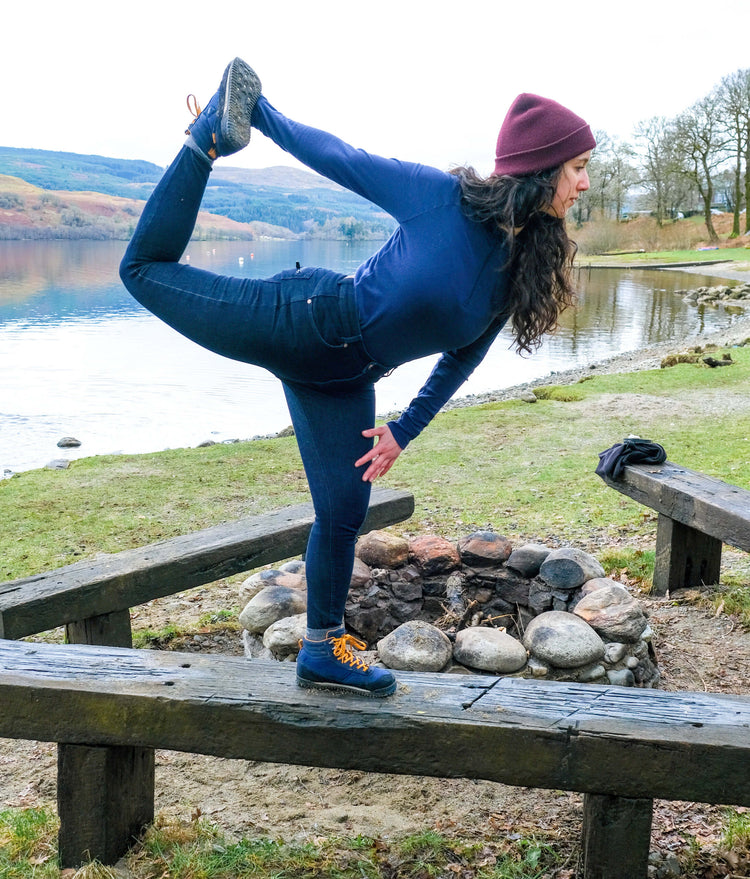
3 Reasons to Try Barefoot Hiking Boots
@danisflowing lays out for us three facts about barefoot shoes that'll knock your socks off (literally).Who knew going barefoot could be this game-changing?"If I could go back in time, I would get myself a pair of barefoot shoes sooner.""The roomy toe box and minimal design of barefoot footwear aim to replicate the natural movement of walking barefoot while still providing some protection. And honestly, they are so much comfier than traditional narrow shoes!"Try the RidgewayCombine the allure of retro style with cutting-edge barefoot-friendly technology, and you get the Ridgeway – a hiking boot with a rugged canvas upper with suede accents.It’s ready to conquer technical trails with friends and comfortable enough to enjoy a beer afterward.
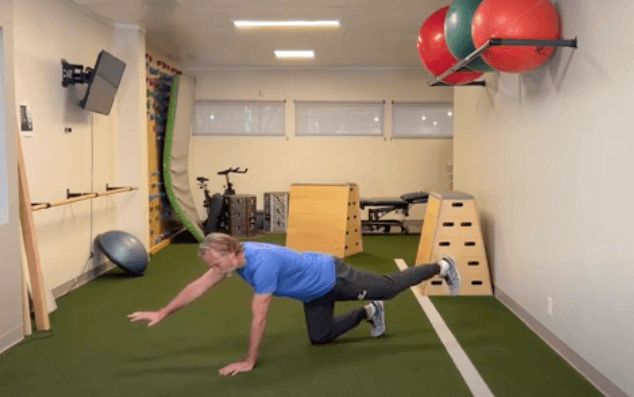
4 Natural Movement Techniques to Try For Yourself (Videos)
Reconnect with Your Body: Discover Natural Movement Erwan Le Corre Provides 4 Techniques to Help Optimize Natural Movement In a world where our lives are increasingly sedentary, finding our way back to the basics of movement is not just refreshing—it's essential. Erwan Le Corre founded MovNat, a physical education and fitness method for real-world physical capability. Erwan shares a video series featuring four techniques that promise to revolutionize how you move naturally. Whether you're a fitness enthusiast, a professional athlete, or someone looking to improve your physical well-being, Erwan teaches you to discover the freedom of natural movement. This blog features workout tips from Erwan Le Corre Founder of MovNat, Affiliate of Xero Shoes www.movnat.com @movnat Rediscover Natural Movement With These 4 Techniques Natural movement is twofold: First, how your footwear allows your feet to move and feel is essential. Second, the ease and efficiency of your movement matter. In these four videos, you’ll learn the following techniques: Running – How to run efficiently and economically. Balancing Walk – How to develop better balance while walking on a narrow surface. Foot-Hand Crawl – How to walk on all fours using an efficient pattern that will save you much energy. Leg-Swing Jump – How to jump across gaps by landing softly and safely. Let’s dive into each technique and learn more about natural movement! 1. Unlocking the Art of Proper Running Form In this video, Erwan teaches you the fundamentals of efficient running, starting with proper posture. Before taking a step, align your spine from head to toe. Running should feel comfortable and natural. Land lightly on the ball of your foot so you feel light and elastic in your movements. Practice a slight forward leaning at the ankle level to propel yourself forward with minimal effort, making running more efficient and enjoyable. 2. Balancing Walk for Improved Balance Erwan teaches you a simple exercise and additional challenges to enhance balance. The balancing walk involves standing on one leg and experimenting with moving the other in various directions. The foundation of better balance begins with ensuring a vertical alignment of the body. To simulate balancing on a narrow surface, walk in a straight line with one foot in front of the other. As you improve, you can progressively introduce more challenging surfaces, like a two-by-four, to safely improve balance. 3. Crawling: The Blueprint of Movement Erwan spotlights crawling, a fundamental natural movement that is often overlooked in adult fitness regimes, and a core technique in MovNat training. The knee-hand crawl exercise involves moving opposite sides of the body simultaneously in an X pattern. Once comfortable, you’ll progress to the foot-hand crawl, which requires advanced balance and stability in a slightly elevated position. You’ll learn the most efficient way to crawl: moving forward through a push-off from the feet and backward by pushing off with the hands. 4. Leg-Swing Jumping In this video, Erwan demonstrates the leg-swing jump technique to overcome real-world obstacles efficiently and with minimal energy expenditure. You’ll learn to use a "one-two" landing pattern to land softly and maintain stability. This method is beneficial when the obstacle is not too wide yet too challenging for a simple step over. Start with ground-level exercises and progress to practicing the technique at increasing distances and eventually incorporating environmental variables. This gradual increase in complexity allows for skill development and confidence in using the leg swing jump in various scenarios. Embark on Your Natural Movement Journey Reconnect with your body's natural movements and develop a more intuitive relationship with yourself and the natural world. We hope this video series helps you rediscover the basics of movement. Learn more about MovNat and check out their online e-courses. The content of this post does not constitute and is not intended to be a substitute for professional medical advice, diagnosis or treatment. Always seek the advice of a physician or other qualified health provider with any questions or concerns you may have about your health or a medical condition.
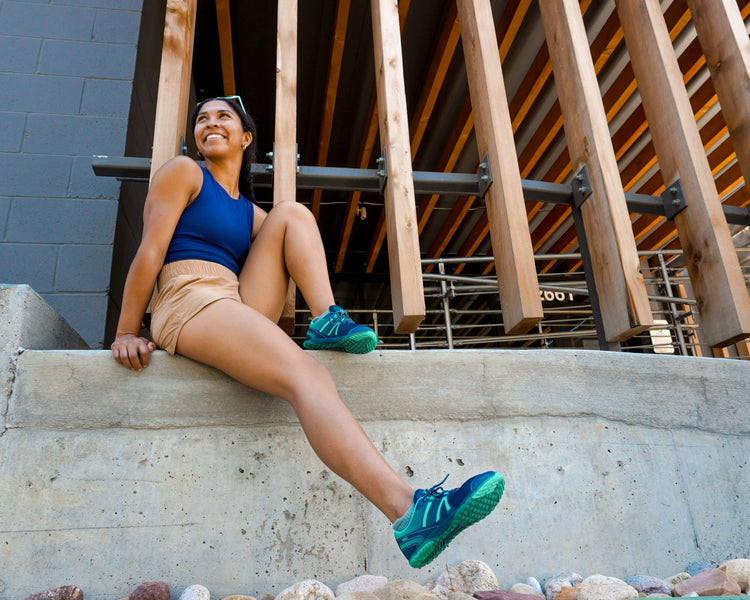
Are Barefoot Shoes Beneficial for Active Recovery?
In the past few years, “recovery” has become a buzzword, as the need to take care of our well-being is paramount, whether you're an athlete, a parent, an executive, or simply someone who appreciates comfort.Any product or service that helps us cope with daily stressors is now considered a form of “recovery.” We often underestimate the importance of allowing our feet the time and space to recover. However, Google “recovery shoes,” and you’ll find lists of highly cushioned shoes and sandals, some made almost entirely of foam.But what if there’s a better way to recover?In this blog, we’ll explore the importance of foot recovery and how Xero Shoes can be a tool for recovery.Why Are Barefoot Shoes Good for Recovery?Our feet bear the brunt of our daily activities, yet they are often the most neglected part of our body. With 26 bones in each foot and more than 200,000 nerve endings, it’s time we optimize our feet for recovery. Traditional shoes can restrict natural foot mechanics, like impeding your feet' natural flexion and extension. The shoes themselves can also have a narrower fit due to tighter. Xero Shoes are designed to facilitate natural movement, providing your feet with the freedom they crave. Traditional shoes can impede your feet' natural flexion and extension, hindering recovery. With Xero Shoes, you'll experience a liberating sensation that encourages a more natural gait, promoting better blood circulation and aiding recovery. A Podiatrist Recommends Barefoot Recovery ShoesDr. Alissa Kuizinas, DPM, is a podiatrist passionate about natural foot function. Here’s what she says about the benefits of wearing barefoot shoes. “Going barefoot allows your feet to feel and interact with the ground surface, allowing for improved muscle reactivity and postural changes, along with adaptation of the foot muscles and strengthening.”The foot-shaped design of barefoot shoes also aid in active recovery, allowing your feet to activate while still feeling comfortable. Dr. Kuizinas agrees, “Since the shape of the shoe accommodates the toes and the natural splay and expansion that occurs with walking, they often allow for better shock absorption and better use of the muscles of the feet and legs. They prevent the compression and restriction to the front of the foot that occurs with traditional shoes.”What to look for in recovery shoes:Natural Comfort – A barefoot shoe design encourages a more natural gait, reducing the impact on joints and muscles. This can be especially beneficial for recovery after intense workouts or long periods of standing.Lightweight and Flexible Design – A pair of recovery shoes should not feel constricting on your feet. Look for shoes with a roomy toe box that lets you wiggle your toes or scrunch your feet. The feather-light feel and flexible design of Xero Shoes make you feel barefoot. The best sensation is when you forget you’re wearing your recovery shoes.Breathability – Just as you want your feet to relax, you also want to ensure they’re getting proper airflow. Look for shoes constructed with breathable materials, like mesh, hemp, or cotton, that ensure your feet stay cool and dry. Breathable shoes benefit post-exercise recovery, preventing moisture buildup and potential discomfort.Versatility – Recovery doesn't mean compromising on style. Whether relaxing at home, weightlifting at the gym, or running errands, you can do so in style while prioritizing your foot health. A good pair of recovery shoes or sandals don’t have to look like they’re for recovery. A bonus: any pair of Xero Shoes is designed with your feet’s comfort in mind so you can pick from over 50 shoes, boots, and sandals. Your feet are the foundation of your mobility, and their well-being should be a priority. Letting your feet recover is not just a practice. It’s a holistic approach to recovery that enhances your daily life. What Athletes Say About Barefoot Recovery ShoesXero Shoes Partner, Pilobolus Dance Group “At Pilobolus, we work our bodies hard in rehearsals and performances, and to do this, we need maximum movement and mobility for our feet. Wearing Xero Shoes when we are off duty or on rest days allows us to continue to move with the same mobility as our usually bare feet, with comfort and ease.” Emily Kent, Education DirectorXero Shoes Partner, Team Novo Nordisk Cycling Team“After a 5-6 hour ride, I put on my Xero Shoes and my feet can breathe. They feel freeing and give me so much support when I’m walking. It’s amazing, especially after wearing tight cycling shoes.” Jan Dunnewind, Pro Team Cyclist “When I first put on Xero Shoes I was surprised with how they felt because my feet could actually move and spread out. They feel really great for recovery after a long day on the bike. From the first day, I knew these were the shoes I want to use and don’t want to switch back to any other shoes.” Przemysław Kotulski, Development Team Cyclist
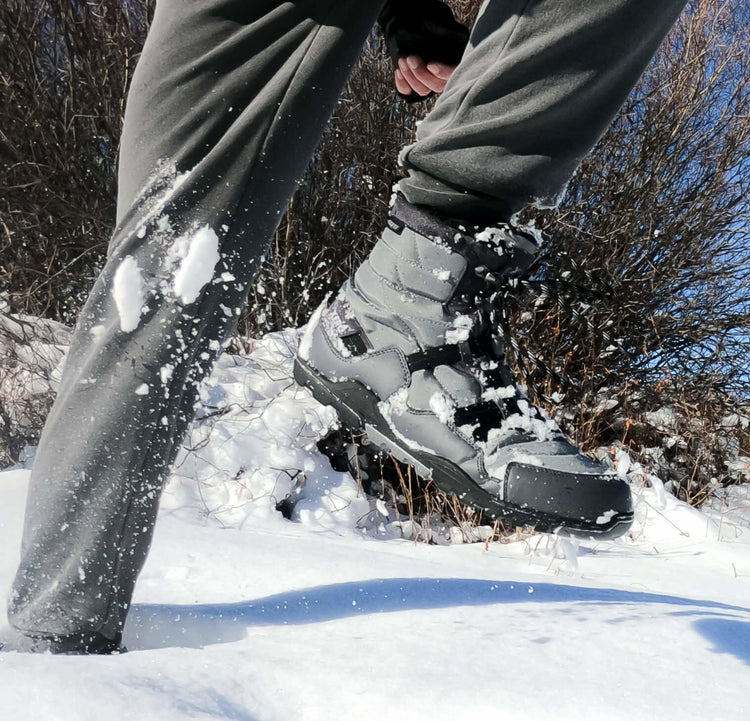
A Barefoot Winter Boot Review in -29° C
To Run 2 Co-Author and Xero Shoes partner, Eric Orton put the Alpine to the test in harsh Wyoming winter conditions, with temperatures dipping to -29 °C. "The Alpine is the perfect balance of performance and protection, and I've been searching for a boot like this for the last 20 years."DISCOVER THE ALPINE

5 Footwear Style Trends That Will Rock in 2024
These Footwear Style Trends Will Rock 2024 5 Style Trends for 2024 Fashion enthusiasts and trendsetters alike eagerly anticipate the fresh wave of styles that will dominate the footwear scene in 2024. We've got an exclusive sneak peek into the hottest trends for 2024, straight from the experts: Kristina Funck, Xero Shoes’ talented Design Director, and Megan Elias, the creative force behind our Product Merchandising. Plus, we've tapped into the wisdom of barefoot shoe expert Anya Jensen, the visionary founder of Anya's Reviews. Barefoot/Wellness Trend Get ready to kick off the year on the right foot – quite literally! The buzzworthy trend for 2024 is all about embracing barefoot footwear styles. According to data from trend forecasting platform WGSN, searches for "barefoot training shoes" have surged by a staggering 450%, reflecting a growing interest in comfortable yet stylish options. Enter Xero Shoes, where minimalism meets functionality. Xero Shoes’ iconic Genesis sandal, the epitome of a barefoot sandal, offers an almost invisible feel on your foot, aligning seamlessly with the trending need for packable and travel-friendly options. The rise in barefoot interest is more than just a fashion statement; it's a testament to the evolving consumer mindset centered around well-being. Holistic wellness has become more mainstream, and Xero Shoes is uniquely positioned to deliver a positive experience that goes beyond mere style, making wearers feel like an integral part of the barefoot movement and community. Quiet Luxury We also see the Quiet Luxury trend continue into 2024. Quiet Luxury is a move from the more is more and joyful maximalism - YOLO trends that dominated post-pandemic style. Quiet Luxury is defined by more timeless silhouettes and colors, clean lines, and refined materials. It is meant to be understated, yet eye catching. Quiet luxury is a turn towards a more sustainable industry. Versatile, timeless pieces are intended to slow trend cycles and increase closet longevity. Key elements of this trend are earthy natural tones like Nutshell brown, classic footwear styles like ballerina flats and Mary Janes. Styles like Xero Shoes’ Phoenix leather ballet flat, Alpine Snow Boot, and Denver Leather are perfect for this trend. Outdoors The post-pandemic consumer continues to embrace the outdoors as a fitness playground. The "Gorpcore" trend is still relevant in 2024. In Outdoor Performance, we may see an uptick in the more core/monochromatic colors. Quiet Luxury is also spilling into the Outdoor space at the high end, this will trickle down to our future FW24 launches, so stay tuned! Styles like our Mesa Trail II and Ridgeway Hiker are the perfect shoes to take on the trail (or the street). Retro The refined “Football Trainer Trend” continues to have momentum in 2024 (think: Adidas Samba) thanks to Gen-Zers. A nod to iconic retro sneakers, you can wear retro styles with business casual attire. Xero Shoes’ gum-colored outsole sneaker, the Prio Suede, or the court-style Kelso, is a great pick for this look! Whites and Lights Anya Jensen says, “next year we're going to see a lot of whites and lights in footwear. Black will never go out of style, but white is enjoying a special moment as a fresh and bright shoe color all year round. Yes, winter whites are totally a thing. I love how simple it is to style this trend because it's all about how white lifts an outfit and makes it instantly more crisp. That means you don't need to overthink it.” Follow Anya on Instagram for more style tips. Xero Shoes’ Dillon sneaker and Nexus Knit are perfect all-white shoes to fit this trend. Get ready to elevate your style game and make 2024 your most fashionable year yet! Browse our selection of men’s and women’s shoes to upgrade your footwear style.
Microdosing with Barefoot Shoes: What to Know
Do you find yourself constantly on your feet or on the move? Whether an athlete, a parent, a nurse, a teacher or anyone else, your feet are the unsung heroes of your daily grind. And they’re often neglected and constrained by conventional footwear. But there’s a unique approach to building foot strength and improving foot health – microdosing with barefoot shoes. These zero-drop shoes are designed to mimic the feeling of walking barefoot while providing a thin, flexible sole for protection. The idea is to allow the foot to move naturally, engaging the muscles and joints that are often ignored in traditional footwear. Traditionally, microdosing has been associated with the controlled and measured intake of psychedelics. However, if you apply the concept of microdosing to barefoot shoes, it makes sense: adopting a gradual and measured approach transitioning from traditional, highly cushioned and overly supportive footwear to minimalist, barefoot shoes. Here’s how you can “microdose” with barefoot shoes: Gradual Transition "Microdosing" implies taking small steps, both figuratively and literally, towards embracing the natural movement and biomechanics of the feet. One way to do this is simply by walking in barefoot shoes. A research study by Dr. Sarah Ridge found that over eight weeks, barefoot/minimalist shoe walking is as effective as foot strengthening exercises in increasing foot muscle size and strength. A 2021 research study in Nature suggests that six months of regular minimal footwear use is sufficient to gain full strength, which may aid healthy balance and gait. This gradual process allows the feet to adapt to the new movement patterns and build strength over time. Adapt Microdosing involves an adaptation period where users observe how their bodies respond. Transitioning to barefoot shoes requires an adaptation period during which foot, ankle and leg muscles adjust to the new conditions. You may feel tighter calves or feet as you adapt - this is normal. As you’re adapting to barefoot shoes, start incorporating “foot core” into your daily routine, like the tips in that blog from Xero Shoes Partner and Born to Run coach Eric Orton. You can actually train your foot core to help prevent running-related injuries according to a study by Dr. Sacco. Once you feel comfortable with everyday activities in barefoot shoes, you can try gradually transitioning to run. Eric has a fantastic video with tips to integrate barefoot shoes into your running routine. GET TIPS HERE Observe As you transition to barefoot shoes, observe your gait and balance. Our feet consist of numerous muscles, tendons, and ligaments that play a crucial role in maintaining balance and supporting our body. Microdosing with barefoot shoes allows these muscles to engage and work harmoniously. Plus you may find they’re more comfortable with the zero-drop design, wide toe box and thin, flexible soles, that give your toes room to wiggle. Closing Out: Microdosing with Barefoot Shoes In essence, the concept of microdosing with barefoot shoes involves a mindful and gradual approach to allowing the feet to reconnect with their natural function. It's about taking small, intentional steps towards healthier, stronger feet.
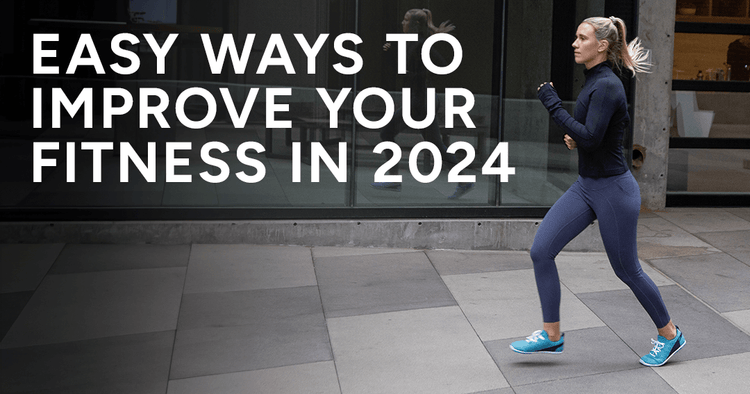
Easy Ways to Improve Your Fitness in 2024
We asked fitness experts for achievable tips to elevate your fitness game this year. We're not talking about extreme makeovers; we're talking about small, sustainable changes that can make a big difference. Keep reading for expert tips on walking, running, workouts, and more. Your Fitness Experts Muscle by Maria "Walking is a simple, yet effective way of improving your overall health. Studies have found that aiming for a daily step count of 7,000 to 10,000 steps can contribute significantly to: Cardiovascular fitness Weight management Mental well-being Cognitive function Prevention of chronic diseases. Additionally, regular walking increases daily NEAT (Non-Exercise Activity Thermogenesis), which plays a significant role in your overall calorie burning and metabolic health." Follow Muscle by Maria for more fitness tips. www.musclebymaria.com Instagram: @musclebymaria Karl of LIV Better Fitness "Are you feeling the effects of aging, such as aches and pains you didn’t have before? As a busy parent, age seems to catch up to you in a hurry. You need to address these things now, rather than later. Everyone focuses on strength training and cardio, but few prioritize mobility and flexibility. All that you need to do is dedicate 10-15 minutes each day to basic stretching and mobility exercises, focusing on quality movement and range of motion. Target your weaknesses, rather than avoid them. Incorporate these into your warmups and cool-downs to save time. Trust me, your ankles, knees, hips, and shoulders will thank you." Follow Karl of LIV Better Fitness for more fitness tips. www.livfitkarl.com Instagram: @LiveFitKarl Kristina of Fit & Bendy "A little bit of exercise is vastly better than no exercise at all. Not every workout has to be a 10 mile uphill sprint! If you are feeling tired, busy, or injured, just do what is available to you even for just a few minutes here and there. Doing clamshells while watching a movie is still exercise, and it’s still worth doing." Follow Kristina Cañizares of Fit & Bendy for more fitness tips. www.fitandbendy.com Youtube: @FitandBendy Born To Run Coach, Eric Orton "How To Start Running Successfully:The biggest mistake beginning runners make is running too hard and doing it for an outcome like weight loss or fitness. So try these steps for success:When first starting, only run at a FUN, enjoyable effort. Include walk breaks to keep the effort easy. Run for as long as it is fun, and then stop and walk. Run less, but more often. Keep it fun, and the fitness will follow." Follow the Born to Run Coach, Eric Orton, for more fitness tips. www.ericorton.com Youtube: @BornToRunCoach Instagram: @borntoruncoach
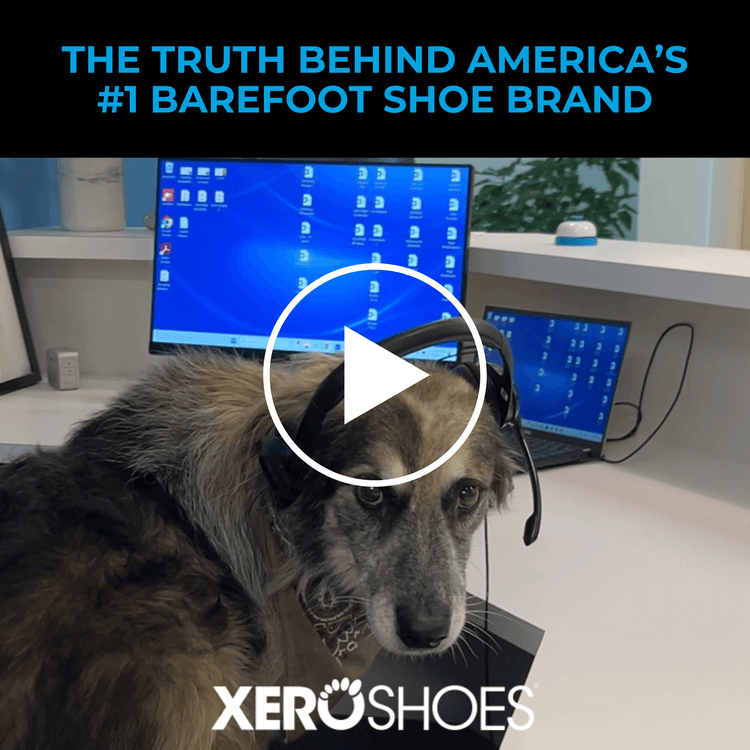
The Truth About America’s #1 Barefoot Shoe Brand
Are we barking mad for building a barefoot shoe brand?Go behind the scenes at the Xero Shoes "pawfice" with this hidden camera footage. WATCH HERE