latest News
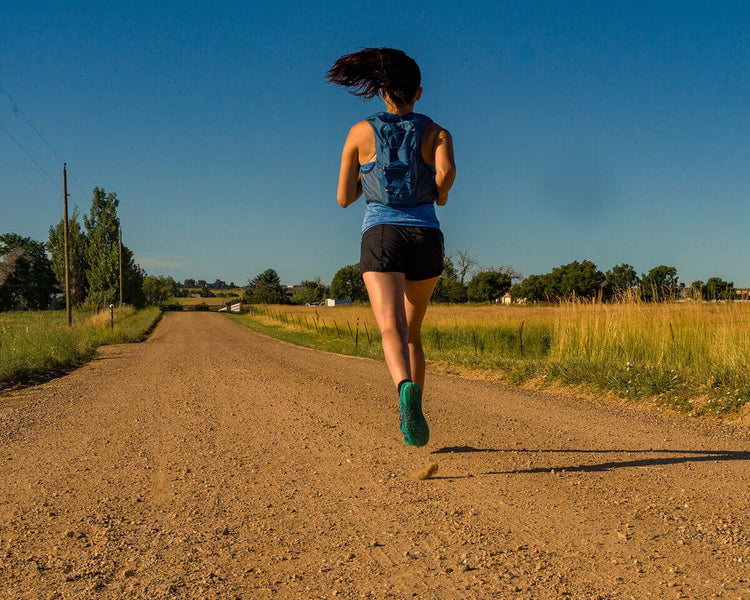
Marathon Training Tips
Your Training Guide to Accomplish Your Marathon Goals, With Advice From Professional Running Coaches Training for a marathon is not easy, and takes dedication and perseverance. Marathon training will become a full-time lifestyle change if you're serious about improving your performance. Yes, you will run a lot, but you'll also want to improve and optimize your diet, sleep schedule, and mental well-being. You'll push your body and mind to new lengths, testing your limits. But ultimately, if you don't care for your body while training, your body won't take care of you during the race. The phrase "it's a marathon, not a sprint" can also be applied to your training. With several months of run training ahead, you will benefit from a long-term approach. Ready to get started? Here are some marathon training tips from professional running coaches to make your next (or first) marathon your best one yet. Featured Contributors: Jerry Macari Amie Dworecki Laura Norris Amanda Brooks Matthew Boyd Matthew Silver Marathon Training To complete 26.2 miles, you’ll need to train well. Training for a marathon involves significant commitment, preparation, and planning. When it comes to training, everyone is different. No one's genetic talent, goals, and health are the same, affecting how you train and the best plan to follow. Here are some tips to keep in mind that will help you train for a marathon: Training plans Speed workouts The running plateau Long runs Form and posture Warm-ups and cool-downs Breathing Strength training Running gear Hydration Fuel Listening to your body Training Plans Proper training is essential to successful marathon training. Because we are all different, there isn’t one strategy or plan that works best for everyone. You’ll want to find the best plan that works best for you. Each plan will include various types of runs at different paces, intensities, and distances. Choosing the best plan will depend on the following factors: current fitness running history injury history short and long-term goals work/life balance Most training plans last 4 to 5 months long. You’ll likely run 3-5 times per week, and have recovery days where you may do light cardio. Your running plan will increase overall mileage as you progress, preparing you to accomplish your marathon goals on race day. “Train from where you currently are - not where you want to be. It's better to reach race day feeling like you could have done more in training, than to feel completely wiped from an aggressive training plan. Look at your current weekly mileage and use that as a starting point for picking a marathon training plan.” -Laura Norris “Because we are all individuals, there isn’t one strategy that works best for everyone. The appropriate training depends on multiple factors, including your training history, time you can dedicate, race goals, marathon course, and personal strengths and weaknesses. Rather than mindlessly following a static plan, a good training plan is dynamic and adapts to you, your environment, and fitness level. A common mistake runners frequently make is to use the same training plan repeatedly.” -Amie Dworecki Speed Workouts You may not think you’ll need to focus on sprint speed for marathon training - after all, you’re training for a 26.2-mile run that you’ll need to sustain a consistent pace. But adding speed workouts to your marathon training can be important for performance come race day. “Always maintain your top end sprint speed. This skill will confirm muscular strength, range of motion and technique resulting in better running economy as well as injury prevention. Workouts like 10 X 100 meters along with weight training should play a critical role in all runners training programs whether you’re a miler or marathoner.” -Jerry Macari Long Runs Your training plan includes your long runs, which help you maximize your mileage as marathon day approaches. These are completed every week to two weeks. Each long run will be longer than the previous week as you progress through your plan. Though they are typically completed at an easy, comfortable pace, the mileage of long runs can make it a tough run. Ultimately, long runs help improve endurance and fight fatigue during a marathon. “To ensure success on race day, any aspect of training should be mastered by repetition. This includes long runs specific to marathons. Your maximum long run should be achieved as early on in the training process as possible, so it can be repeated to the point of relative ease.” -Jerry Macari The Running Plateau Running plateaus occur when we're working hard, building endurance, getting faster… and suddenly, the improvement you're used to seeing each week comes to a halt. Most runners experience this "plateau" to varying degrees. Though it can be a frustrating and demotivating experience, there are a few strategies to work through this. Tips: Consider adding a rest day Reduce mileage Try more strength training Make sure to do a thorough warm up and cool down Focus on diet and sleep Be patient and stay positive! Running Form Your running form matters. The correct form will keep you running efficiently and comfortably, fight fatigue, and prevent common injuries like runner’s knee or IT band syndrome, among others. Here’s how to implement good running form and avoid bad habits during your training. Tips: Keep your head up, and your back straight. Pull your shoulders and position them gently backward . Keep your tight core as you run to improve your posture. Let your arms swing forward to backward instead of side-to-side, Keeping a stable torso as you move. Have your feet land under your body. Make your feet light when they land on the ground. Instead of “plopping” your feet, have them lightly hit the ground, as if you were walking on hot coals. Warm-Up and Cool Down Take the time needed to do a proper warm up and cool down as part of your training. Starting your run with warm up exercises keeps the body limber, and prevents injuries. A cool down to end your run boosts your recovery, reduces soreness, and allows your heart rate to return to normal. Tips: Dynamic warm-up exercises: try jumping jacks, knee-to-chest, arm circles, mountain climbers, walking lunges, and opposite toe touches. Cool-down static stretches: hip flexor, hamstring, quad and lower back stretches. Cool-down cardio: Slow jogs (3-5 minutes), walk or yoga poses. “One small thing that changes the game for many is the willingness to spend 5-10 minutes on a dynamic warm up. They find that the run immediately feels better, their heart rate doesn't spike and it's a great chance to sneak in prehab movements that prevent injuries. This can be as simple as some leg swings, lunges, planks, heel toe walks and then some walking to start.” -Amanda Brooks Breathing Proper breathing is important for marathon training. Breathing during your run helps reduce the chances of fatigue or injury, and helps with efficiency and performance. Focusing on your breathing technique while you run may take some practice to get used to, but will help you achieve your marathon goals. “A simple breathing exercise called “Breath Anchoring” as part of your marathon training. Start by inhaling for 3 seconds and exhaling for 6 seconds. The goal is to get your body more accustomed to higher levels of CO2 in your bloodstream - higher levels of CO2 actually allow you to use MORE of the oxygen you inhale! First practice these breathing exercises while NOT running, then try them on an easy run. It may be challenging and uncomfortable at first, but should get easier as you continue.” -Matt Silver Strength training When it comes to improving your performance, strength training will be important for runners. Adding a strength training program to your training can help you run faster, avoid injuries, and improve your endurance during long-distance runs. “Strength training improves running performance and helps prevent injuries. You need to make sure the weight is heavy enough to make you stronger. Aim to incorporate 1-3 sessions per week into your schedule. Focus on compound exercises like squats, lunges and deadlifts. Use weights that are so heavy that you can’t do more than 8 reps per set.” -Matthew Boyd “Strength training is an important part of building tolerance to the forces of running and allows you to handle that force especially over a distance like the marathon. Every step you take when running is equivalent to 2x to 2.5x your body weight on one leg.....that's a lot of force! Three exercises you should be performing throughout the marathon training cycle are the Bulgarian Split Squat, the Deadlift, and the Soleus Calf Raise. Do 5 sets of 5 repetitions 3-4 times a week, then decrease the volume 2 weeks before race day.” -Matt Silver Running Gear Runners need gear to train that is comfortable for training. You won’t get to choose the weather we train in, so you’ll need the best gear to train your best for every possible condition. Tips: In many cases, you should wear less clothing than you think. Too many layers of clothing can lead to dehydration. Test out items like socks, shoes, and clothes, so you’re comfortable with them for the big day. To avoid chafing, consider opting for quality apparel that fits you well. In addition, there are several skin-treatment products designed specifically for lubricating high-friction areas of the body. Hydration Proper hydration should not be overlooked during your training, before, during, and after your runs. Your water intake will help you complete your training and marathon. Tips: Drink at least 400 ml of water per hour while running. Throughout the run, fuel with a gel every 25-40 minutes and 8-16 ounces of electrolytes every hour. Consider using an electrolyte drink, particularly for a long run or a run on a hot and humid day. Monitor the color of your urine. Pale yellow or light straw-colored urine typically indicates great hydration. If you notice a darker yellow or amber-colored urine, it may signal you’re dehydrated, and you should improve your water intake. Stay well-hydrated as much as you can, and not just on run days, or in preparation for your run. “Hydration is one of the overlooked pieces of run fueling. But one of the main reasons many runners struggle with stomach issues on the run is due to dehydration or not enough fluids when consuming gels. So learning to start the run well hydrated and then keep sipping is a big win.” -Amanda Brooks Fuel Fueling properly before and during a run helps support your energy levels and performance. Consider a sports drink or running gel to maintain your endurance on your scheduled long run days. “While drinking water is helpful before, during and after your runs, focus on drinks that have electrolytes. This doesn't have to be Gatorade! There are plenty of brands of electrolyte powders that don't have an excessive amount of sugar in them. Just add water.” -Matt Silver “One of the most important things in marathon training is learning how to fuel your long runs. Your body burns carbohydrates for energy while running. If you do not replace those carbs during long runs, you may struggle to complete the distance and recover afterward. The current recommendation is 30-60 grams of carbs per hour as a starting point, from sources such as running gels and sports drinks. Start small: try a gel on a shorter run. As you feel more comfortable, build up so you can take a gel roughly every 25-30 minutes on race day.” -Laura Norris Listen to Your Body Training through pain or injury is counter-productive to improving your performance. A disciplined runner knows when to pause or modify their training to recover from an injury or muscle soreness. You need sleep, rest, and time off to heal and be able to train in the long run. Tips: If you’re too sore or tired, take time off from training. Keep a training log of how you’re feeling. If you happen to injure yourself from training, monitor your symptoms. Consider rest or doing light-intensity cardio - swimming and biking or two great alternatives. Modify your training as your body needs. “Aches and pains with marathon training are inevitable. We runners often call them ‘niggles.’ We need a strategy to make sure we don’t develop a full injury. I recommend using what I call ‘pain traffic lights’. Green Pain (0-3 scale) means you should continue training but get it checked by a Physio Orange Pain (4-7 scale) means modify training and work with a Physio Red Pain (7-10 scale) means stop training and start rehabilitation By following these ‘pain traffic lights’, you can take the necessary action to prevent further injury.” -Matthew Boyd Training Recovery: Training for a marathon can be exhausting both physically and mentally. You’re putting your body through a lot during a four-month span of time. Recovery will play a pivotal part in marathon training. Proper recovery helps you sustain performance over a long period of time, helping you bounce back quicker and reduce your chances of injury. Here are some tips for recovering from marathon training: Rest days Stretching Massage and foam rolling Light cardio Nutrition Hydration Sleep Burnout Rest Days Rest days are critical for marathon training. Runners should take at least one rest day per week to focus on recovery from your running. Rest days are essential for your physical and mental health as you train. Your body needs the time necessary to rest between runs. A worn down body can lead to fatigue, making you more prone to injury. Fatigue from training can also lead to a lack of motivation during your training plan. So, take the time necessary to rest up because your body will thank you in the long run. “All recreational marathoners will benefit from one rest day per week. A rest day allows your body to recover on a cellular level - and it is during this recovery that you actually adapt to training. A rest day is truly a rest day: no cross-training, strength training, or strenuous activity. Some runners may even do best with two rest days per week, depending on their experience level and life stress.” - Laura Norris “Running doesn’t make you fitter. Running and resting make you fitter. Getting the balance between running and rest can be tricky, but a helpful guideline is to reduce your weekly mileage by 25-50% every fourth week during your training program. This allows your body an opportunity to adapt to the training and get fitter.” -Matthew Boyd “While many define their training by the amount of running, the actual amount of productive exercise is usually far less. Easy days to fill in mileage goals do very little to improve fitness and can actually be counter-productive at times as they don’t allow for real recovery or adaptation. Consider replacing an easy day of running low mileage with a full rest day and view it as a pro-active smart choice.” -Jerry Macari Stretching Stretching is an important part of your warm-up and cool-down when you run. Stretching on recovery days is also important because it can reduce muscle soreness and promote quicker recovery. Include stretching as part of your daily or weekly routine. Tips: Use these stretches as part of your training: Low lunge stretch Hamstring stretch Butterfly stretch Quad stretch Calf stretch Light Cardio Low-intensity cardio helps improve blood flow and keeps muscles loose, without adding significant stress to the body. Light cardio can be done at about 50% of your maximum heart rate, and worked into an active recovery day, incorporated 1-2 times per week depending on your recovery rate. Try to include walking, yoga, mobility work, swimming, and light biking to get some light cardio work into your routine. Nutrition If you want to get the most out of training, your diet should be optimized to help you improve your performance. Some runners may not fully consider the importance of nutrition to support their training. If you find that your training has stalled, or you are feeling more aches and pains, it could be improper nourishment. Eating the right foods will keep your training going successfully. Tips: Carbohydrates provide energy for your runs and workouts. Prepare meals with whole grains, vegetables, legumes, and tubers. Healthy fats are good sources of dietary fat for runners. This includes nuts and nut butters, seeds, coconut, avocado, fatty fish and fish oils, and healthy oils like olive oil and flaxseed oil. Inflammatory foods will slow down your recovery. Anti-inflammatory foods like tomatoes, spinach, kale, and collards, almonds and walnuts, salmon, strawberries, and blueberries can help reduce inflammation. “Nutrition is something marathon runners may incompletely consider during training. The wrong fueling can harm overall health because the high volume of energy that marathon training requires can create nutritional deficiencies. Conversely, incorrect fueling can cause excess hunger at the wrong times, leading to unexpected marathon weight gain as your mileage builds. Runners should focus on the amount and timing of their fueling – before their runs, during, and after. Additionally, runners should consider the amount they eat each day and their macronutrient composition (how much of the energy comes from carbohydrates, protein, and fat) to ensure their energy is where it needs to be.” -Amie Dworecki Hydration Staying hydrated is essential for runners. Running and sweating increases the amount of water needed. Dehydration can impact your level of performance during training, especially after those hot and grueling runs. Staying hydrated before, during and after your runs will help with endurance and performance. Tips: Drink about 2-3 ml per pound of body weight at least 4 hours before your run. Drink at least 400 ml of water per hour while running. After your run, the American Council on Exercise recommends that you drink 16–24 fluid ounces for every pound lost while running or exercising. Sleep For long-distance runners, sleep is an important part of training to prioritize - particularly for those with busy schedules. Quality sleep starts with sticking to a consistent sleep schedule. You should plan to get 7-9 hours of sleep per night during your training. Tips: Avoid excessive phone use before bed (this can be a difficult habit to break). Consider reading a book instead. If you wake up and can’t get back to sleep, use natural sleep aid remedies like warm milk, and chamomile tea, which is caffeine-free. Blackout curtains make sure your room remains dark, which should help you get better sleep. Room temperature should be slightly cool, ideally between 60-70 degrees. “Busy lifestyles can simultaneously help us think we can shorten our sleep without much consequence; yet, this can demolish your marathon goal instead. Sleep has performance-enhancing benefits, and improving the quality and quantity of sleep may give you the biggest bang for your buck. One aspect often not considered is not only the amount, but the timing. Our internal circadian clock controls the optimal function of our entire bodies, and maintaining the same bedtime and wake-up time keeps this circadian timing on track so you can function, recover, and perform your best in your running (and life!).” -Amie Dworecki Mental Health & Burnout Mental rest helps prevent burnout and fatigue. You’re spending months training and sacrifice, and you want to remain dedicated and enthusiastic during your training! Tips: Spend some quality time with family and friends. Re-find your marathon motivation - what’s your reason for running the marathon? Keep sight of the end goal and your reason for running a marathon. Enjoy the process! Celebrate your wins and successes along the way to your ultimate goal. “Burnout is all too common in marathon training. 20 weeks can be a very long time and the weekend miles start to feel extra long. That's when it's important to make sure you aren't running too hard on your easy days and to come back to the fun of running. Trying new routes, going with friends, picking a new podcast, whatever it takes to keep training enjoyable.” -Amanda Brooks Get Training and Good Luck! Completing a marathon is challenging, which is what makes it so special when you cross the finish line. Reaching your marathon goals is only possible with proper training. Follow these marathon training tips and enjoy the process. How to use barefoot running for marathon training Most high-level marathon runners use barefoot training for various benefits. Quite a few even run marathons and ultramarathons in barefoot shoes (and sandals!) If you are unfamiliar with barefoot shoes, they are different from your normal running shoes. Unlike “normal” running shoes with elevated heels, pointy toe boxes, stiff soles, and unnecessary padding, these are minimalist-style shoes that mimic being in bare feet Here’s how barefoot shoes can help with marathon training: Active recovery - with a flexible sole, wearing a barefoot shoe can aid blood flow and muscles and tendons moving. Foot strength - Research shows that merely walking in a barefoot shoe builds foot strength. And further research shows this strength can reduce the risk of running injuries by 250% over the course of a year. A free ebook detailing these studies is at https://footweartruth.com/250/ Instant feedback - barefoot shoes provide your body instant feedback on running form, which can improve efficiency. Lightweight - barefoot shoes weigh less than typical shoes; therefore, should you choose to run in them, you’ll be using less energy to move your feet. Want to try a pair of shoes or sandals? Click here to see the range of casual and performance shoes, boots, and sandals from Xero Shoes. Interested in adding some barefoot-inspired training? Click here to learn how to run barefoot. Thanks for reading, and best of luck to everyone! Our Contributors A special thank you to the running coaches who contributed to this article. Meet the contributors here. Laura Norris Laura Norris is a certified running coach, personal trainer, and sports nutritionist. She has her master's degree in Applied Exercise Science and has been coaching runners for seven years. She regularly publishes training tips at Laura Norris Running. She is a runner herself, with a marathon PR of 3:29 and a half marathon PR of 1:34. Laura’s Marathon Training Tips: Train from where you currently are, not where you want to be. Replace those carbs your body burns during long runs Take rest days that are truly rest days at least once per week Website: lauranorrisrunning.com | Instagram: @lauranorrisrunning Jerry Macari Jerry Macari is the founder and head coach of Urban Athletics NYC. He has 35 years of coaching experience, having received the first issued USATF coaching certification in 1986. He has coached countless runners to PRs and guided multiple New York Road Runners Runner Of The Year and nominees, National USATF Champions and medal winners. He has been voted New York Road Runners Master Runner Of The Year, been nominated numerous other times, and been awarded the USATF Open Road Runner Of The Year. His vast experience and knowledge have helped runners attain their running goals. Jerry’s Marathon Training Tips: Maintain your top end sprint speed. Achieve maximum long run as early on in your training. Replacing an easy day of running low mileage with a full rest day. Website: urbanathleticsnyc.com | Instagram: @urbanathleticsrunclub Amanda Brooks Amanda Brooks is a long time running coach and founder of RunToTheFinish.com. She's worked with thousands of middle of the pack runners to avoid injuries, find the fun in running and hit their goals. Amanda’s Marathon Training Tips: Spend 5-10 minutes on a dynamic warm up before a runs Stay hydrated when consuming gels Try new things to make your training enjoyable Website: runtothefinish.com | Instagram: @runtothefinish Amie Dworecki Amie Dworecki is CEO and Head Coach of Running with Life, LLC, a professional holistic run coaching company. She has obtained six certifications in run coaching and has over three decades of experience as a coach and trainer. She is a former World Record Holder for running marathons on all continents with 43 years of running experience as a multiple-time qualifier for the Boston Marathon and Western States Ultramarathon. Since 2015, she has helped runners prevent injuries and transform their fitness and performance to reach their goals and feel amazing with holistic, online marathon and trail/ultra run coaching. Amie’s Marathon Training Tips: Maintain the same sleep scheduled to keep your circadian timing on track. A good marathon training plan is dynamic and adapts to you, your environment, and fitness level. Focus on the amount and timing of their meals in relation to their runs. Website: runningwithlife.com | Instagram: @runwlife Matthew Silver Dr. Matthew Silver is a running coach, educator, physical therapist, and founder of Alpha Project Phyzio & Performance based in Maryland. As a distance runner of 15 years, he works directly with other long distance runners to help them remain injury-free. Matthew’s Marathon Training Tips: Practice “breath anchoring” - inhale for 3 seconds and exhale for 6 seconds. Incorporate Bulgarian Split Squat, the Deadlift, and the Soleus Calf Raise for strength training. Focus on drinks with electrolytes. Website: alphaprojectphyzio.com | Instagram @alphaprojectphyzio Matthew Boyd Matthew Body is a physiotherapist and running coach that works directly with injured runners to help them get back to running. Matthew’s Marathon Training Tips: Strength training with heavy enough weights will improve running performance. Use the “pain traffic light” to scale the severity of an injury. Rest is an important part of getting fitter. Website: matthewboydphysio.com | Instagram @matthewboydphysio
Best Gifts For Fitness Lovers: Xero Shoes Guide
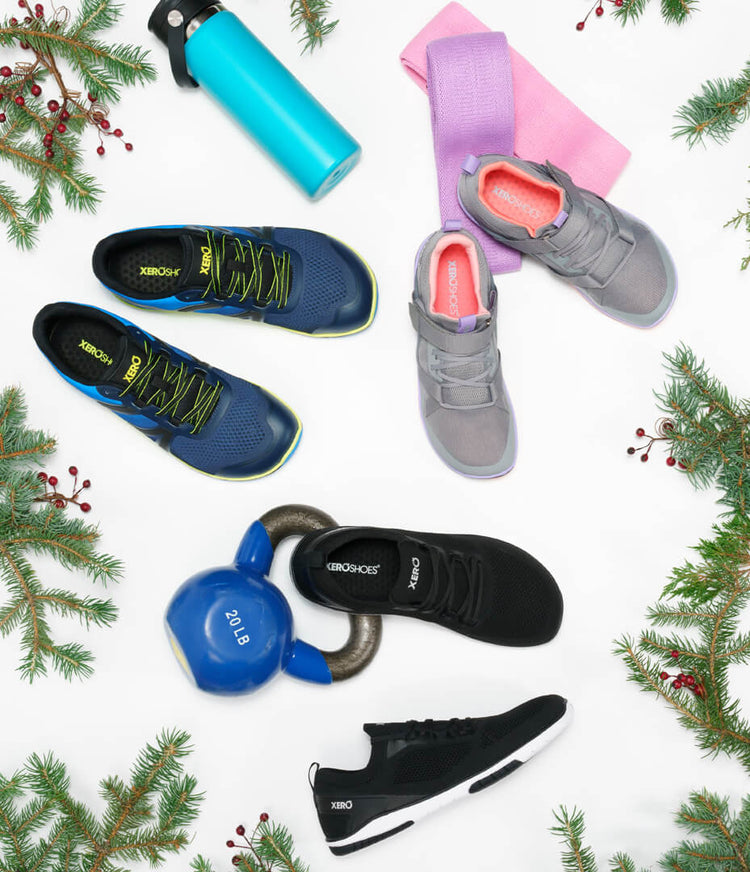
Best Gifts For Fitness Lovers: Xero Shoes Guide If your fitness-loving family and friends have it all, skip the ordinary gifts and give them barefoot shoes from Xero Shoes. Whether they like to lift weights, play pickleball, run or tackle bootcamps, you can surprise them with a barefoot fitness shoe for any activity. What makes Xero Shoes the perfect fitness gift? Our workout shoes are designed to fit like a sock on your foot, featuring a comfortable wider, foot-shaped toe box and zero-drop sole. When you hit the gym in Xero Shoes, did you know that you’re working your feet just as well as your muscles? Barefoot strength training can offer better balance and stability, improved proprioception, and better form. Plus, Xero Shoes are the gift that lasts longer, since all shoes have a 5,000 mile sole warranty. Find a Xero Shoe for the Fitness Lover in your Life Gift for the Lifter: Forza Trainer The Forza Trainer is made for weight lifting and CrossFit. The bootie-style construction and instep strap provides a more custom fit, ensuring you stay stable and secure. Forza Trainer - Men SHOP MEN Forza Trainer - Women SHOP WOMEN Gift for the Stylish Gym-Goer: Prio Neo The Prio Neo is a sleek performance training shoe that’s ready for action at the gym, your bootcamp or CrossFit class. Breathable, moisture-wicking mesh keeps feet cool for all-day comfort, so you can go from the gym to the rest of your day. Prio Neo - Men SHOP MEN Prio Neo - Women SHOP WOMEN

Xero Shoes Gift Guide for Outdoor Enthusiasts Men and Women
Best Gifts for Outdoor Enthusiasts: Guide for Men & Women Find The Perfect Xero Shoe For Your Outdoor Adventurer If your outdoor-loving family and friends seem like they have all the gear they need – tents, stove, backpacks, jackets, etc – make their next outdoor adventure a little more comfortable with barefoot hiking shoes, boots, or sandals from Xero Shoes. Whether they backpack, camp, fish, trail run, surf, or snowshoe… they’re bound to be surprised. What makes Xero Shoes the perfect gift for outdoor enthusiasts? Our outdoor shoes, boots, and sandals are so that they’ll forget they’re wearing them. The wider, foot-shaped toe box and zero-drop sole makes it feel like you’re wearing nothing. Plus, Xero Shoes are the gift that lasts longer, since all shoes have a 5,000 mile sole warranty. Gift for the Stylish Hiker: Ridgeway The Ridgeway looks good and feels comfortable, perfect for that person who curates their hiking outfit and always looks put-together in their hiking photos. Waterproof suede keeps feet dry and a grippy sole performs on various hiking surfaces for epic pictures. Ridgeway - Mens SHOP MEN Ridgeway - Womens SHOP WOMEN Gift for the Camper: Sunrise For campers with chilly feet in the mornings or evenings, the Sunrise is easy to slip on or off when they’re getting in and out of their tent. The microfiber suede feels so soft and is even water-repellant, so they don’t have to worry about the morning dew. Sunrise - Men SHOP MEN Sunrise - Women SHOP WOMEN Gift for the Skier/Snowboarder: Alpine After a day of shredding the slopes, there is no better relief than taking off stiff, heavy boots. That’s where the Alpine snow boot is like a welcome hug for tired feet. Plus the 200g/sq. in. polyester insulation, heat-reflective insole, and a fully seam-sealed lining give you the warmth your feet need. Alpine - Men SHOP MEN Alpine - Women SHOP WOMEN Gift for the Lightweight Backpacker: Scrambler Mid The Scrambler Mid is a “do it all” lightweight hiking boot for the hikers in your life who are always looking to shed weight without sacrificing performance. A Special Michelin sole differentiates this boot and makes it more agile, flexible and lighter than others. Scrambler Mid - Men SHOP MEN Scrambler Mid - Women SHOP WOMEN Gift for the Surfer or SUPer: Aqua Cloud Before hitting the water or waves, they will arrive at theto the beach in style with the color-popping Aqua Cloud. The adjustable straps ensure the best fit for any foot, and this sandal even floats, so if they drop it in the water they won’t lose it. Aqua Cloud - Men SHOP MEN Aqua Cloud - Women SHOP WOMEN
Can Barefoot Shoes Help with Posture? What to Know
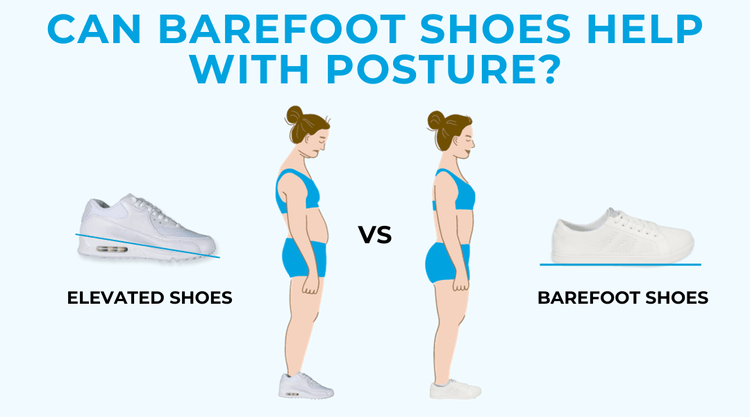
How Can Barefoot Shoes Help With Posture? Excellent posture is not just about your physical appearance - it’s a cornerstone of your long-term health. And believe it or not, the secret to achieving better posture lies beneath your feet. The footwear you choose can negatively impact your posture. The right type of shoes can help correct posture, providing comfort and better alignment for your body. Let's take a look at posture to see how the wrong footwear can cause problems, and how the right footwear could help your posture. What Does Healthy Posture Look Like? Proper posture means that your spine should be properly aligned when you stand. There are natural curves in your lower back, mid back, and neck, but excessive curvature in any of those places or flattening in any of those places can be problematic. There are two types of posture: dynamic and static. Dynamic posture is how your body aligns during movement, for instance, walking, running, or bending over to pick up something. Static posture is how your body aligns when you are not moving, like sitting, standing, kneeling, or lying down. How Bad Posture Affects the Body Many people take good posture for granted until they notice negative effects. Poor posture can have far-reaching consequences that affect our physical well-being. Here are some of the effects of bad posture to be mindful of: Misalignment of the musculoskeletal system Poor circulation Imbalances in the body Pain in the back or neck Increased number of injuries Stress on the ligaments and joints Lack of range of motion Decrease flexibility Tight muscles Weakened muscles Difficulty breathing Poor balance Decreased efficiency in daily life or athletic performance What Causes Bad Posture? Several factors contribute to poor posture. You may be doing some of these things and not even realize it. Here are some common causes of poor posture: Prolonged periods of sitting: Having a sedentary lifestyle, you spend prolonged periods sitting or hunching over a desk, which can negatively affect posture over time. Not getting enough exercise can weaken the muscles that support your posture. Carrying excess body weight can strain the musculoskeletal system. Poor ergonomics in the workplace. This can commonly include improper desk setup, sitting for long periods of time, or incorrect positioning of computer screens. Sleeping position: Sleeping in positions that do not support proper spinal alignment. Stress, anxiety, and emotional tension leads to muscle tightness and increased muscle tension. Wearing improper footwear. Shoes can affect posture, disrupting your foot's natural ability to offer a stable base for your body. At this point, you may be thinking, “what is improper footwear?”. We’ll review characteristics of shoes that can negatively affect posture, and what kind of footwear can help you have correct natural posture. The Problem With “Normal” Shoes Many “regular” shoes can actually cause posture problems.. Here’s how shoes can impact posture: Elevated heels of “normal shoes” move your center of mass forward. This alters the body's natural alignment and can put extra pressure on the balls of the feet, ankles, hip, knees, or back to adjust for that change in center of mass. Padding that “normal shoes” typically have can negatively affect your posture. When foam cushioning wears out unevenly it can misalign your feet and ankles, which creates issues for your knees, hips and back. The narrow toe box of most conventional shoes can squeeze toes together and hinder natural toe splay. This can affect the overall stability of the feet, affecting the body's balance and posture. Thick, Stiff Soles reduced sensory feedback affecting proprioception and balance. Your feet need to provide sensory information to your brain so you can move your body effectively and efficiently. When we lose touch with the ground, our body may lose its ability to make micro-adjustments that help us maintain proper dynamic posture. How does this compare to barefoot shoes? They don’t have these issues. How Barefoot Shoes Can Help With Posture Barefoot shoes are designed to help improve your posture. While regular shoes can negatively impact posture, barefoot shoes mimic the feeling of being barefoot while providing the appropriate protection for your feet. Barefoot shoes can help improve posture in a few ways: No Heel-Toe Drop: Most shoes have an elevated heel, which shifts your center of mass forward. This forces you to adjust with your ankles, knees, hips, and back. Where you will feel the stress depends on which one of these joints is least supported by your muscles, ligaments, and tendons. Barefoot (or “minimalist” ) shoes do not elevate the heel. This can keep the body in a neutral alignment and keeps the body weight centered over the feet. Thin (but protective), Flexible Soles: Barefoot shoes have a thin yet protective sole, so you can safely FEEL to ground and give your brain the feedback needed to make dynamic postural changes. Wider, Foot-Shaped Toe Box: In the same way spreading your fingers provides balance doing pushups, spreading your toes provides you with better balance while you stand, walk or run. Barefoot shoes feature a wider toe box, which gives your toes the freedom to spread out for better balance, stability, and posture. Additional Tips to Improve Posture Aside from wearing barefoot shoes, here are some other tips to improve your posture that you can begin including in your daily routine: Be Mindful: Being aware of your posture, whether sitting or standing, is essential. Take a moment to check in with your body throughout the day. Make sure your body is properly aligned. Take Regular Walking Breaks: If you have a sedentary desk job, it's important to incorporate movement throughout the day. Set reminders to get up and take short walks, stretch, or do simple exercises. Vary your movements: By doing a variety of movements, you can help strengthen the muscles that support proper posture. This promotes muscle balance, flexibility, and core stability - all of which contribute to improved posture. Maintain a Healthy Weight: Carrying excess weight can place additional stress on your muscles, joints, and ligaments, affecting your posture. Strive to maintain a healthy weight through a balanced diet and regular exercise. What people are saying about improved posture and barefoot shoes from Xero Shoes.. “I work as an ER charge nurse and I’m on my feet nonstop for 12 hour shifts. I recently purchased the prio shoes to use for work and they have been amazing. I was even told that I appear to be walking with better posture. Hopefully I can help others discover the benefits of these shoes.” “I’m on my feet for 12+ hours and I needed shoes that give my feet plenty of support and that fit my foot. The barefoot feeling is ideal for my posture and for the anatomy of my foot. This is my second pair of Xero shoes and they did not disappoint!” Making the Switch to Barefoot Shoes If you’re ready for improved posture, it’s time to slip into a pair of barefoot shoes. Switching from a “normal” shoe to a barefoot shoe may be a bit of an adjustment, given the differences between the two. The phrase “transition slowly” is a common recommendation people will tell you. And while this isn’t wrong, transitioning to barefoot shoes is less about how quickly or slowly you make the change, and more about HOW you make the transition and not the length of time it takes. FEEL What You’ve Been Missing; Natural Comfort, Posture, and Health Barefoot footwear helps you FEEL the ground you’re walking on, and comes in many different styles of shoes, sandals and boots. Not sure what type or style of shoe you want? Use this shoe finder quiz to find a few recommended shoes for you. The content of this post does not constitute and is not intended to be a substitute for professional medical advice, diagnosis or treatment. Always seek the advice of a physician or other qualified health provider with any questions or concerns you may have about your health or a medical condition.
Running for Mental Health
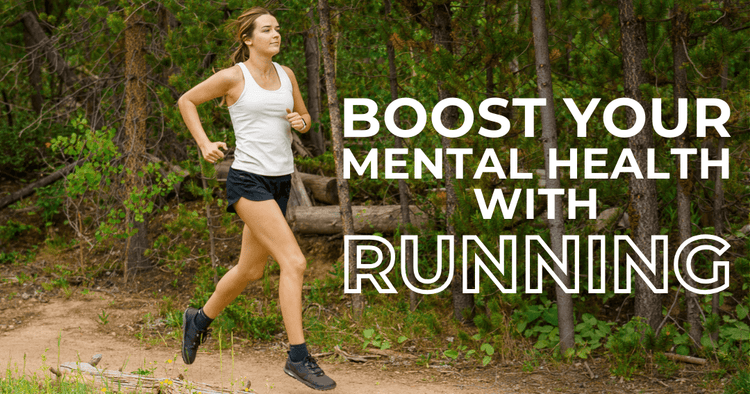
The benefits of running go far beyond physical health; Running can have a profound impact on our mental health and well-being. In fact, some avid runners may go as far to say “running is like free therapy”. We all hit challenges, setbacks, or losses in our lives. When these challenges occur, many turn to running as a way to work through them. In this article, you’ll discover the effects of running for mental health, and learn about a few organizations that use the power of running to make a difference in the lives of others. Mental Health Effects of Running Like many forms of physical exercise, running can be used as a way to control stress and boost the body's ability to deal with mental tension. Here are a few effects of running that can be used to improve mental health. Reduce Anxiety and Depression Seeking professional help is always a good idea for treating depression and anxiety, however, increasing exercise is an additional step to help reduce symptoms. For those who feel anxious or struggle with depression, running can be an impactful way to help manage symptoms. Here are some of the mental health benefits running can provide: Going on a run releases pent-up physical and mental tension. This offers a cathartic outlet for anxiety built up throughout the day. The rhythmic motion and cardiovascular exertion help to loosen the grip of tension in the body, allowing you to feel calm and relaxed. Your body releases hormones called endorphins during a long run. Endorphins boost the release of dopamine, which act as mood enhancers. Anxiety and depression often disrupt sleep, leaving individuals feeling fatigued and depleted. Running can help to improve the quality of sleep, leading to a more stable emotional state. In a study done on adolescent girls, running was shown to boost their sense of self-esteem. Running brings your attention to the present moment, away from anxious thoughts you may be having. This makes running a great tool for those dealing with anxiety and panic disorders. Successfully overcoming obstacles and celebrating achievements is vital for our sense of self-worth. After going on a long run, it can help you feel accomplished, giving you a mental boost. Manage Stress Everyone has stress in their lives and we may experience stress in different ways. When our stress levels get too high, it’s essential to find effective coping strategies. Whether it’s work-related, or a change in your personal life, running is a physical activity that can help manage stress. When you run, your body releases endorphins, the chemicals that make you feel happy. A Runner’s High can be experienced after a long run, your brain gets a nice hit of endorphins that help your body feel calm and relaxed. Here are some ways that running can relieve stress: Regular aerobic exercise helps to regulate levels of cortisol and adrenaline in the body, which are the main stress hormones. Mindfulness: running can serve as a form of active meditation. This allows you to focus your attention on the present moment and tune out stress-inducing thoughts. Research shows that even 30 minutes of moderate exercise, including running, can improve the quality of your sleep. This contributes to better stress management throughout the day. Help Overcome Addiction Substance use disorder (SUD) is a dangerous disease that affects the lives of many. The World Health Organization estimates that, globally, about 35 million people deal with drug use disorder. In the United States alone, 19.7 million people aged 12 and over battled a substance use disorder in 2017. The road back from drug or alcohol addiction can be long and challenging, but running can help. Studies like this one suggest that running in group settings can help with substance use disorder. Many people facing addiction have turned to running to help manage their long-term recovery. Organizations That Use Running to Promote Mental Health Like running, being a part of a community can help your mental health. Community provides people with a sense of belonging, while feeling connected with others with similar interests, like running. When you’re a part of a community, you feel supported and you can better cope with challenges or difficulties you’re experiencing. A psychological sense of belonging is a greater predictor of depression than other factors, including social support, conflict, and loneliness. Loneliness is a major contributor to depression. Joining (or starting) a running club offers a sense of community to help combat feelings of isolation. That explains why, during times of pandemic-induced isolation, the percentage of athletes joining clubs (all sport types) on Strava grew by 37 percent in 2021. Participating in recurring running club events provides opportunities for social interaction and bonding, while reducing feelings of isolation. When you combine running and a community of like-minded people, you can better address your mental health. And while joining a running club can provide benefits for mental health and wellbeing, not every group has a specific focus on mental health. Here are a few organizations that do emphasize mental health through running as a way to connect with others. Sasha Wolff, Still I Run An Organization That Addresses Anxiety, Depression and Mental Health Issues Through Running Still I Run is a community that promotes mental health through the benefits of running. Their mission is to raise awareness of mental health issues, and put an end to the stigma. What was the origin story of how Still I Run was created into what it is today? “In 2011 I was hospitalized for depression and anxiety. I spent a week at a mental health hospital and during that time I was taught how to manage my illness through medication and therapy. On top of that, the clinicians there suggested I start a healthy habit. Because I grew up with parents that casually ran, I figured I’d try that. I’d start running as my healthy habit. Shortly after being released from the hospital, I went for a walk with my dog. I thought that would be a good start to my running and I was right. Feeling accomplished after that first walk, I started going a little faster and further. Eventually I started running and noticed the physiological effects of movement for mental health. There was something going on in my brain where the symptoms of depression and anxiety were lessened because of my running (along with running, therapy and medication are also a part of my mental health toolkit). I wanted to connect with others who ran for mental health but couldn't find a group in my city. I broadened my search county-wide, then statewide, and then nationwide, but I was shocked to find no group in the country that ran explicitly for mental health reasons. For a few years, I kept looking for a group of mental health running warriors. Finally, on October 10, 2016 (also World Mental Health Day), I launched a Facebook page and a website called Still I Run. The goal was to find other people that ran for mental health and, at the same time, share my story of running for mental health. Shortly after launching Still I Run, people approached me, asking how they could donate and get involved. This made me realize there was a need for a community that rallied around running for mental health. In 2017, I decided to make Still I Run a real non-profit, and I haven't looked back since!” How does Still I Run use running to raise awareness for mental health and help put an end to the stigma? “Still I Run’s mission is to promote the benefits of running for mental health while also defeating the stigma surrounding mental health. We do this in a few ways. First and foremost is our programming. We have several programs that are hyper focused on mental health and running. The Starting Line Scholarship - This is a program aimed at helping people overcome any barriers they may have in running for mental health. We’ll provide them with shoes and other running apparel along with a 1:1 running coach and entry into a 5K or 10K. Our coach will work with folks for 10-12 weeks, helping them train for their race. The hope is that with our support, we’ll introduce individuals to the mental health benefits of running for mental health. Run Chapters - We have 15 run chapters across the U.S., and all are intentionally focused on being safe and inclusive. Our running groups focus on the mental health benefits of running. We’re not about PRs or performance... we’re about the mental health aspect. Ambassadors - We have over 150 individuals that are a part of our ambassador program and they all intentionally share their stories of running for mental health. We believe that one of the strongest ways to get rid of the stigma is by telling our truths so our army of ambassadors help amplify our mission with their own words. Team Still I Run - We’re charity partners for a few big marathons across the U.S. and as part of that, we have a team of runners who take these races on while raising money for us. While they raise funds, we work to elevate their stories of running for mental health. As they do outreach to raise funds, they’re helping to raise awareness of running for mental health.” What does mental health mean to you personally, and how has running helped you? “To me, mental health means life. It is something each and every one of us has across the world. It is something I mindfully watch and take care of, just like my body. Our mental health and physical health is so entwined that there is no separating it and they should be treated as equals when it comes to importance. Running helps me manage my symptoms of depression and anxiety and there is empirical evidence that says running (or movement) can improve anyone’s mental health. Running is a permanent part of my mental health toolkit which is made up of therapy, running, and medication. Now it’s my life’s mission to help everyone add running to their mental health toolkit. Regardless if someone has a diagnosed mental illness or not, running can help with your brain health.” Mike Ferullo, Boston Bulldogs Running Club An Organization That Addresses Addiction and Mental Health Through Running Mike started Boston Bulldogs Running Club, a non-profit running club established to provide an anonymous and safe community of support for all those adversely affected by addiction. How does the activity of running help those impacted by addiction? “Personally, running has helped me tremendously. As a recovering addict in the 1970s, I started running, and it helped me feel better. Transitioning to a normal and sober life, you deal with both trauma and the stress of adapting to daily responsibilities. Running helped me deal with emotions I was unfamiliar with while recovering from drugs. Now, as a drug addiction specialist, I’ve felt the missing link in the addiction field was exercise and community. You never regret going for a run (unless you’re injured). Even if the run sucks, you still feel great after. People in recovery can get attached to that good feeling after a run, and get immediate gratification with the release of endorphins. Running also provides the psychological benefits of self-esteem, discipline and the feeling of accomplishing your goal.” How has the environment of a running club helped members open up and combat isolation and loneliness? “I didn’t realize the full impact a running group would have on overall mental health and wellness. Healthy social connections make an unbelievable difference in a person’s health and well-being. For people in recovery, attending AA or NA meetings isn’t enough - they need connection. Isolation is very common for recovering addicts, and can be tough to overcome during sobriety. The truth is, you can’t fight addiction alone. Running in a group is a great setting for people to connect with others. You don’t have the intensity of eye-to-eye contact, which makes it easy to open up and have honest conversations while you run. A big priority in our community is the support members get from one another. We make sure everyone feels welcome and supported, regardless of their experience as a runner or their pace.” What is the "Full Circle Program," and how has it helped run club members achieve their goals? “The Full Circle Program is open to our group members who may benefit from structure, support and accountability to train better and reach their running goals. Members will get an individual assessment and training plan from a certified training coach, and the encouragement and support from a Bulldog wellness sponsor. After members achieve their goals and hit running milestones, they get free Bulldogs swag, and the opportunity to talk about their accomplishments with others. Once they achieve all of their goals and complete the program, they are encouraged to mentor others in the program. The program is designed to help runners in recovery improve their performance, but runners have to be accountable for showing up and putting in the work. Members start by doing what’s necessary, then what is possible, and suddenly, you do the impossible. These are the steps to helping them find their unlimited potential.” Sepideh Saremi, Run Walk Talk® An Organization That Addresses Stress and Mental Health Run Walk Talk combines talk therapy with running and walking for people who struggle with traditional therapy to help people heal and grow. Sepideh works with individuals who want to transform their life through running therapy, including entrepreneurs, and therapists who want training to enhance their practice. What was the origin story of how “Run Walk Talk” came to be what it is today? “The idea for Run Walk Talk® came to me when I became a runner. I was seeing a therapist at that time to get support for a recent family crisis, and it was so helpful to have someone to talk to once a week and to run on my own every day. I remember wishing then that my own therapy could be conducted during a run, because running felt so good and therapy, as beneficial as it was, was often really hard. Shortly after, I started graduate school to become a social worker. There's a big emphasis on evidence-based practice in social work, and I found so much published research that supports running as an intervention for mental health, but I didn't know any therapists who were using it with their clients. So I decided it was something I wanted to explore. After graduate school, I worked at a mental health agency, where I started walking with clients, and when I became a licensed clinical social worker, I also got trained as a running coach. When I went into private practice in 2013, Run Walk Talk® was officially born. Today, I'm expanding the practice through a certification program launched in January 2023 and trained 12 therapists in the first cohort. Our next cohort starts in Fall 2023, and I'm also looking for nonprofit partners who want to train their clinicians. I'm excited to make running therapy much more prevalent and available for anyone who would benefit.” How does a running therapy session work and how is it different from traditional therapy? “Running therapy sessions combine the talking that happens in traditional therapy with mindful, conversation-pace running and walking. It's usually conducted outdoors, often in nature, though some therapists use treadmills in their offices. In a Run Walk Talk® session, the therapist and client collaborate to find the pace, place, and format that works best for the client's mental health goals and physical capabilities.” What does mental health mean to you personally, and how has running helped? “To me, being mentally healthy means three things. First, it means having the ability to recognize how I feel and influence my own emotional state for the better. It also means being able to weather hard times without breaking down. And finally, it means being able to connect with other people in joyful and reciprocal ways - meaning I'm able to give and receive. Running, and movement in general has helped with all three of these things. The neurochemical benefits of exercise make it a lever I can use to regulate my mood. The experience of running over the years has taught me grit and resilience. And movement is a great way to connect with other people - I love going for runs with friends in my personal life, too”. Share Your Running Story to Inspire Others to Start Theirs Running not only strengthens our bodies but our minds as well. It offers a unique opportunity for personal growth that can greatly enhance our mental health. The challenges and triumphs experienced during our running journeys parallel the ups and downs we face in life. It fuels us with resilience, self-belief, and a more positive outlook on life. We encourage runners to share the reason why they run to inspire others to start theirs. It’s Time to Lace Up Those Running Shoes To keep your mental health strong through running, you’ll need your physical health! Comfort and physical health starts first with your feet, and then with the shoe you choose. Whether it’s trail running or road running, Xero Shoes has the running shoe for you. Learn more about how to get started with barefoot running. The content of this post does not constitute and is not intended to be a substitute for professional medical advice, diagnosis or treatment. Always seek the advice of a physician or other qualified health provider with any questions or concerns you may have about your health or a medical condition.
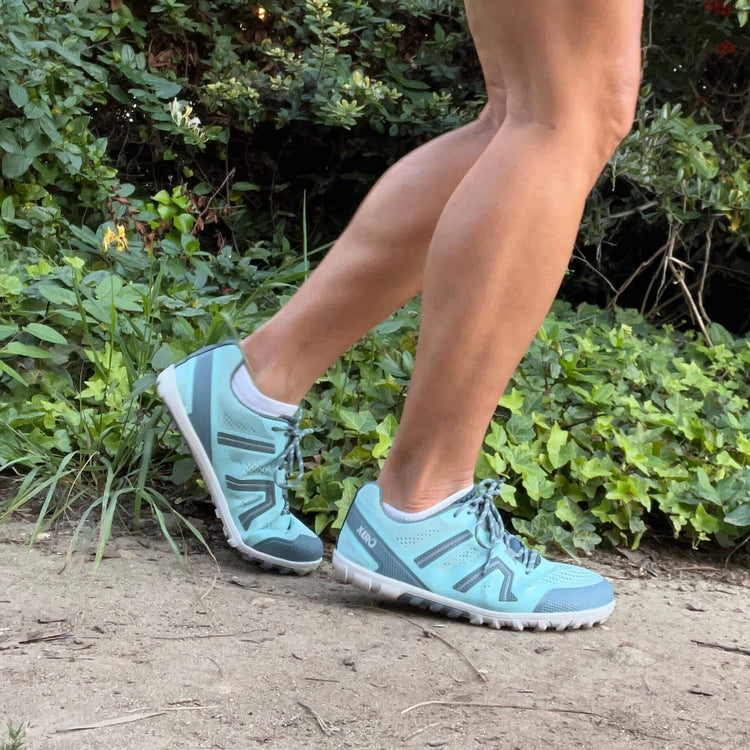
Best in Calves Contest
Vote for your favorite Calves below. Szilard Andre Kristof Michal Stevie Thomas Vote for your favorite Calves below. Hannah Jasmyn Karla Melinda Sara Jenny WINner gets A FREE PAIR OF XERO SHOESThe calves with the most votes take home the grand prize – a FREE pair of Xero Shoes! Plus, they'll earn the prestigious title of "Best in Calves." We will announce a winner on October 26th, 2023.Voting closes on October 24th, 2023 at 11:59pm CET.TERMS & CONDITIONS Photograph/Video/Content ReleaseFor valuable consideration, hereby received, I irrevocably consent to and authorize Feel the World, Inc., (hereafter referred to as “Company”) its employees, associates, and affiliates, the absolute right to use, re-use, publish, and re-publish photographs and/or video content and/or other content created by me and provided to the Company by myself which may or may not also feature my likeness. By signing below, I grant permission to the company to reproduce this content (and my name and likeness to the extent included in the content) for any purpose and in any media now or hereafter known, including, but not limited to, use in the Company’s worldwide print, online, and video-based marketing materials, as well as other Company publications, for any and all marketing purposes, in perpetuity. Contest Terms & Conditions1. Promotion Description: The ‘Xero Shoes Best in Calves Contest’ (“Sweepstakes”) starts on October 12th, 2023 at 12:01 AM (Eastern Time) and ends on October 17th, 2023 at 11:59 PM (Eastern Time) (the “Promotion Period”). By participating in the Sweepstakes, each entrant unconditionally accepts and agrees to comply with and abide by these Official Rules and the decisions of Xero Shoes (“Sponsor”), which shall be final and binding in all respects. Sponsor is responsible for the collection, submission or processing of Entries and the overall administration of the giveaway. Entrants should look solely to Sponsor with any questions, comments or problems related to the Sweepstakes. 2. Eligibility: Open to legal residents of Any Country who are 18 years or older. Void where prohibited or restricted by law. Sponsor and their respective parents, subsidiaries, affiliates, distributors, retailers, sales representatives, advertising and promotion agencies and each of their respective officers, directors and employees (collectively, the “Promotion Entities”), and members of their immediate families and/or persons living in the same household as such persons, are ineligible to enter the Sweepstakes or win a prize. 3. Winner Selection: The winner of the Sweepstakes will be selected by our audience in a formal voting that is held on Xeroshoes.com from October 19th, 2023 to October 24th, 2023 from among all eligible Entries received throughout the Promotion Period. Winner will be notified by email at the email address provided in the Entry Information on or about 48 hours after the voting period ends. Potential winner must accept a prize by email as directed by Sponsor within 48 hours of notification. Any winner notification not responded to or returned as undeliverable may result in prize forfeiture. The potential prize winner may be required to sign and return an affidavit of eligibility and release of liability, and a Publicity Release (collectively “the Prize Claim Documents”). No substitution or transfer of a prize is permitted except by Sponsor. 4. Prizes: Only one prize per person and per household will be awarded. Prizes cannot be transferred, redeemed for cash or substituted by winner. Sponsor reserves the right in its sole and absolute discretion to award a substitute prize of equal or greater value if a prize described in these Official Rules is unavailable or cannot be awarded, in whole or in part, for any reason. The ARV of the prize represents Sponsor’s good faith determination. That determination is final and binding and cannot be appealed. If the actual value of the prize turns out to be less than the stated ARV, the difference will not be awarded in cash. Sponsor makes no representation or warranty concerning the appearance, safety or performance of any prize awarded. Restrictions, conditions, and limitations may apply. Sponsor will not replace any lost or stolen prize items. Prize will only be awarded and/or delivered to addresses within any, all federal, state and/or local taxes, fees, and surcharges are the sole responsibility of the prize winner. Failure to comply with the Official Rules will result in forfeiture of the prize. 5. Online Entry: Enter the Sweepstakes during the Promotion Period online by performing the tasks provided above. The entry method can be found on the following website at http://xeroshoes.com/calves-contest. Automated or robotic Entries submitted by individuals or organizations will be disqualified. Internet entry must be made by the entrant. Any attempt by an entrant to obtain more than the stated number of Entries by using multiple/different email addresses, identities, registrations, logins or any other methods, including, but not limited to, commercial contest/sweepstakes subscription notification and/or entering services, will void that entrant’s Entries and that entrant may be disqualified. Final eligibility for the award of any prize is subject to eligibility verification as set forth below. All Entries must be posted by the end of the Promotion Period in order to participate. Sponsor’s database clock will be the official time keeper for this Sweepstakes. 6. Privacy: All entrants acknowledge that if they are chosen as a winner, certain of their personally identifying information may be disclosed to third parties at least as required by law, including, without limitation, on a winner’s list. All personal information submitted as part of the Sweepstakes may be shared by and between the Promotion Entities, and each of the Promotion Entities will use such information in accordance with their respective independent online privacy policies. The privacy policy of Xero Shoes can be found at http://xeroshoes.com/privacy/ 7. Limitation of Liability: Sponsor is not responsible for any incorrect or inaccurate information, whether caused by website users or by any of the equipment or programming associated with or utilized in the Sweepstakes or by any technical or human error, which may occur in the processing of submissions in the Sweepstakes. Sponsor assumes no responsibility for any misdirected or lost mail, or any error, omission, interruption, deletion, defect, delay of operation or transmission, communications line failure, theft or destruction or unauthorized access to, or alteration of, Entries. Sponsor is not responsible for any problems or technical malfunction of any telephone network or lines, computer online systems, servers or providers, computer equipment, software, failure of email or players on account of technical problems or traffic congestion on the Internet or at any website or combination thereof, including injury or damage to entrant’s or any other person’s computer related to or resulting from participating downloading materials in the Sweepstakes. If, for any reason, the Sweepstakes is not capable of running as planned, including infection by computer virus bugs, tampering, unauthorized intervention, fraud, technical failures, or any other causes beyond the control of Sponsor which corrupt or affect the administration, security, fairness, integrity or proper conduct of the Sweepstakes, then Sponsor reserves the right in its sole discretion to cancel, terminate, modify or suspend the Sweepstakes. In such event, Sponsor may, in its sole discretion, perform the random drawing from among all eligible Entries received prior to or after such cancellation, suspension, or modification. In the event of a dispute concerning who registered online to participate in the Sweepstakes, the registration will be declared to have been made by the authorized account holder is defined as the natural person who is assigned to an email address by an internet provider, online service provider, or other organization (e.g., business, education institution, etc.) that is responsible for assigning email addresses for the domain associated with the submitted email address. A potential winner may be requested to provide Sponsor with proof that the potential winner is the authorized account holder of the email address. If a dispute cannot be resolved to Sponsor’s satisfaction, the entry will be deemed ineligible. 8. Winner’s List: To obtain a copy of any legally required winners list or a copy of the Official Rules, send the applicable request and a self-addresses, stamped, #10 envelope to Xero Shoes cc: Win100 Sweepstakes! at 100 Technology Drive, Suite 315, Broomfield, CO 80021. Request must be received no later than 48 hours + 6 MONTHS for the name of the winner and, by the end of the promotion, for a copy of the rules. 9. Sponsor: The Sweepstakes is sponsored by Xero Shoes, 100 Technology Drive, Suite 315, Broomfield, CO 80021, support@xeroshoes.com 10.
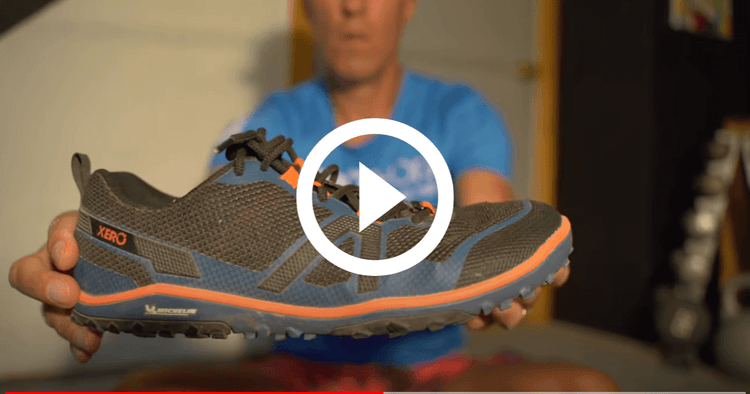
Running Coach and Author Eric Orton's Review of Scrambler Low
"The Scrambler Low performs exceptionally well on varying terrain, allowing me to go longer and stronger in a natural shoe." -Coach Eric Orton DISCOVER THE SCRAMBLER MID
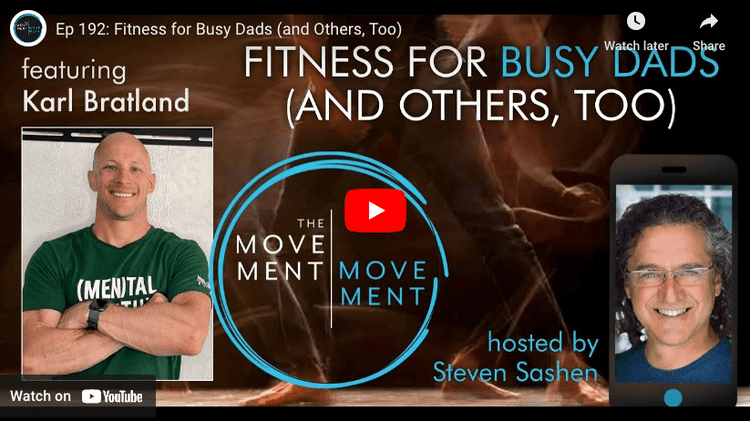
Fitness for Busy People: Finding Balance and Health
https://www.youtube.com/watch?v=EiguOWc5kSM&t=3sIn a recent episode of "The MOVEMENT Movement" podcast, fitness expert (and Xero Shoes Affiliate) Karl Bratland, talks to Xero Shoes CEO Steven Sashen about the challenges of aging and how people of different ages can meet their unique fitness needs and goals.While Karl specializes in helping busy dads achieve their fitness goals, these principles of fitness and longevity apply to everyone.Here are the key takeaways form the conversation:1. Adapt to Your Lifestyle:Tailor your fitness routine to fit your daily life and commitments.Recognize that one-size-fits-all approaches may not work in the long run.2. Prioritize Health over Aesthetics:Understand that a healthy body is more important than fitting a specific image.3. Create Lifelong Habits:Consistency is key; make exercise a natural part of your daily life.4. Embrace Functional Fitness:Focus on exercises that enhance your ability to perform daily tasks.5. Enjoy the Process:Choose fitness activities that you genuinely enjoy.6. Set Realistic Goals:Celebrate your progress along the way to stay motivated.Listen to the full episode of "The MOVEMENT Movement" podcast. No matter your age, you'll walk away with some great takeaways from this conversation. LEARN MORE
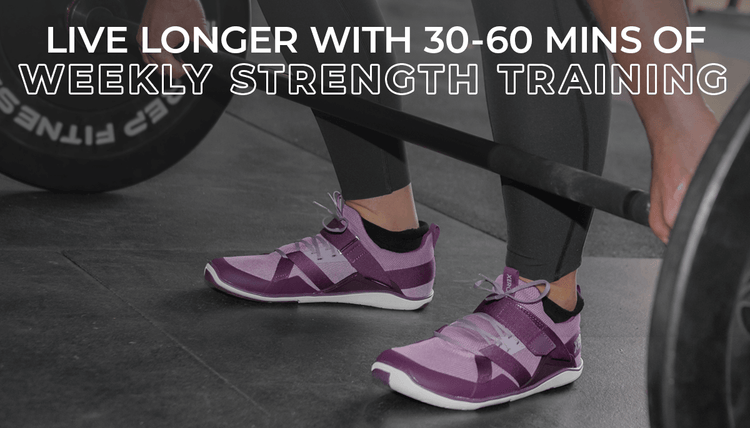
CAN YOU LIVE LONGER WITH 30-60 MINUTES OF WEEKLY STRENGTH TRAINING?
Live Longer With This Simple 1 Hour Weekly Habit A recent article in the British Journal of Sports Medicine shows that just 30 to 60 minutes of strength training per week can reduce your risk of dying from all causes by 10 to 17 percent. In this blog post, you'll discover the key takeaways from this exciting research and understand the incredible benefits of strength training. The Big Discovery This article reports something incredible: as little as half an hour to an hour each week of strength training exercises significantly reduces the risk of dying from all causes. Strength Training - What Is It? First things first, let's clarify what strength training actually means. Strength training typically can include activities like lifting weights, using resistance bands, or doing bodyweight exercises like push-ups and squats. The Amazing Benefits of Strength Training So, why should you consider adding some strength training to your weekly routine? Aside from this article, there are other well-known benefits to strength training. Reduced Mortality: The most significant finding of this study is that people who did 30-60 minutes of strength training per week were 10-17 percent less likely to die from all causes. Stronger Muscles and Bones: Strength training helps you build and maintain muscle mass. As you age, this becomes especially important as it can help prevent muscle loss and keep your bones strong. Read more in this Harvard Health article. Better Metabolism: Building muscle can also boost your metabolism, which means you burn more calories even when you're not working out. This can be helpful for weight management. Read more from this article in the National Library of Medicine. Enhanced Quality of Life: Stronger muscles can make daily activities easier, improving your overall quality of life. Whether it's lifting groceries, climbing stairs, or playing with your kids, strength training can make everything feel more manageable. Learn more in this article posted on Harvard Health. How to Get Started With Strength Training Getting started with strength training doesn't have to be complicated or require a gym membership. You can begin with simple bodyweight exercises at home or invest in some resistance bands. Start slow, focus on proper form, and gradually increase the intensity as you become more comfortable. Remember, it's not about how much you lift; it's about being consistent and gradually progressing over time. In Conclusion Strength training isn't just for bodybuilders or athletes; it's a simple and effective way for everyone to improve their health and longevity. Spending just 30-60 minutes per week on strength training exercises can have a significant impact on your overall well-being and help you enjoy a longer, healthier life. So, why not start today? Your future self will thank you!

Best Shoes for the Outdoors for 2023
Feel great all day no matter what you're doing in the best shoes, sandals, and boots for spring and summer adventures.Your version of “outdoors” might involve exploring different terrains, hiking a technical mountain, or relaxing by a campfire.Either way, you’ll enjoy it more in lightweight, foot-shaped shoes that bring maximum comfort while still providing needed protection from the elements. Here are shoes that will fit any outdoor adventure you have planned this summer.Sunrise: For Relaxing and Recovery You’ll look forward to slipping into the cozy microfiber upper when you're making your coffee in the morning and getting ready for your adventure. Leave them at the door of your tent or the door of your house, for any easy pair of shoes to slide on quickly.The Sunrise slip-on is the perfect shoe for kicking back and making memories.The Sunrise is perfect for summer travel since it's our lightest shoe at 5.6 oz (M9) and 4.6 oz. (W7). You can slip them in a backpack or clip it onto your bag to wear at the end of the day. Wear it as a slide or a shoe. Just step right on the back of the shoe and slide your foot in.“From the moment I put them on, the most comfortable shoe ever!” - Robyn N“The Sunrise is so comfortable, light & easy to walk around in. I love their flexibility & versatility. I wear them on a quick trip to the store or when traveling.” - Mike S VIEW THE SUNRISE Z-Trail EV: For Ultralight Hiking or Casual Strolls Our most versatile sandal works equally well on land or in water, if you’re out hiking or taking a leisurely walk. Z-Trail EV dials in the perfect combination of lightweight protection and natural flexibility. Enjoy trail-ready traction from a 11mm lugged FeelTrue™ sole with a middle layer of TrailFoam to even out the bumps and the top layer of BareFoam for added comfort, while still allowing you to bend, move and flex your feet. They’re comfortable and protective enough to wear all day, but at a miniscule 5.4 oz (M9) and 4.3 oz (W7), they can also be your perfect “other” footwear for an ultralight thru-hike or a river corssing.If camping for you is something that MUST happen along a lake, river or stream, this is your sandal.“I’m putting them to work. I’m using them as my camp shoes on an AT section hike. They’re working great!” - Gregg A VIEW THE Z-TRAIL EV SCRAMBLER MID: FOR HARD MILES ON AND OFF THE TRAIL The Scrambler Mid is the worlds lightest fully technical hiking boot. At just 11.3 oz. per shoe (M9) and 9.4 oz (W7), a pair weighs less than just one single boot from most other companies.Every hiker knows that feeling at the end of a hike where you simply can’t wait to kick off your heavy, stiff boots. You won't feel that again in the Scrambler Mid. This technical hiking boot is so light and flexible, you’ll forget to take it off once you make it to camp.Scrambler Mid is a collaboration with the car and bike tire company Michelin. If you could see inside the thin Michelin Fiberlite sole, you’d find an embedded textile layer, giving the sole unparalleled strength, flexibility and lightness. In fact, it's so light people even run in the Scrambler Mid.Add a breathable, abrasion-resistant mesh upper, and you have a mountain travel powerhouse that’s just as comfortable once you take the pack off.“These are great! So light but still a strong sole for hiking. Most barefoot shoes let you still feel rocks etc through them, which isn’t fun after 8 hours of hiking.” - Karl T“Wore these for the first time on a long backpack trip fresh out of the box - no break in period needed. GREAT traction - very comfortable. Didn’t feel the need to kick off my shoes at the end of a long hike day. :)) Worth every penny!” - Angela W. VIEW THE SCRAMBLER MID Aqua x Sport: For water and trail Paddle-boarding, canyon camping, river rafting or kayaking… they all require shoes that dry quickly, pack easily, and have grip on wet and dry surfaces. The Aqua X Sport thrives when things get wet. This super-powered water shoe starts with the lightweight, rock-gripping sole of the Mesa Trail II. On top you’ll find a light and breathable mesh upper, non-absorbent tongue, and toe guard drain holes that help you quickly shed water. Coming in at 7.5 oz (M9) and 5.9 oz (W7), it’s barely any heavier wet than dry. The included speed laces with adjustable lace locks mean you can dial in a custom fit in no-time flat, wet or dry. This shoe is your secret weapon for moving naturally through all the elements.“Out of all the water shoes I've owned over the years, these are by far the most comfortable and breathable. No need to change between two pairs of shoes when going to a water related activity.” - Paul R. “Excellent grip on the sole when traversing slick logs across streams and muddy hillsides without slipping one millimeter. LOVE!” - Danielle K. VIEW THE AQUA X SPORT Find The Perfect Outdoor Shoe For YouWhatever your idea of outdoors is, there is a barefoot shoe for every activity imaginable - from backpacking, to river rafting, to relaxing back at camp. Take the shoe finder quiz to see what shoe is best for you.
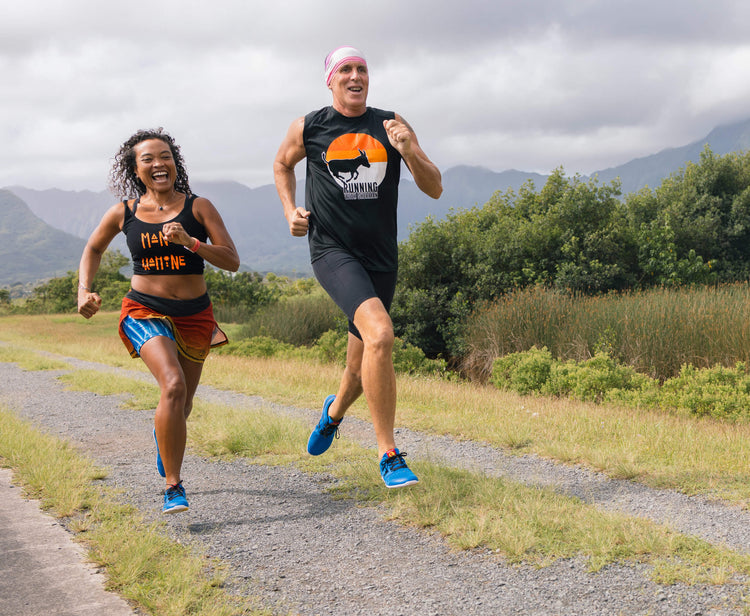
5 Easy Tips For Better Running - Global Running Day 2023
In this 5-minute guide to better running created by “Born to Run Coach” Eric Orton, he takes the concept of running for fitness and rewrites it. When you know how often to run, how fast, and how far, you can turn running from a workout into a joy. Watch Coach Eric’s guide to help you make the most out of every step and avoid common frustrations and injuries. To build a running habit that you look forward to, keep the five things Coach Eric shared at the top of your mind... Don’t compare yourself to other runners. Your running journey is your own. Make it easy. If you want to build a strong, joyful running habit, keep it fun. Turn running into a craft. Explore form and technique and pay attention to how your body moves and feels when you run. Do less more often. A ten-minute run every day will get you further than trying to run for an hour a couple times a week. Focus on your foot core. Running strength and form starts with your feet, so build that foundation. Put Yourself on the Fast Track to Better, More Joyful Running If you want to build your foundation faster, develop better running form, and get more joy from your runs, Xero Shoes can help. Xero Shoes running shoes have foot-shaped, wider toe boxes that let your toes splay and spread. That gives your feet a wider, more natural base when you’re running, which promotes balance and gives you fuller access to your “push-off” power. They also have a zero-drop, non-elevated heel. This puts your foot in its natural position when you’re running and you’ll notice how your posture improves. The thin, flexible soles let your feet move and bend naturally, give you ground feedback which helps with form and technique, and provide just the right amount of protection for your feet. Try Xero Shoes running shoes for better form and a more joyful run.
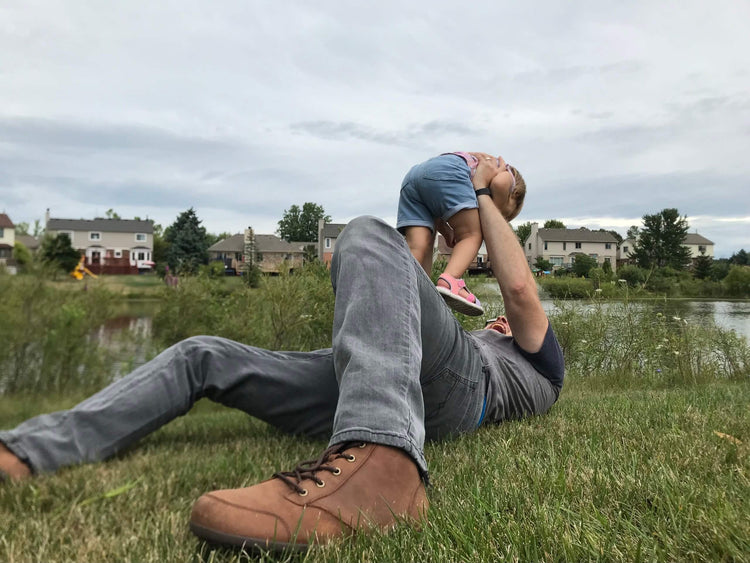
FATHER’S DAY GIFT GUIDE 2023: BEST SHOES FOR DAD
Here are two things we can pretty confidently say about men: They appreciate comfort Once they find something comfortable, they wear it… until it’s worn out A foot-friendly, durable pair of barefoot shoes fits the bill on both counts. No matter what activities he loves doing, naturally comfortable shoes can help him enjoy it even more. And he’ll appreciate his feet feeling as good at the end of the day as they did at the start. Use this guide to match up the dads you care about with the shoes they’ll love. Not sure of someone’s size? Just send him this article, plus a Xero Shoes gift certificate. The Sunrise: For Chilling & Grilling If a perfect “grilling shoe” exists, the Sunrise is it. It’s soft, cozy, and so light it feels like it’s barely there – the ideal vibe for making a dream meal on the patio. But just as importantly, it’s also the easiest shoe to take on and off when heading inside or outside. He can pull the back of the shoe up over his heel like a regular shoe or slipper. Or, just step right on the back and slide in. “I wear them to the store, around the house, in the garage, driving, and everywhere else. May toss out all of my other shoes. Nah, not my Prios and Glenns!” - Thomas C. These are my go to everyday shoes for traveling, walking the dog, grocery shopping. Has helped improve my posture and balance as well! - Nikhil M. “The Sunrise shoe is incredibly comfortable. It's a whole new experience.” - John F. VIEW THE SUNRISE Prio: For Working Out and Living In Prio is the go-to for men who don’t JUST work out in their athletic shoes. They live in them all day, every day. He’ll appreciate the low-to-the-ground build and grip for running or lifting, and the instep straps for lateral stability in any sport. The lightweight design and flexible, foot-shaped sole will help his feet feel as good at the end of the day as they did at the start. And for whatever else he wants or needs to do… there’s a Prio for that. Prio Neo: The Prio’s grip and lateral support in an even lighter, sleeker design. Prio Suede: Leather-accented style ready for the office or a night out. Prio All-Day SR brings slip resistance and full-grain leather to meet service industry standards. "Best shoes ever! I really don’t know why I didn’t purchase these earlier. So much better than commercial runners. Now my other shoes are now in the cupboard. Will definitely buy another pair.” - Richie R. “The most comfortable thing I've ever put on my feet. These things are awesome, and you've got a lifetime customer!” - Todd E. “I wear the prio for the gym, going out, at work, etc. It's the best all around shoe.” - Ryan A VIEW THE PRIO COLLECTION Scrambler Mid: The Ultimate Lightweight Hiking Shoe If getting out in the elements, hiking in the hills, or strapping on a backpack is how he likes to spend his free time, he’ll enjoy every step more in the ultra-light Scrambler Mid. This new collaboration between Xero Shoes and the car and bike tire company Michelin features a Michelin Fiber Lite® sole that brings mountain bike-inspired grip without sacrificing flexibility. The abrasion-resistant mesh upper keeps out trail debris while letting cool air in. He’ll love how light he feels in these. At just 11.3 oz. per shoe (M9), a pair weigh less than just one single boot from most other companies. “The best! I decided to take a chance on the Scrambler Mid and I couldn’t be happier. My first time ever wearing them was a 13-mile round trip hike into the Grand Canyon. No rubbing weird, no blisters, nothing. I barely noticed them on my feet. I highly recommend them.” – Michael D. “Lightweight, incredibly comfortable, and they look awesome!” - Jim “Just finished some backcountry hiking and the boots were great. Very stable tread and the mesh upper drained water quickly so the shoes would dry out.” - Rob J VIEW THE SCRAMBLER MID Naturally comfortable shoes for every season, activity… and every man Don’t see the perfect fit here? Explore our entire selection of men’s barefoot shoes, boots, and sandals available in different styles, colors and sizes to find even more options for the man on your list. Not comfortable picking shoes for him? Just send him this article, plus a Xero Shoes gift certificate.