The Xero Blog

Are Barefoot Shoes Good for Flat Feet or High Arches?

Are Barefoot Shoes Good for Flat Feet or High Arches?

Have you ever thought: “I wish I could wear barefoot shoes, but I can’t. I need support.” Maybe you’ve wanted to try barefoot shoes, but you have flat feet or high arches and you’re worried they won’t give you enough support. It’s great that you’re thinking about how barefoot shoes would affect your overall foot health.   You may have been told that your feet need shoes to support, cushion and control your movement. But here’s another way to look at it: your feet are meant to move. Xero Shoes are built around natural movement: a roomy, foot-shaped toe box, zero-drop sole, flexible low-to-the-ground feel, and lightweight construction. The goal is not to “fix” feet overnight, but to let them bend, flex, and function more like feet. What Are Foot Arches? If you look carefully at a foot, you’ll see it has arch shapes running in more than one direction: front to back and side to side. When people talk about “flat feet” or “high arches,” they’re usually talking about the arch that runs lengthwise along the inside of your foot. This arch is not a rigid bridge. It’s flexible. It changes shape as you stand, walk, run, jump, lift, and move through life. Some people have lower arches. Some people have higher arches.  There’s no single “perfect” foot shape. There’s your foot, your movement, and what feels comfortable and natural for you. Flat Feet vs High Arches Flat feet generally means the inside arch of the foot sits lower to the ground. High arches generally means the inside arch sits higher and leaves less of the midfoot touching the ground. Plenty of people have lower or higher arches and never even notice.  Here’s a simple way to find out: Go outside to your driveway or another dry concrete surface. Wet your feet, then stand on the concrete for a few seconds. When you step away, you’ll see your footprint. Take a picture quickly before it disappears. A fuller footprint may suggest lower arches. A footprint with only a narrow strip connecting the heel and forefoot may suggest higher arches. This is not a diagnosis, but it can be a fun way to notice your foot shape. How Barefoot Shoes Works for Different Arch Types Traditional footwear is built around the idea that feet need support to function well. But that’s not the only way to think about shoes.  Flat feet and high arches are different, but both can be affected by traditional shoes that have a narrow toe box to restrict toe space, lift the heel, or have a stiff, cushioned sole that limits foot motion.  Barefoot shoes are designed to reduce those restrictions. Instead of adding structure that limits motion, it gives your foot more room and freedom inside the shoe. Xero Shoes are designed to reduce those restrictions with: A roomy, foot-shaped toe box so your toes have space to spread A zero-drop sole, meaning your heel and forefoot sit at the same height A flexible sole that lets your foot bend and move A low-to-the-ground feel so you can stay connected to the surface beneath you Lightweight construction that doesn’t make your feet feel boxed in Are Barefoot Shoes Better for Flat Feet or High Arches? Neither arch type is automatically “better” for barefoot shoes. The better question is whether the shoe allows comfortable, natural movement for your foot.  People with flat feet may find a flexible, zero-drop shoe may encourage the foot and lower leg to activate as you walk, train or move through your day. The low-to-the-ground feel can help feel more engaged and connected to the ground. Research suggests that foot strengthening can correct flat feet. If you have high arches, you may appreciate a shoe that does not squeeze your toes or force your foot into a narrow shape. A roomy toe box gives your toes space to spread, while a flexible sole allows your foot to bend and adjust as you move. The big shift is mindset. Instead of asking, “How much support can this shoe give me?” you might ask, “Does this shoe let my foot move comfortably?” For many Xero Shoes fans, that question changes everything. Our design philosophy is simple: let your feet move, bend, flex, and feel.  Key Takeaways Barefoot footwear may be comfortable for some people with flat feet or high arches, but results vary by individual. Look for a roomy toe box, zero-drop sole, flexibility, low-to-the-ground feel, and activity-appropriate traction. Transition gradually to give your feet, calves, and movement patterns time to adapt. Choose barefoot running shoes, hiking shoes, sandals, boots, or training shoes based on the surfaces and conditions you use most. Consult a qualified professional if you have pain, injury history, or medical foot concerns. Frequently Asked Questions Are barefoot shoes good for flat feet? Barefoot shoes may work well for some people with flat feet because they allow more natural foot motion and give the toes room to spread. The best approach is to start gradually and choose a shoe that feels comfortable for your foot and activity. Are barefoot shoes good for high arches? Some people with high arches like barefoot-inspired shoes because they are flexible, lightweight, and roomy in the toe box. A good fit matters most, especially if you are used to narrow or highly structured shoes. Should barefoot shoes have arch support? Traditional arch support is not the focus of barefoot-style design. The idea is to let the foot move and engage naturally, though some people may still need professional guidance or temporary support. What About Orthotics? Some people may want to start wearing orthotics with their barefoot shoes. Pairing orthotics with a flat, zero-drop shoe may work well because it’s a simpler base for the insert. Make sure the fit feels comfortable, your toes still have room, and the orthotic sits properly inside the shoe. If your orthotics were recommended by a professional, check with them before making a big footwear change. Conclusion Barefoot shoes can work for people with flat feet or high arches who want shoes that allow more natural movement. The best results usually come from choosing the right fit, matching the shoe to the activity, and transitioning patiently. Ready to try your own pair of barefoot shoes? Take this quiz to find your perfect pair here. The content of this post is for educational and informational purposes only and does not constitute and is not intended to be a substitute for professional medical advice, diagnosis or treatment. Always seek the advice of a physician or other qualified health provider with any questions or concerns you may have about your health or a medical condition. 
Read More Are Barefoot Shoes Good for Flat Feet or High Arches?
Hiking Boots vs. Hiking Shoes: How to Choose the Right Trail Footwear

Hiking Boots vs. Hiking Shoes: How to Choose the Right Trail Footwear

When you hit the trail, one question comes up again and again: do you lace up hiking boots or hiking shoes? The honest answer is that there’s no single right pick for everyone, but there is a right pick for you, your feet, and the trails you love. At Xero Shoes, we look at this a little differently than most. We believe footwear should protect your feet while letting them function the way they were meant to: bend, flex, feel, and move.  So whether you land on a hiking boot or a hiking shoe, the goal is the same: natural movement, a wide toe box for your toes to splay, and a zero-drop sole that lets you actually feel the ground beneath you. To help break down the differences, we spoke with Michael Pao, Chief Product Officer at Xero Shoes, about what hikers should consider before getting a pair and hitting the trails. Do You Need a Pair of Both? Maybe! It really does come down to personal preference and the kind of hiking you do. If you hike year-round in a range of conditions and encounter cold wet weather, rocky terrain, short day hikes and fast, dusty summer miles, you can benefit from having both a barefoot hiking boot and a lighter trail shoe in your gear closet.  If most of your hikes’ terrain and weather are similar, one well-chosen pair will carry you a long way. The Fundamentals: Core Differences Between Hiking Boots and Hiking Shoes Michael’s Expert Tip: “The biggest difference is protection,” says Michael. “With Xero Shoes hiking styles, the outsole and materials may be similar between a low shoe and a mid boot, but the boot adds more coverage around the ankle and collar.” Hiking Boots Boots rise above the ankle. That extra collar height adds more protection around your ankles from rocks and brush, and more ankle support on loose, uneven terrain. But it can also mean more weight and slightly less ankle mobility. Our waterproof barefoot boots add that coverage, plus a waterproof option, that still provide flexibility and a zero-drop design that lets your feet move naturally. Hiking Shoes A hiking shoe’s collar sits below the ankle, giving your ankle a full range of mobility.  You trade the ankle collar for more natural foot movement from ankle-down. For a lot of hikers, that freedom is the whole point, your feet and ankles get to do their job, getting stronger mile after mile. Materials, Construction & Outsole Both styles start with the same barefoot DNA: a foot-shaped design that’s wide and roomy in the toe box to support natural toe splay,  yet fitted to the midfoot and heel to feel secure. A thin and flexible outsole gives a balance of ground feedback and protection and grippy lugs provide traction. From there: Uppers range from non-waterproof fast-draining, breathable mesh (great for heat and water crossings) to a sealed waterproof membrane (great for rain, mud, and cold temperatures). Outsoles are fine-tuned for trail terrain. Our Scrambler Low EV trail runner uses a Michelin® FiberLite outsole (yes, the same brand as the tire company) that keeps the shoe flexible and lightweight with a trail-ready grip Construction details like a waterproof membrane and gusseted tongue (more on that below) decide how much water and debris stay out. Midfoot lockdown: Xero Shoes’ huarache-inspired tensioning system helps hold the midfoot in place allowing the toe box and forefoot for secure, natural foot movement. Height & Weight Hiking boots come in mid and high cuts, but Xero Shoes focuses more on mid-cuts. More coverage means more materials which means the boots weigh a little more. Low-cut hiking shoes are lighter. The good news: because every pair is built minimalist-first, even our boots stay light and flexible compared to conventional hikers. Michael’s Expert Tip: When choosing between a hiking boot and hiking shoe, Michael says the biggest trade-off is usually weight. A boot has more material, more padding, and a longer tongue, which can add protection, but also adds weight and slightly reduces ankle flexion compared to a low hiking shoe. Xero Shoes’ Scrambler Trail collection has the same materials, waterproofing and outsole construction between the Scrambler Trail Mid WP boot and Scrambler Trail Low WP shoe. The main difference is simply the boot versus shoe.  The Engineering Trade-Off: How Collar Height Affects Performance Here’s the heart of the boots-vs-shoes question. A higher collar adds coverage and support because it shields your ankle from trail debris and keeps more dirt out. The added security and lace hooks on the boot can also give the heel and rear foot a more locked-in feel. A lower collar adds mobility so your ankle moves freely and your foot reacts to the terrain in real time. Neither is “support” in the old-school sense. At Xero Shoes, the real support comes from your feet getting stronger. Here’s how the two stack up: Feature Hiking Boots Hiking Shoes Ankle coverage Above the ankle, more protection from rocks, brush, and rollovers At or below the ankle, full, natural ankle movement Protection More coverage against debris, mud, and trail hazards Lighter coverage; ideal for cleaner trails Weight A bit heavier (membrane + materials) Lighter and more flexible upper Weather range Waterproof for wet and cold conditions Breathable and fast-drying for heat and water crossings Best for Rugged, wet, cold, or overgrown terrain; heavier packs; long mileage Maintained trails, fast day hikes, hot weather, lighter loads Can You Use Trail Running Shoes as Your Hiking Shoes? Absolutely, and our Scrambler Low EV (women’s here) is a perfect fit for anyone who wants one shoe that runs and hikes, or if you prefer a light and agile feel. This lightweight trail runner has an abrasion- and debris-resistant mesh upper, a Michelin® FiberLite outsole, and a barefoot feel that’s right at home on a day hike. A men’s size 9 weighs just 9.2 oz (260.8 g) per shoe, women’s size 7 weighs 7.4oz (210g) per shoe. Prefer something built for the trail but still featherweight? The non-waterproof Mesa Trail II (women’s) is another great crossover and one of our lightest.  Here’s how trail running shoes compare to boots on the details that matter most: Weight: Trail runners are designed with less material around the ankle and are generally lighter. Durability: Boots are a good pick for bushwhacking and rocky terrain, but a rugged trail runner like the Scrambler Low EV handles regular trail abuse with ease.  Breathability: Mesh trail runners breathe and drain far better than a sealed waterproof boot, so your feet stay cooler and dry faster. Choosing Between Hiking Boots and Hiking Shoes The types of hikes you like, and your personal preference, ultimately decide whether you need both shoes and boots in your closet, or just one trusty pair. Run through these five factors and the answer usually gets obvious. Terrain Well-maintained, smooth trails: Hiking shoes give you plenty of protection with more agility. Rugged, rocky, or uneven terrain: Boots add ankle coverage and stability on the chaos underfoot. Overgrown paths or bushwhacking: Boots protect against brush, rocks, and debris far better. Weather Conditions Condition Better Option Why Wet / rainy Waterproof boots Keep water out longer and pair well with gaiters Cold / snowy Waterproof boots or snow boots  Holds warmth better Hot / humid Non-waterproof trail shoes More breathable; dry fast if they get wet Frequent water crossings Non-waterproof trail shoes Drain and dry quickly instead of trapping water inside How Quickly Do You Need Your Footwear to Dry? Have you ever accidentally stepped into a stream or puddle in your non-waterproof shoes? Your feet get wet immediately. Non-waterproof shoes get wet almost immediately, but they also dry fast if the weather is hot, which makes them ideal for summer hikes and repeated water crossings. Waterproof footwear stays dry initially, but if water seeps over the collar into the waterproof membrane, that same membrane that kept water out now keeps it in, and it will take longer to dry. Waterproof Boot or Waterproof Shoe? Watch the Tongue For waterproof styles, the gusseted tongue is the waterline. A gusseted tongue is sewn to the sides of the shoe so water and debris can’t sneak in around it, which means the waterproof membrane only protects you up to that point.  On a low waterproof shoe like the Scrambler Trail Low WP (women's), that line sits lower; step into a creek deeper than the tongue and water pours in. A mid boot like the Scrambler Trail Mid WP (women’s) raises that line, keeping you dry through deeper creeks. Pick your height based on how deep the water typically is. One thing to note: a waterproof membrane traps more heat and breathes less than open mesh. In hot weather, that can mean warmer, sweatier feet, another reason breathable shoes win in summer. If you’re hiking in hot conditions or have only a few potential wet spots, breathable non-waterproof materials allow heat and airflow to help dry the shoe as you move. Michael’s rule of thumb:  If there’s a chance your feet will get wet on a cold day, waterproof is the safer choice. Cold, wet feet can make any hike less enjoyable. Distance Short day hikes (under 5–7 miles): Hiking shoes are often lighter and more comfortable. Long distances or multi-day hikes: Boots offer more coverage and durability for sustained mileage, though many minimalist hikers happily go long in a trail shoe once their feet are conditioned. Does Pack Weight Matter? It does. The more weight you carry, the more your feet appreciate coverage and containment underfoot.  Pack Weight Recommended Footwear Why Light (under 20 lbs) Hiking shoes Plenty of protection; the least weight means the most agility Mid-weight (20–35 lbs) Hiking shoes or a mid-cut boot Extra coverage and ankle containment help as the load shifts Heavy (over 35 lbs) Supportive mid or high boot More coverage, ankle containment, and underfoot protection for the long haul     And don’t forget the weight on your feet. Every ounce you lift with each step adds up over thousands of steps, so wearing a lighter shoe can feel like fresher legs by the end of a long day. Does Your Foot Type Matter? It matters a lot, and it’s where barefoot-style footwear really shines. All of Xero Shoes’ boots and shoes have a wide, foot-shaped toe box, making them a comfortable choice for people with wider feet or bunions, because your toes get to spread out the way nature intended. Flat feet or high arches? Don’t let the “you need support” myth box you in. Here’s why barefoot shoes work for flat feet and high arches. Weak ankles, past injuries, or craving extra stability? A boot’s added coverage may feel reassuring on technical ground. Healthy ankles and a love of natural movement? A low-cut shoe lets your feet move freely. Whichever you choose, dial in the fit first. Our sizing guide takes the guesswork out. How Should Hiking Boots or Shoes Fit? Your hiking footwear should feel secure through the midfoot and heel, with enough room for your toes to move.  The goal is to get a fit that feels secure through the midfoot and heel while giving your toes room to spread. Your foot shouldn’t move around in your boots. Blisters can be a sign of pressure points or too-tight shoes. You can adjust the laces, starting at the bottom and working your way up to the ties to adjust fit. For hiking boots, the upper lacing hooks can also help dial in the fit around the collar and heel. Common Mistakes People Make When Choosing Hiking Footwear Sizing the toe box too small. Your toes should be able to splay, especially on long downhills. If you’ve ever shopped for footwear in-person, you may have been told to use your thumb to measure extra length in the toes. That added space is necessary for traditional footwear with narrow toe boxes because you’re adding room to keep your toes from getting squeezed. With Xero Shoes’ foot-shaped toe box, you may not need as much extra space in front. When in doubt, check the sizing guide. Buying for the hike you wish you did. Match your footwear to the trails you actually hike most, not a once-a-year trail adventure. Assuming waterproof is always better. In heat or minimal water crossings, breathable, fast-drying shoes usually win. Equating “support” with cushioning and stiffness. A rigid sole limits your foot’s ability to bend and flex. More cushioning does not automatically mean a better hike. Thick foam can create a disconnected feel. A lightweight, minimal cushioned shoe feels more connected to the trail, and you may find you’re adapting and moving more agile with that added proprioception.  Going heavier than you need. Think about wearing ankle weights. You’ll notice the weight the longer you wear them. Lighter footwear weighs less, so can feel better over the course of a hike, especially for fast hikers, day hikers, and anyone who prefers a more agile trail feel. Skipping the break-in and fit check. Some people can try on Xero Shoes and immediately hike their regular distances. If you’re new to zero-drop or barefoot shoes, we recommend testing the fit at home, and starting out on short walks before committing to big miles. Find Your Perfect Trail Pair Still deciding? Let your trails, and your feet, lead the way. Take our shoe finder quiz to get matched in minutes, or browse the full hiking boots & shoes collection (men’s · women’s).  Frequently Asked Questions Are hiking boots or hiking shoes better? There’s no “better” style. Boots add ankle coverage, protection, and waterproofing for rugged, wet, or cold terrain and heavier packs. Shoes are lighter, more breathable, and more agile for maintained trails, hot weather, and faster hikes. The best choice depends on your terrain, weather, distance, pack weight, and foot preference. Can I use trail running shoes for hiking?  Yes. A rugged trail runner like the Scrambler Low EV handles day hikes and moderate trails beautifully, with less weight and better breathability than a boot. For wet weather, water crossings, or heavy multi-day loads, a boot may serve you better. Do I need waterproof hiking shoes?  Only sometimes. Waterproof footwear is great for wet weather, but it breathes less and dries slowly once water gets inside. For hot weather and frequent water crossings, non-waterproof shoes that drain and dry fast are usually the smarter pick. Are barefoot hiking boots good for hiking? Yes. Barefoot hiking boots add ankle coverage while keeping a wide toe box, a flexible sole, and a zero-drop platform, so your feet can move naturally and get stronger on the trail. What size hiking shoe should I get? Most people order their regular size, but a foot-shaped toe box should leave room for your toes to spread, especially on descents. Use the Xero Shoes sizing guide to confirm your fit. Are hiking boots or shoes better for flat feet?  Either can work. The bigger win for flat feet or high arches is footwear that lets your foot move and strengthen naturally, rather than locking it in rigid support. The content of this post is for educational and informational purposes only and does not constitute and is not intended to be a substitute for professional medical advice, diagnosis or treatment. Always seek the advice of a physician or other qualified health provider with any questions or concerns you may have about your health or a medical condition. 
Read More Hiking Boots vs. Hiking Shoes: How to Choose the Right Trail Footwear
Train From the Ground Up: How Barefoot Court Shoes Support Better Movement

Train From the Ground Up: How Barefoot Court Shoes Support Better Movement

Court sports are won from the ground up. Whether you play pickleball, tennis, racquetball, or padel, your feet are constantly reading the court, helping you stop, shuffle, pivot, reset, and react. That’s why we work with pro pickleball trainer and Xero Shoes partner Connor Derrickson to share how he trains players to build better movement from the feet up and what to look for in footwear built for the demands of the court. Connor wears Xero Shoes extensively on the court, and he’s also trained top pickleball pros, like Anna Bright and Hayden Patriquin, and amateurs alike to move with more control, confidence, and efficiency on the court.  If you’re a pickleball, tennis, racquetball, padel, or other court-sport player who wants to feel more connected to the court and build better footwork from the ground up, read on to learn more. In This Guide: Why court sports start at your feet Barefoot court shoes vs. traditional court shoes What to look for in a court shoe Q&A with pickleball trainer Connor Derrickson How to transition to barefoot court shoes Meet the Xero Shoes 360 Rally Your Feet Are the Foundation In Court Sports Court sports aren’t linear. Unlike running or walking, which usually move you forward in one plane, court sports rely on dynamic movement. Sure you’re running on the court, but you’re shuffling side to side, running to the net, stopping quickly, backing up, all which require repeated direction changes. That constant change of direction starts at your feet. The more connected you are to the court, the more information your body has to work with as you move, reset, and react. Running shoes are usually built for forward movement and have added cushioning to support repetitive similar movement. A good court shoe should support lateral movement, secure foot placement, grip, and quick ground feedback. When you can't feel the surface you're on, or how you're contacting it (the angle, the speed, etc.), your muscles, ligaments, tendons, joints, aren't getting the information they need for more responsive movement in time. Barefoot Court Shoes vs Traditional Court Shoes Difference Traditional Court Shoes  Barefoot Court Shoes Stack Height Raises the center of gravity and often places more material between you and the court. Low-to-the-ground design helps you feel more connected to the surface beneath you. Cushioning More cushioning creates separation between your foot and the court, which  may reduce some ground feedback. A thin and flexible sole with minimal cushioning helps preserve court feel.   Drop An elevated heel can subtly shift how your body moves from the ground up. Zero-drop design keeps your heel and forefoot level, encouraging a more natural stance. Toe Box A narrower toe box may limit how much your toes can spread. A wide, foot-shaped toe box gives your toes room to spread and contribute to balance. What To Look for in a Court Shoe Pickleball has been exploding around the globe and footwork is an important part of the sport. Good footwork starts with your shoes. The way you move on the court starts with how your feet connect to the ground. For court-specific movement: Heel lockdown and secure midfoot fit to support sharp cuts Grippy outsole for quick stops and starts Durable sidewall and toe protection  For barefoot court feel and natural movement: Low-to-the-ground zero-drop design to stay connected to the court Wide, foot-shaped toe box to power through your toes You want a court shoe that’s built for lateral movement, fast reactions, and controlled resets. Traditional shoes can dull sensory feedback. That’s why barefoot fundamentals are another key part to rebuild your connection to the ground.  Xero Shoes 360 Rally was designed specifically for the court, with a tailored fit, heel lockdown, and durable outsole to keep up with the demands on the court.   Q&A with Expert Trainer: Training for Better Court Movement Connor helped us answer some frequently asked questions about training in barefoot court shoes.   What is the benefit of training in a barefoot court shoe? The ability to feel the ground is especially important when we’re moving and making cuts. My favorite part of Xero Shoes is the minimal stack height to feel the ground while you play. It feels like the shoe is part of your body, and for the dynamic movement needed in pickleball, that connection is huge.   What do players often misunderstand about cushioning and stability? I used to think that I needed as much cushion as possible under my feet. The more cushion, the better my joints and back would feel. I was wrong. What I needed to do was actually strengthen my feet and ankles so that I can withstand the demands of pickleball. If players focus on strengthening the lower leg first, then they can have more freedom on the court. Why does ground feel matter during quick cuts or direction changes? Your feet are basically your steering wheel, and you can't steer what you can't feel. Every time you split-step, plant, and explode in a new direction, your foot is sending a flood of information up to your brain: like weight distribution, how the court's gripping, whether you're balanced or about to trip and fall. The better that signal is, the faster and more precisely you react. When standing on an inch of foam, that feedback gets muffled, you could end up a half-beat late and a little off-balance. Sometimes, that can cost you a whole point. Ground feel turns your foot into a sensor for all of this information. What are the most common movement mistakes you see in amateur pickleball players? First, no split-step. They're flat-footed and stationary when the ball's struck, so they're already late before they move.  Second, they reach instead of step. They plant their feet and lunge their paddle at the ball instead of taking two quick adjustment steps to get behind it, and now they're hitting off-balance with no power. Third, they cross their feet on lateral movement instead of shuffling, which kills their recovery and leaves the court wide open. These are the three big ones I see every single time. The theme here is that most amateurs train their hands and completely ignore their feet and footwork. At every level I've coached, from rec players to pros like Anna Bright, footwork is what separates clean shots from scramble shots. Anna always says her goal every match is “no footwork errors”. Meaning no missed shots due to footwork. What’s one thing you wish every player understood about footwork? That footwork happens before the ball, not after. Most players think footwork is how you chase a ball down; it's actually how you're already in position when it arrives. Some of the best movers aren't the fastest, they're prepped early. They split-step on time, make fluid movements, and recover to ready position before the next ball comes. If you're constantly lunging and reaching, that's not a speed problem, it's a timing problem. Get your feet set early and the game slows way down. Then you've got time, balance, and options on every shot. Transitioning to Barefoot Court Shoes Consistency beats intensity. You don’t need to change everything overnight. Transitioning to barefoot shoes on the court will look different for everyone. Start with short training sessions, practice the fundamentals, and let your body give you feedback. Court sports are fast and reactive, so give yourself time to build confidence before jumping into long, high-intensity play. Connor developed a court-specific workout plan below, designed to activate from the ground up. Helpful tips to get started in barefoot court shoes: Start with the workouts below before going on the court.  Work through phase 1 before progressing to the next phase. When you feel ready to hit the court, start with training sessions, not full games. Wear barefoot shoes for short durations first. Use removable insoles if you want a step-down approach. Pay attention to how your body responds. If you experience any tightness in your calves, try a standard stretch by dropping your heels off the edge of a step or curb. Expert-Recommended “Train to Court” Workout Once you understand why court movement starts at your feet, the next step is putting that awareness into practice. Connor created a simple three-phase workout to help players build better foot awareness, lateral control, and quicker court reaction — starting with foundational drills and progressing into more game-like movement. Connor’s Train to Court workout is broken into three phases: Regain foot awareness and mobilitySimple balance and mobility drills to reconnect with the ground. Build court-ready control and powerStrength-based movements that mimic side-to-side court demands. Improve speed and court reactionFaster drills that help you practice quick transitions, acceleration, and deceleration. Read next: Connor's Train to Court Workout: 3 Phases for Better Court Movement  Want to take the workout with you on the go?  Download the free PDF Watch the videos for a step-by-step guide. Subscribe to the YouTube Playlist   Meet the 360 Rally Xero Shoes 360 Rally was designed for players who want the natural movement benefits Xero Shoes are known for, with court-specific features for lateral movement, quick stops, and secure foot placement. Xero Shoes product team isn’t just made up of footwear experts, they’re pickleball players, too. That’s why they spent a lot of time dialing in a shoe that lets your feet move naturally while staying stable when the pace picks up. Our Design Director Kristina Funck says, “We spent a lot of time on the internal gusset system that cups your foot to make sure you’re super stable. The 360 Rally gives you stability, power and confidence to be surefooted on the court. Our Chief Product Officer, Michael Pao says, “We’re taking what our shoe is great at  – natural movement and court feel – and enhancing it with our minimal to the max philosophy. Minimal ingredients for maximal performance.” About the Expert: Connor Derrickson is a trainer to top pickleball pros like Anna Bright and Hayden Patriquin as well as amateurs, helping players train better footwork, court movement, and body control. As a Xero Shoes partner, Connor has extensively tested the 360 Rally and worked together to develop the workout plan.  Connect with Connor: Instagram | YouTube | LinkedIn The content of this post is for educational and informational purposes only and does not constitute and is not intended to be a substitute for professional medical advice, diagnosis or treatment. Always seek the advice of a physician or other qualified health provider with any questions or concerns you may have about your health or a medical condition. 
Read More Train From the Ground Up: How Barefoot Court Shoes Support Better Movement

latest News

THE MOST ECO-FRIENDLY SHOE EVER MADE
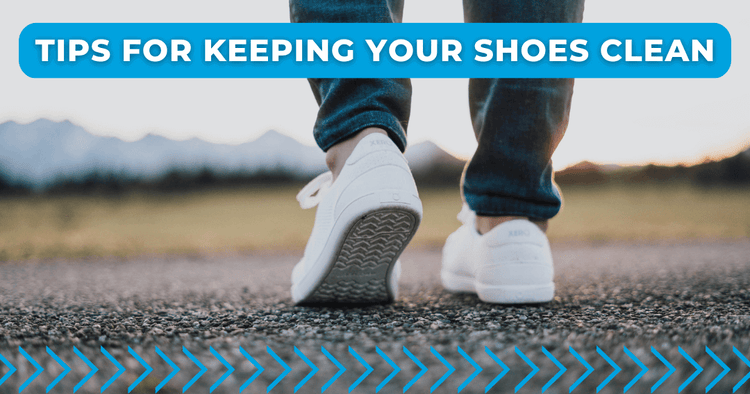
tips keep shoes clean

Tips to Clean Your White Shoes

Use this three-step Xero Shoes-approved process to keep your shoes looking their best. No fancy equipment needed! If you have a brand new shoe and you want to give it the most dirt protection possible,  consider using a protectant spray like Jason Markk Shoe Protector Shoe Repellant Spray. Cleaning Advice Here’s how the designers and Customer Happiness Team at Xero Shoes recommend keeping your shoes their cleanest and brightest.  Step 1. Mix Some Dry Laundry Detergent with Cold Water This doesn’t have to be a strong solution. Two cups of water and around a teaspoon of dry non-bleach laundry detergent is sufficient. Make sure it’s non-bleach, because bleach is a powerful chemical that can permanently discolor some shoes.  Mix the water and detergent in a small bucket or bowl until slightly sudsy, and you’re ready to go.   Step 2. Spot-Clean Shoes with a Soft Bristle Brush Have an old toothbrush? It works great here. So does a small plastic-bristled cleaning brush. Avoid metal bristles, which can rip shoe fabric.  Softly brush any discolored spots on the upper, sidewalls, or soles of your shoe. If you’ve been out in bad weather, this might be most of the shoe.   Step 3. Air Dry Once you’re done cleaning your shoes, wipe off any excess detergent and then rinse the cleaned areas gently under cold water. Let them air dry completely before wearing them again.  How Often Should I Clean My Shoes?  Here’s the most important rule: The sooner you clean your shoes after they get dirty, the better. Stains that settle in over time are far harder to remove.  Want to know how to care for a specific shoe? Check the 'care tab' on the product page for whatever style you are looking to clean. Now that you have this info, maybe now you'll feel more comfortable slipping on our whitest and brightest shoes.
Born To Run

“THE DREAM SHOE”: A PARTNERSHIP WITH XERO SHOES & BORN TO RUN 2 AUTHORS

Fifteen years ago, Christopher McDougall’s iconic book Born to Run changed our ideas of running technique, and running footwear, forever. But McDougall and Eric Orton, his running coach and recent co-author of Born to Run 2: The Ultimate Training Guide, haven’t ever officially partnered with a running shoe company. UNTIL NOW. On April 13th, Xero Shoes will release Born to Run shoes for both trails and roads. Both models will feature: Thin, tough soles that hit the sweet spot of flexibility and rock protection Wider toe boxes and zero heel elevation for natural movement Lightweight designs with breathable, soft uppers Christopher and Eric have been putting these shoes to the test for months, and they’re thrilled with their fit, feel, and overall functionality. “These have everything you need and nothing you don’t. This is the way!” McDougall raves.  “If this is Christopher’s dream shoe, and it’s my shoe, this is YOUR dream shoe,” Orton says. We’ll provide additional details, images, and exclusive deals prior to launch. Stay tuned and spread the word in your running community! NOTIFY ME Why did Christopher & Eric Partner with Xero Shoes? Christopher McDougall: “After Born to Run came out, I was approached by a ton of shoe companies who all wanted to partner with some kind of collaboration. I uniformly said no, for two reasons. Number one: I never saw anything I really liked. And number two, I could never be sure they would continue creating the kind of shoe that I believed in. And then I put these Xero Shoes on my feet, and I basically didn’t take them off for the next two months. That’s why I’m so happy now to partner up with Xero Shoes, and I have 100% confidence in recommending them to anybody. If these shoes are on your shelf, you're going to be happy to pick them up.” Eric Orton: "This relationship all starts with the Xero Shoes’ overriding philosophy and focus on natural running and movement. We are in lock-step with this ethos, and it’s very exciting to be partnering with a company that is driven by their mission.  Add this to the company’s eclectic staff of shoe industry experts, and you have a powerful combination of business principles and high-end performance shoes. I’m really excited about what Xero Shoes are doing.” Why did Xero Shoes Partner with Chris and Eric? Steven Sashen: “The original Born to Run was a huge inspiration for me when my wife Lena and I started Xero Shoes. And Christopher and Eric have continued to deliver their hard-earned wisdom for foot-friendly training and living ever since.  They create happier, healthier runners, not just faster ones. Collaborating with them on a shoe was a personal dream of mine, but also a natural choice for the Xero Shoes brand.  The Xero Shoes Born to Run shoes will satisfy the exacting expectations of minimalist diehards. But like all Xero Shoes, they’re also designed to be the most comfortable shoes you own, period. Take them out on your favorite road or trail, and experience the joy of running further, faster with ease – the way you were Born to Run.” Mark April 13th on your calendar, and get ready to feel the difference everywhere you run when you… Live Life Feet First
Fun Simple Partner Movements

5 “MOVEMENT SNACKS” TO DO WITH A PARTNER

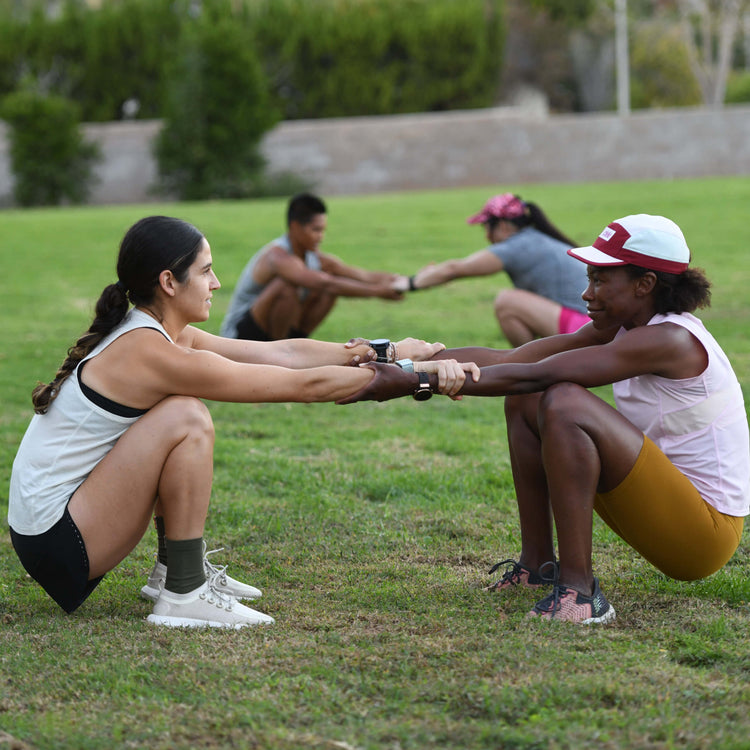
It’s time to rethink what a workout can be! Sure, there’s definitely still a time and place for a dedicated run, yoga class, or lifting session. But the movement in your life doesn’t have to (and shouldn’t) end there.  Fill your life with purposeful, stimulating physicality, and it will pay off in ways you expect, and ways you can’t predict. You’ll perform better, think better, and simply feel better all day!  The perfect place to start is with “movement snacks.”  What are movement snacks?  “Movement snacks” are a groundbreaking training concept from Born to Run 2: The Ultimate Training Guide by Chris McDougall and Eric Orton, the follow-up to McDougall’s iconic best-seller Born to Run.  These easy-to-learn exercises help engrain crucial human movement patterns on both physiological and neurological levels. Borrowing a page from McDougall’s limitless exercise manifesto Natural Born Heroes: Mastering the Lost Secrets of Strength and Endurance, they also require no equipment and can be done anytime, anywhere.  Another great thing about snacks? You can do them on your own, but they’re even better with a partner! Here’s why. For one, adding someone else to your movement practice has been shown in research (and by countless real-life examples) to help all types of workouts be more effective. It helps people stay more motivated to keep coming back. It even enhances exercise's stress-reducing benefits.  Basically, adding another person (or two, or a few) instantly makes everything that makes movement great even better!  Here are three movement snacks that are group-friendly, fun, and suitable for all fitness levels! These exercises are excerpts with permission from Born to Run 2: The Ultimate Training Guide. Get your own signed copy here, and get 10% off of any Xero Shoes purchase! 1. Braced Deep Squat: Solo or With Partner "How to: Face your partner and grab each other's wrists. Support each other by pulling backward, easing down into a squat at the same time.  Pause a few beats, then pull each other back up.  How many: 10-12, with a focus on range of motion and controlled technique, rather than speed.  Pay special attention to: Focus on getting as deep as you can, with good form, keeping feet facing straight forward. Improve through time. Purpose: Deep Squats can unlock your entire range of motion, everything from your neck to the soles of your feet, while loosening tight hips and Achilles and easing lower back tension" 2. Bear Crawls: Solo or With Partner How to: Start on all fours with your hands under your shoulders, knees under hips, and head in a comfortable position, eyes looking at least 1-2 feet ahead of you, ideally straight ahead. Press evenly onto your palms, tuck your toes under and lift your knees to hover just off the floor.  Push onto your left toes and right hand, stepping forward with the left hand and right foot. Continue forward in a nice fluid motion. Keep the hips stable and avoid overly swaying form side to side. Repeat the same opposite arm-opposite leg pattern to move forward. Throughout your movement, keep your focus on easy breathing through the nose. WATCH HOW TO VIDEO How many: 20 steps (each time the right hand makes contact with the ground) to start, and build from there. Pay special attention to: Keeping the knees 2-3 inches off the floor. Work on keeping the hips stable and avoid shifting from side to side. Rest as needed. Purpose: Crawling builds full body strength and connects upper and lower body, as well as developing coordination. It's also a sneaky quad burn!"  A movement snack from "Born To Run 2: The Ultimate Training Guide" Make it a fun partner workout by bear crawling towards each other and then shaking your partner's hand. Then proceed to bear crawl backward and repeat.  3. Side Lift: With Partner "How to: Balance barefoot on your right forefoot using a wall or chair or partner to help you stabilize. Keeping your right leg straight, raise your left leg sideways (think of half a pair of scissors opening). Raise your left leg only as high as ou can while maintaining level hips, and then go back to the start position. Note: This is a stabilizing exercise for the stance leg, not a range-of-motion exercise for the moving leg. How many: 15-25 reps, then repeat with the opposite leg. 4. Knee Lift: With Partner How to: Balance barefoot on your right forefoot using a wall or chair or partner to help you stabilize. Keeping your right leg straight, raise your right heel slightly. Now, lift your knee in front of you as high as you can, and then go back to the start position. Keep your movements slow and controlled. The focus is on the stance leg, not the moving leg. Note: This is a stabilizing exercise for the stance leg, not a range-of-motion exercise for the moving leg. How many: 15-25 reps, then repeat with the opposite leg. 5. Quick Feet: With Partner How to: Facing a partner, raise your hands and place your palms against theirs.  While maintaining palm-to-palm contact, the "lead" partner then tries to quickly step on the other person's toes. The following partner should dance away, doing everything possible to avoid foot contact while keeping palms connected.  Switch How many: Just have fun with it and switch back and forth several times between leaders.  Pay special attention to: Never breaking hand contact. Purpose: This is a fun group warm-up to get the heart rate up and simulate the central nervous system with some multidirectional, quick movement with the feet.
A Podiatrist Explains Why “Every Shoe Is A Walking Shoe”

A Podiatrist Explains Why “Every Shoe Is A Walking Shoe”

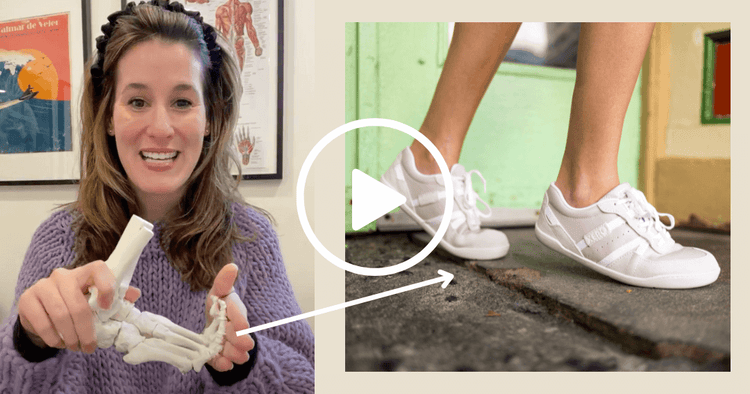
It’s tempting to treat your shoe rack like a toolbox. For each situation, there’s a product in the $133 billion shoe industry to fit it, from workout shoes to hiking, running, and yes, even walking shoes! But do we need to have a specialized shoe for something as fundamental and human as walking? Massachusetts-based podiatrist Dr. Alissa Kuizinas isn't so sure.  “We often have this perception that we need a special category of shoe to wear for walks,” she says. “There’s even a whole segment of footwear called ‘walking shoes,’ and there’s all kinds of technology involved in that. But every shoe can be a walking shoe, as long as it meets certain standards.”It took a long journey for this doctor to reach her current conclusions on walking shoes. Here’s how her personal experience led her to change her mind, and how she guides clients into finding the right shoe for their situation.  “I knew there had to be a better solution”Dr. Kuizinas has more than a medical perspective on footwear. She struggled with foot discomfort for years, and found that she was repeatedly jamming her big toe inside her shoes with each step she took – “even with my ‘good shoes’ on,” she recalls.“Traditional medicine would recommend that I wear custom orthotics, limit my activity and wear stiff-soled shoes until the pain became bad enough to require surgery,” she says. “I knew there had to be a better solution.”The deeper this foot doctor delved, the more she found that her feet weren't the problem. It was her shoes!“Even though shoe companies spend millions of dollars on technology and design development, the shoes they produce and sell are doing a major disservice to human feet,” she explains. “From cushioning, to heel-toe drops, stiff soles, to narrow toe boxes, nearly every aspect of a modern shoe has a negative impact on foot movement. It leads to an epidemic of dysfunctional, weak, and malfunctioning feet. And most of us aren’t even aware this is happening!” She finally found her fit once she started wearing anatomically designed, flexible shoes with little to no padding, like Xero Shoes. In a matter of months, she wasn’t just feeling better; she had changed dramatically her perspective on what a shoe should be! Get Out of the Way of Your Feet“The primary purpose of shoes is to protect our feet from the elements and from different surfaces,” Dr. Kuizinas says. “They’re for when we are out in the world walking on a slippery or wet surface. Ultimately, shoes are really there JUST for that purpose. They don’t need to be bulky and restrictive, or supporting our feet. Our feet are designed to support themselves!” So… why not just walk barefoot all the time? Research has actually supported this idea of slight “protection” being beneficial. A study comparing outdoor barefoot walking with minimalist footwear found that the shoes actually improved walking form in both younger and older adults, and reduced risk of falling. To maximize on these benefits, Dr. Kuizinas recommends a ‘as little shoe as possible’ approach to footwear, and instead focusing on building resilient, capable feet. “Rather than building up the shoe to try to externally support the foot and limit motion, minimalist shoes get out of the way of our feet,” she says. “They allow feet to function naturally, to move, and bend. The transition to minimalist shoes involves stripping down the unnecessary and harmful components of modern shoes so that feet can be feet again!”When working with clients today, Dr. Kuizinas shies away from the term “minimalist shoes.” Instead, she likes to call them “functional shoes” or “natural shoes.” “Natural footwear is really on the leading edge of shoe technology,” she says. “By stripping away the unnecessary and downright harmful features of shoes, we allow feet to function effortlessly as they were designed to!”How to Find Your “Functional” Walking ShoeDr. Kuizinas has a three-point checklist of what she looks for in a functional shoe, which not-so-coincidentally match up with the three major functions of the human foot during walking. “The foot has three jobs: to be a ‘mobile adaptor’ or shock absorber when it first hits the ground, to be a rigid lever during push-off, and to be a sensor of the environment,” she explains. “As long as it can do these three things, it will function well.” Here’s how she says those functions should be reflected in the shoes you wear: Wide Toe Box: “Functional sneakers should have a wide, foot-shaped toe box. They’re broad enough to allow our big toe to sit in a proper alignment.”Flat & Flexible Soles: “Our feet contain 26 bones and 33 joints. And joints are designed to move! A flexible sole allows for natural foot movement. By contrast, stiff and rigid shoes with elevated heels prevent the joints from fully moving through their range of motion and limit the foot.”Minimal cushion and support: “A functional shoe should only be only as cushioned as you really need. Overly cushioned shoes dampen your perception of what's going on with your feet, and your ability to walk well.” If you follow those simple standards, Dr. Kuizinas says, every shoe can be a walking shoe!Be Patient and Build Up to BarefootBoth from her personal experience and in her professional practice, Dr. Kuiz recommends being patient when it comes to transitioning to full-time “functional” footwear. In the early days, she recommends a one-two approach of wearing functional shoes primarily for low-impact activities like walking and running errands, while also going barefoot around the house to help build resilience in the feet and ankles. “As your foot function improves, you’ll be able to tolerate less arch supportive shoes for greater amounts of time,” she explains. Need help finding your perfect pair of shoes? TAKE THE SHOE FINDER QUIZ

Placeholder Image - Xero Shoes EU

Can You Cure Plantar Fasciitis with Barefoot Running?

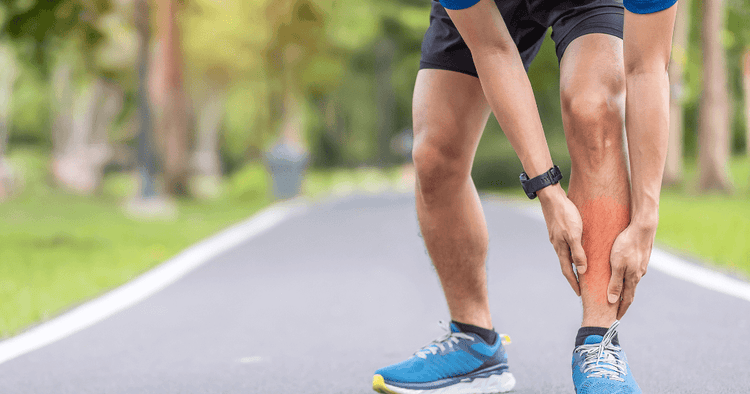
A new study by Michael Rathleff and his colleagues offer a new approach for treating plantar fasciitis: strength training. More specifically working on foot and calf strength.Click here to read about the research. I can't say I'm surprised by this. It's often the case that gaining strength cures many movement-related problems. But what's most interesting to me is that this research suggests why many barefoot runners report an elimination of plantar fasciitis. Specifically, when you look at the report about the research and read the recommendations for the type of strength training to do, you'll see that the movements are very similar to what you do when you run with a forefoot or midfoot landing. Running this way "pre-loads" your plantar fascia, positioning your foot in a strong position when it contacts the ground, rather than being in the pre-streteched and weak position that you're in when you heel strike, especially in a highly padded shoe. The content of this post does not constitute and is not intended to be a substitute for professional medical advice, diagnosis or treatment. Always seek the advice of a physician or other qualified health provider with any questions or concerns you may have about your health or a medical condition.
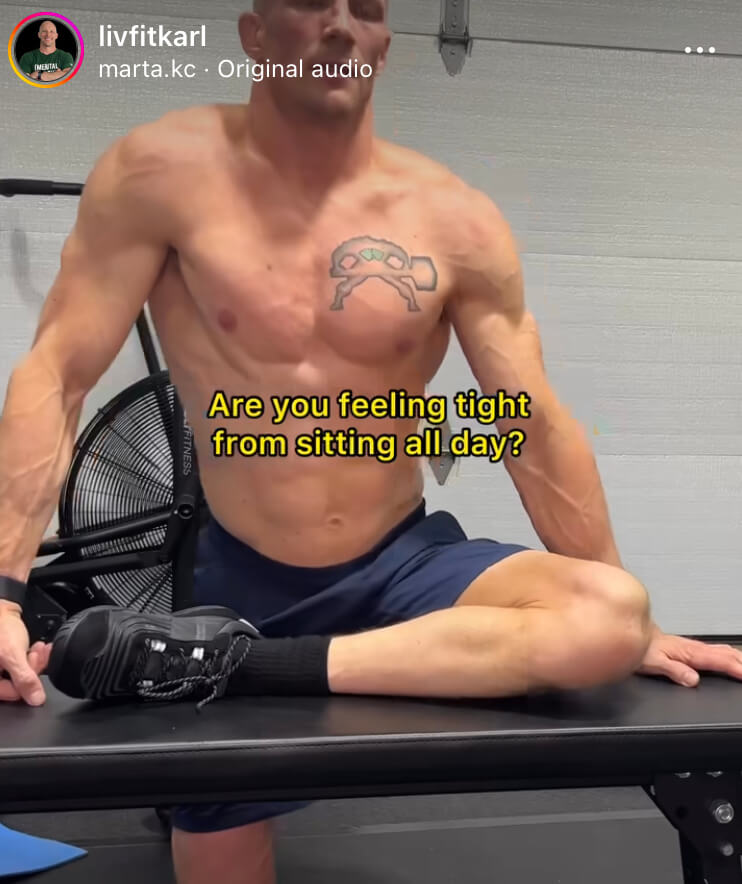
Get Fit and Healthy in 2023 with LivFitKarl's Expert Tips on Natural Movement and Minimalist Footwear

Get Fit and Healthy in 2023 with LivFitKarl's Expert Tips on Natural Movement and Minimalist Footwear

Make your new year's fitness routine even easier with the help of Instagram influencer LivFitKarl, a partner of Xero Shoes. With a focus on natural movement and minimalist footwear, Karl has some great insights on everything from preventing tightness from sitting all day to improving mobility and strength. And as a big fan of Xero Shoes (see here), Karl knows how to walk the walk (literally!) when it comes to staying fit and active. Follow LivFitKarl for some amazing advice on how to live your best, fittest life.
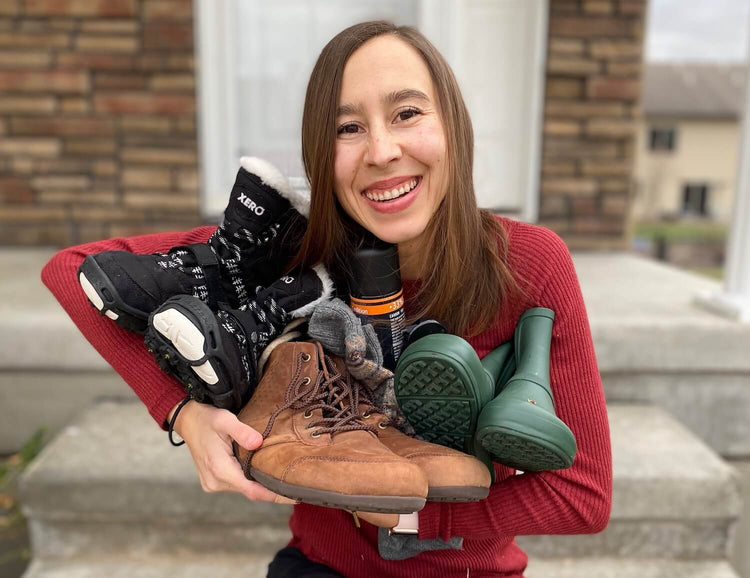
How to Winterproof Your Barefoot Shoes by Anya's Reviews

How to Winterproof Your Barefoot Shoes by Anya's Reviews

Once you experience the freedom of barefoot shoes it’s hard to go back to your old pinchy boots. And even though there are practical barefoot winter boots available, depending on your environment it might not be quite enough.  I myself had a difficult time in extreme cold and ice before I learned a few hacks. Because my feet can’t tolerate uncomfortable shoes anymore, the old heavy boots in my closet just weren’t an option! Fortunately I found some useful hacks that made all the difference. Here are the practical tips I use to make my barefoot shoes even more functional for serious weather. Table of Contents: Waterproofing Insoles Socks/Boot Liners Ice Cleats   1. Waterproofing (Xero Shoes Denver Leather pictured above) It’s a great idea to have some waterproofing products on hand, even if the shoes you buy come pretreated. Waterproofing wears off over time, and you will stay much warmer if you’re dry. Here are my pro tips for waterproofing shoes: Spray’s are best for delicate materials you don’t want to change the look of. Waxes and oils are more effective, but might change the appearance of your shoes. Always test the product on a small inconspicuous spot and let dry for 24 hours before doing the whole shoe (in case you don’t like how it comes out). Expect to reapply. Sprays need to be reapplied every handful of wears, waxes can be applied once a season (maybe more or less depending on how much you use your shoes).   2. Insoles (Xero Shoes Gracie pictured above) Adding my own insoles is my favorite warmth hack. Because the soles on barefoot shoes are thin, they might feel cold in winter. Choosing warmer insoles can make a big difference, and you can easily swap them out or layer them on top inside the shoe. Here are my favorite warm insoles that are still zero drop and flexible: Felted wool (you can buy sheets of it and cut your own).  Sheepskin Faux fur insoles (if you are vegan) Just keep in mind that adding thick insoles will take up more space inside your shoes. Felt insoles are thinner than sheepskin/faux fur, so might be a better option if you didn’t size up in your boots.   3. Socks/Boot Liners Socks can also make a big difference in your comfort level during the winter. I choose socks with a high wool content because they are warm and they conform to your foot over time. I also often wear a pair of leg warmers over the top of my socks for an extra layer that doesn’t take away toe box space.  The boots I wear in the dead of winter are all a size bigger than my usual so I can fit thick cozy socks in them. An alternative to thick socks is a boot liner. But you need enough space for the liner to fit fully inside, so it works best in unlined boots like the Xero Gracie. And you probably will need a size up so your foot still fits (are you noticing a theme?).   4. Ice Cleats & Running Spikes (Xero Shoes Alpine pictured above) I walk outside every single day no matter the weather and most of the time the soles on my barefoot boots are perfectly adequate for me. But there are days when the conditions are such that I need more grip.  That’s where ice cleats or running spikes come in. They can easily be put on over the top of your barefoot boots, and if you live in a place with lots of snow and ice they can really keep you moving safely through the winter. I like the ones with a security strap over the top of the shoe so they don’t fall off in the snow. And there you have it, my best tips for winterproofing your barefoot shoes. Here’s to happy feet through the coldest, wettest months of the year! This Guest Blog Post is By Anya's Reviews Anya first discovered barefoot shoes after a long history of foot issues. By changing her footwear and strengthening her body she was able to completely transform her life. Today Anya is trying to change the status quo of shoes and foot health by making natural footwear options more accessible around the world. Find everything you need to start your happy feet journey at her website AnyasReviews.com.

Placeholder Image - Xero Shoes EU

Gift Guide for Runners: Xero Shoes for Comfort and Performance

Are you looking for the perfect gift for the runner in your life? Whether they're just starting out or are a seasoned pro, we've got some great gift ideas that any runner is sure to love. Whether runners want to train in the shoes or just wear them for off-days and active recovery, reviewers say Xero Shoes are super comfortable with the wide toe box and foot-shaped design. Plus, research shows that just walking in minimalist shoes strengthens foot muscles as much as doing a foot-strengthening exercise program. And for runners logging long miles, Xero Shoes' has a 5,000 mile sole warranty, whereas most traditional running shoes must be replaced between 300-500 miles. FOR THE ROAD RUNNER Your feet will love the natural comfort of the wider toe box and zero-drop design in Xero Shoes’ best-selling HFS Road Running Shoe. Runners love this shoe because it's super lightweight, helping you run your way to your next PR.  The moisture-wicking lining and breathable mesh help keep you cool in warmer months. FOR THE TRAIL RUNNER Thousands of Xero Shoes' customers loved the bestselling Mesa Trail's combination of lightweight comfort and trail-gripping security. The NEW Mesa Trail II improves on that with more rugged, durable, and protective welded components, like a durable toe cap and sidewall welding to prevent dirt from getting in your shoes. Plus, this lightweight trail runner is only 8.2oz (M9)/6.4oz (W7). To recover from your long runs, another gift to give your runner is the Naboso Neuro Ball. The Neuro Ball is a great massager that can be used as a release ball to roll under your feet, in the palms of your hands or over your calves to relieve muscle tightness post-run. FOR THE STYLISH RUNNER Road running is now even lighter with the NEW Forza Runner. We took our best-selling road runner, the HFS, reduced the weight, and added a sock-like, breathable, knit mesh upper that feels one with your foot. Even when you're not running you'll love showing off the sleek style. FOR THE ECO-CONSCIOUS RUNNER The Zelen Sustainable Running Shoe is made with more than 60% biodegradable and recycled materials including a breathable knit upper is made with rPET recycled material and a biodegradable sock liner. Rounding out a solid green story, recycled materials make up the webbing, laces, and mesh lining. Plus, the Zelen happens to be Born to Run author Chris McDougall’s favorite shoe.    FOR THE BUDGET-MINDED RUNNER The Prio Running and Fitness Shoe is touted as the most comfortable shoe for anything you do, and working out is no exception. The Prio is made of ultra-light and durable materials, perfect for athletes. Plus, they won’t break the bank, as one of the few performance shoes out there that are under $90. Add in the Naboso insoles, which stimulate your feet to energize your foot step, improve balance and increase movement.   FOR THE BEACH or WARM WEATHER RUNNER For those living in warm, humid environments, you need a shoe that's super breathable and water-friendly. The Aqua X Sport sheds water like there’s no tomorrow, with a water-friendly mesh upper, quick-dry lining, nonabsorbent tongue, and toe guard drain holes. Perfect for beach running or wet trails, the Aqua X Sport has all-terrain traction and the just-right amount of protection and ground feedback.

Xero Shoes For All Types of Exercise

Xero Shoes For All Types of Exercise

There is nothing like the feeling when you slip on your shoes to work out. Whether you’re getting ready to head to the gym for a sweaty session, or you’re taking the dog on your regular neighborhood walk, an enjoyable and comfortable workout starts feet first. So if you or a loved one are looking to enhance their fitness routine (no matter how serious you are about exercise) Xero Shoes has a great assortment of shoes for each activity.  Xero Shoes is all about natural movement, and no matter how you move, we’ve got the perfect footwear for everyone, from cross-trainers to yogis to weight lifters to a casual walker. A new pair of stylish workout shoes is just what you or your loved one needs to feel good while exercising, and maybe even help you check off your New Year’s fitness resolutions. FOR THE HIGH-INTENSITY FITNESS LOVER Looking for a great workout shoe that can do it all? The 360º Cross-Training Shoe was designed specifically for HIIT workouts, CrossFit and more. With superior traction and control, you’ll be able to handle any quick lateral movement with ease. Reviewers say these shoes are super comfortable, even when they’re sweating hard through box jumps, rope climbs or plyometrics.  FOR THE BUSY BODY (AT THE GYM OR ON THE GO) The Prio Running and Fitness Shoe is touted as the most comfortable shoe for anything you do, and working out is no exception. The Prio is made of ultra-light and durable materials, perfect for athletes or anyone on the go. Plus, they won’t break the bank, as one of the few performance shoes out there that are under $90. FOR THE LIFTER Weight trainers say that strength starts with your feet, and the NEW Forza Trainer gives you power from the ground up. You’ve never felt so secure as you do with the heel-and-instep lockdown strap. The bootie-like construction and moisture-wicking, silky smooth lining makes the Forza trainer so comfortable you can wear them to the gym, in the gym, from the gym, and everywhere else you go. FOR THE YOGI (OR FOR WALKING THE DOG) Okay, you don’t wear shoes in yoga, but when you’re coming to and from the studio, you want to wear something that you can easily slip on and off your feet. That’s why the Ashland Bootie is a perfect cold weather option. It’s also a sustainable boot, made with hemp, and a vegan faux-shearling lining that keeps your feet warm. FOR THE ULTIMATE RECOVERY Whether you’re protecting your feet from gross gym shower floors, or going for a hike in a warm climate, you’re going to love the foot-stimulating technology of the Naboso Trail Sandal. You don’t want to risk going into the gym showers barefoot... pack a super light sandal that will take up no space in your gym bag. With the evidenced-based foot stimulation technology, you can start your active recovery instantly. And if the sandal isn’t quite your style, try the Naboso Proprioceptive Insoles that you can slip into your favorite shoes.

The Sailing Munich Team Takes On The Croatian Coastal Cup

The Sailing Munich Team Takes On The Croatian Coastal Cup

Xero Shoes supplied the Sailing Munich team with HFS for The Croatia Coastal Cup, a classic middle-distance sailing race. Xero Shoes supplied the Sailing Munich team with HFS for The Croatia Coastal Cup, a classic middle-distance sailing race. The Croatia Coastal Cup is a competition that takes place every three years together with the Austrian ORC Championship. The team found Xero Shoes very light and comfortable, with the distinct feeling of being barefoot, which is perfect for sailing.   We sailors love to sail without shoes, for the feeling of freedom and more security when walking and feeling the boat.  However sailing barefoot is dangerous because besides having the possibility of kicking in several metal parts, after a few hours barefoot, with wet feet, you lose sensation in your feet. That’s why Xero Shoes made a great shoe for our team in this competition! After four different competitions, the Sailing Munich Team finished the championship in 3rd Position with 9pts, tied with two other boats. Skipper Leonardo Cunha recounts the team’s experience at the Croatian Coastal Cup: The start of the first race took place in Biograd with 47 boats and light wind conditions. The entire race was hotly contested with leader changes happening all the time. The Sailing Team Sailing Munich team led 7 hours of the nearly 21 hours of competition until they were overtaken at the finish line, because the area had no wind.  Long Distance (24 hours) During the night, together with my crew formed exclusively by students, we opted for a different route from the rest of the fleet. Fortunately it was the right decision, as we jumped from sixth position to first position. We held this first position for the last six hours of the race, dropping to second position just a few meters from the finish line.   Barla-Sota  These short races need to be perfect as the time for any recovery is very short. At our start, we had a touch with another boat and we had a penalty to be paid.  This penalty consists of a 360-degree turn. After the penalty was paid, we found that we had dropped to the last position and started a recovery race, on the last lap we had already overtaken all the boats, with that we won the second race. With these results we became the leaders of the championship.   The last race was a long race from Split towards Biograd. In the first hours of the race, the wind completely stopped and we stayed for five hours in the same region, some boats managed to enjoy the breeze from the coast and moved away from the other boats. By the end of the night, we were in last place and we would need a recovery race again. With the dawn and strong winds, we started to pass boat to boat which generated positive comments from other teams on the radio. At 11 am, we were already in third position and securing the championship title, but we had problems with one of the sails. To make the repair and get back into the race, we lost 15 minutes and three positions, dropping to sixth place.  “I'm very proud of all the effort of our team in which they never gave up. Even though it's a team made up of students and who have never participated in a regatta –I'm the only one on board with regatta experience – it was a fantastic result. We were sailing against other teams that have been sailing together for 4-5 years.  Some German and Austrian teams are interested in training together with our team before starting the 2023 regatta calendar.”  About the Sailing Munich Team The Sailing Munich team is made up entirely of students who started sailing with Leonardo at his sailing school. This year’s team featured sailors between the ages of 30-50, including an architect, doctor, and lawyer. They have never sailed before, then learned to sail, obtained their certifications and today have adopted sailing as a lifestyle. The Sailing Munich Team trained for the Croatian Coastal Cup on Lake Starnbergsee in Munich, and at Lago di Garda in Italy. More About Leonardo Cunha I've been sailing since I was 7 years old, I started sailing in Rio de Janeiro and I've sailed in practically all the Olympic classes. I became a coach with 02 Worlds Titles and in 2010 I started with Sailing Munich. The idea has always been to share my passion for sailing and try to bring as many people to this sport as possible. I teach my students the same way I learned, that is, always sailing on the boat, always practicing. Today, in addition to classes at Lake Starnbergsee and Lago di Garda, we have courses in Croatia, Greece, Sicily, Sardegna and at the end of the year we cross the Atlantic with students, departing from Spain or France towards the Caribbean.  

Placeholder Image - Xero Shoes EU

Meet Xero Shoes' Customer Happiness Team

Do you ever wonder who the people are behind Xero Shoes' Customer Happiness Team? Whether you need help picking your favorite Xero Shoe to buy, or you’re looking for your order, our Customer Happiness Team is the front line between our customers and the rest of our team.  We have team members that have been here for more than 4 years! They have extensive knowledge about each of our shoes, not only from talking with thousands of Xero customers, but because they’re regularly talking with the product designers and of course, wearing the shoes in their daily life. Most importantly, Xero Shoes Customer Happiness Team does everything with a smile on their face. Their goal is to be as helpful as they can to help you find your new favorite Xero shoe. To get to know the team better, we asked them a few questions… What's the most popular question you get asked by our Xero Shoes’ customers? "Customers often want to know if these shoes can really help their feet feel better." – Kelly "I find customers often ask about women’s to men’s sizing conversions!" – Leevi "Are you the guy from the commercial?!" – Ross "Recently, customers have asked what shoes are best for Pickleball?" – Savannah "Do you actually wear these shoes?" – Amber "How do I exchange the shoes? Because it takes about 3 seconds to reply and it makes me feel productive :)" – Jan "The most common question is probably how fast can I get my shoes!" – Caitlin "They ask what style would be best for what activity? We have a ton of styles and some may be better for certain activities, compared to others. I enjoy helping people get that figured out!" – Garrett What’s your favorite Xero shoe and why? – Ariel  HFS by far, because it's the most comfortable in my opinion. Flexible, thin, and fits like a sock." – Kylee Speed Force and HFS! They're both incredibly lightweight and if I am looking for a closer to the ground feel, the Speed Force is my go to." – Garrett  "I love the Zelen because its biodegradable, light weight, breathable, and my new favorite workout shoe." – Leevi  "The HFS! It's easily the most comfortable shoe I've ever had." – Caitlin "The Denver, I dig its style and warmth in the winter." – Ross "I have many favorites but I will always default to my well-worn and loved Hana shoes!" – Kelly "HFS, no question. The best shoe I have ever owned. It made me rediscover running." – Jan What do you do outside of work? Share some of your favorite hobbies or activities! "I like to do all sorts of things, hang out with my dogs, family, love eating food, and watching scary movies." – Ariel "Outside of work I love to spend time hiking, traveling, doing Yoga, or reading!" – Caitlin "Outside of work, I like to go on outdoor adventures, take a scenic drive, do anything water-related, and most of all, spending time with the people I love. When you have the right people, doing nothing can be everything. :)" – Leevi "Gyming, hiking, taking day trips and spending time with loved ones." – Savannah "When I am not working, I enjoy the normal things in life with my boyfriend and fur babies (two Boston Terriers, Bruno who is 12, and Moxley who is 2). We spend time in the outdoors, cooking/baking, painting, listening to music, watching professional wrestling, watching movies (mostly ones from the 80s and 90s), watching drag/professional car racing, road trips, etc." -Amber "Fly-fishing, camping, and Krav Maga." – Ross "Hiking, dog sledding, lifting weight, reading books, and an occasional beer at a brewery with my dogs." – Kylee "I go to a lot of concerts, play music and disc golf, plus go hiking and see new places!" – Garrett "When I’m not at work, I love spending time with my husband and family. I also love to bake!" – Kelly  "I love to get out climbing, mountain-biking, running, XC skiing. I enjoy meditation and a good cup of coffee." – Jan Any surprising or fun customer service stories? "I did have one customer ask me for the office address to send flowers as a thank you for helping them. Definitely wasn't expecting that!" – Caitlin "It’s always very satisfying to hear from an apprehensive customer who took a chance with a pair Xero Shoes and found that they were amazingly life changing! I’ve heard from many customers in this situation that they have their mobility back because of their Xero shoes and are ‘customers for life’!" – Kelly